College & Career Planning Insights
Expert-led guidance, data-driven roadmaps, and strategic advice for every stage of your educational journey.
.webp)
We Saved for College. It Was Still Stressful.
When my son first asked about Rose-Hulman, my gut reaction was simple: before aid, $300,000 felt outside my realm of reality. We had saved some money for college, but not enough for that number to feel easy. That moment taught me why families need to talk about college costs before the dream school becomes the only school that feels possible.
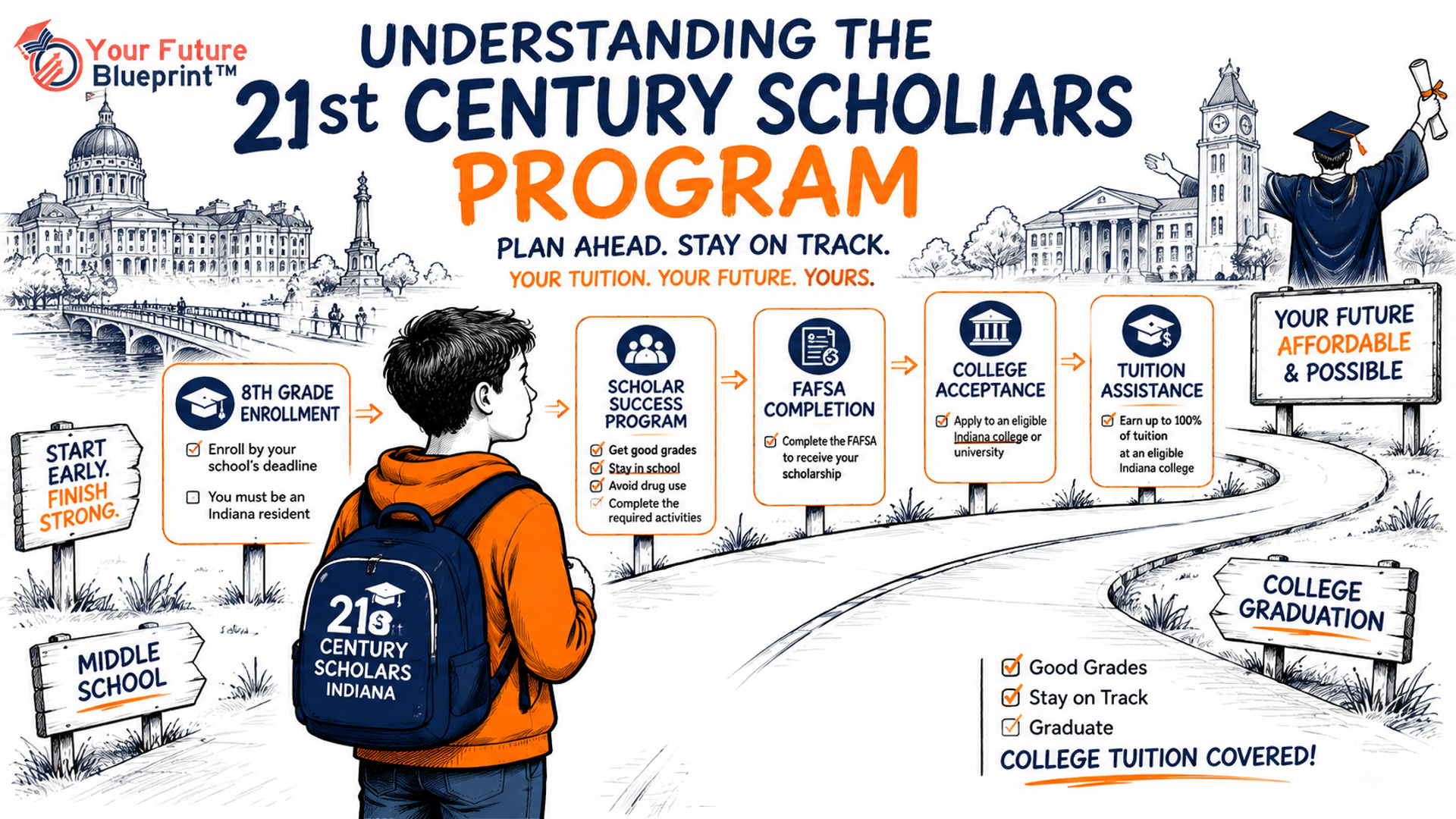
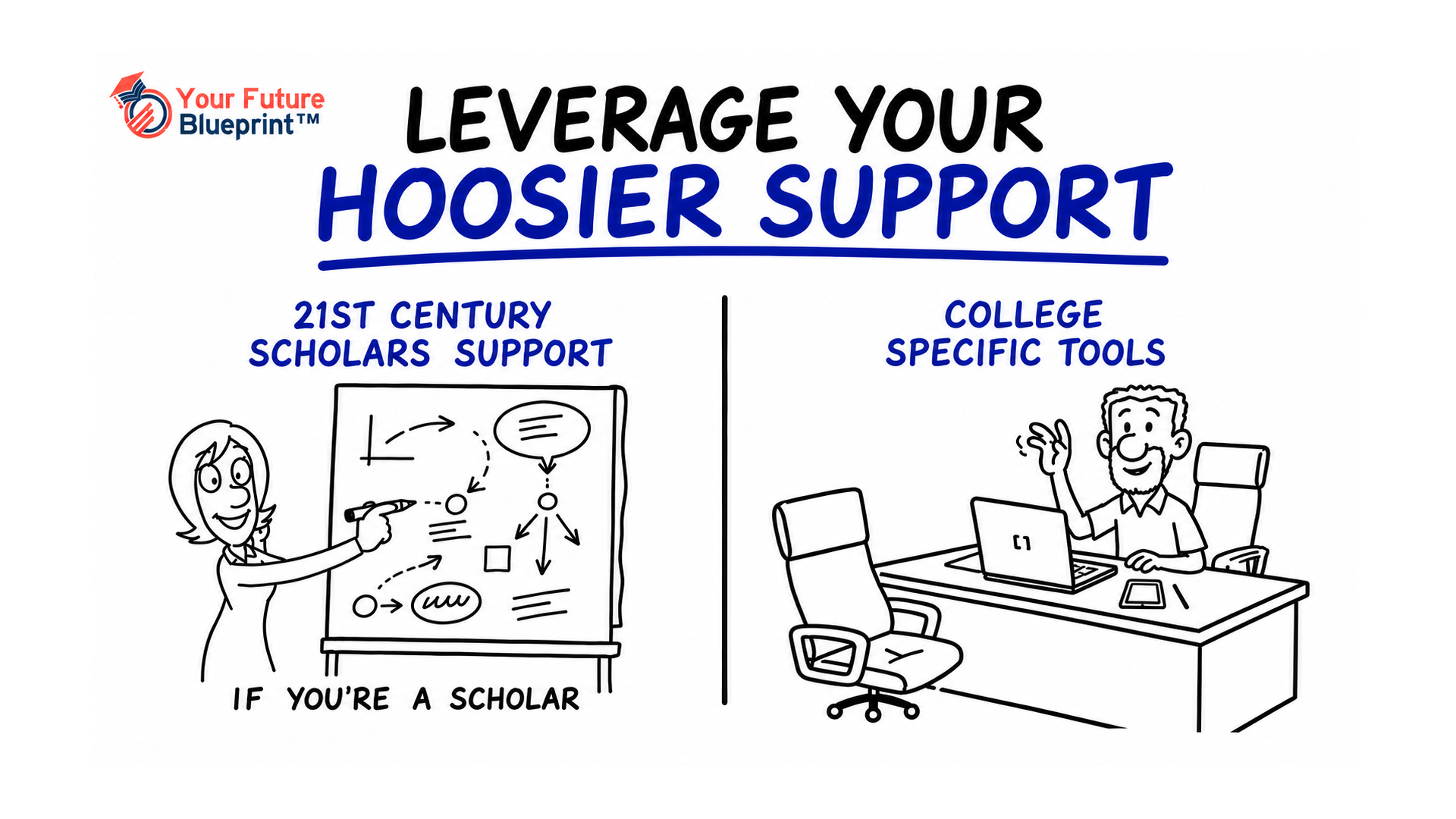
Understanding the 21st Century Scholars Program
The biggest mistake families make is learning about the 21st Century Scholars Program too late. If you know a current 7th or 8th grader in Indiana, verify eligibility and enrollment requirements as early as possible so important deadlines are not missed.

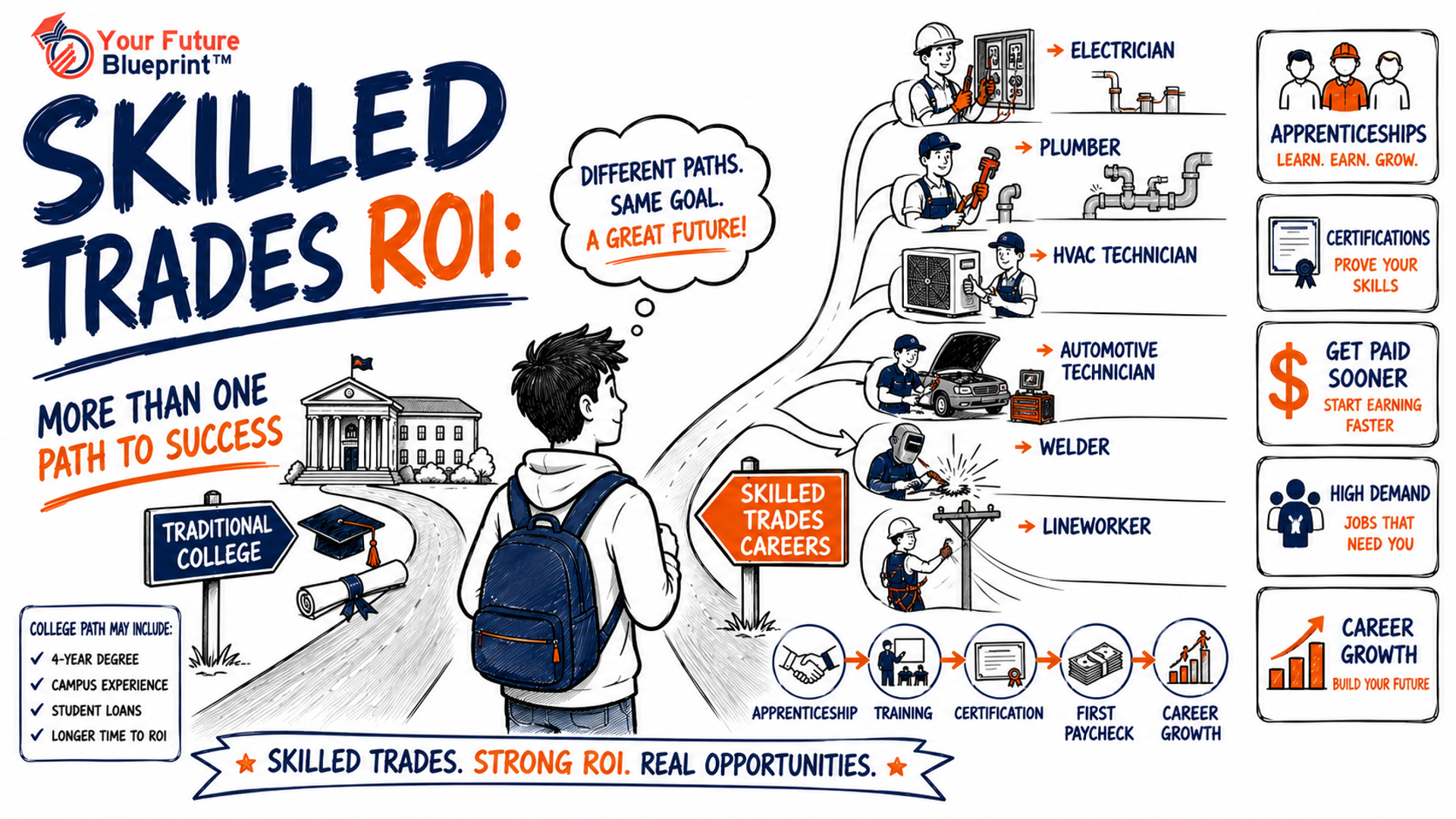
Skilled Trades ROI: Electrician, Plumber, Auto Tech, and More
When exploring skilled trades, focus on the daily work, training pathway, and long-term opportunities rather than just the job title. Many trades offer specialized certifications, leadership positions, business ownership opportunities, and advanced technical roles that can significantly expand career options over time.
.png)
Application & Scholarship Timeline: Your Strategic Journey
Instead of focusing only on the final application deadline, work backward. Schedule essay drafts, recommendation requests, financial aid forms, and scholarship applications several weeks in advance to reduce stress and avoid last-minute problems.

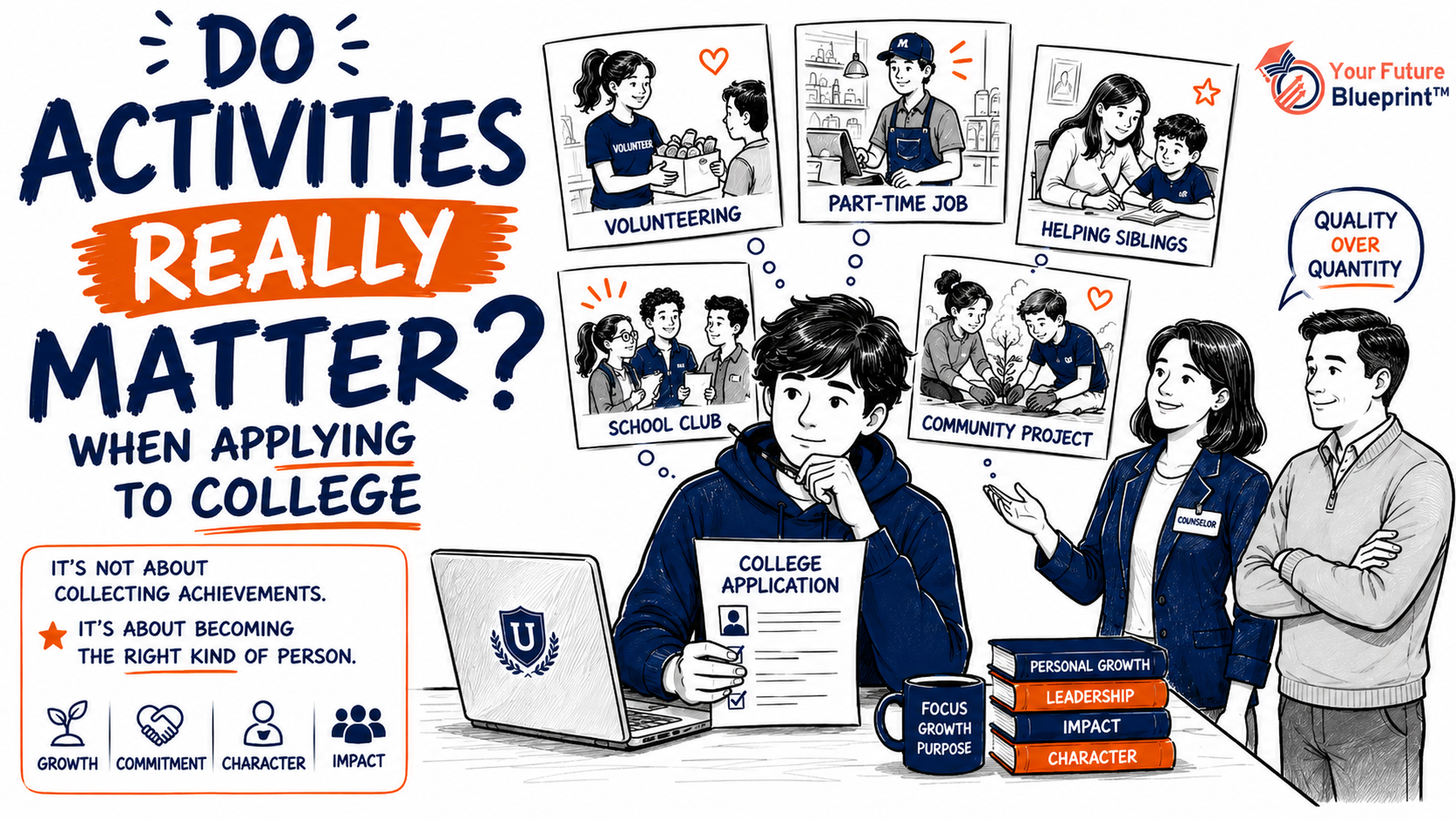
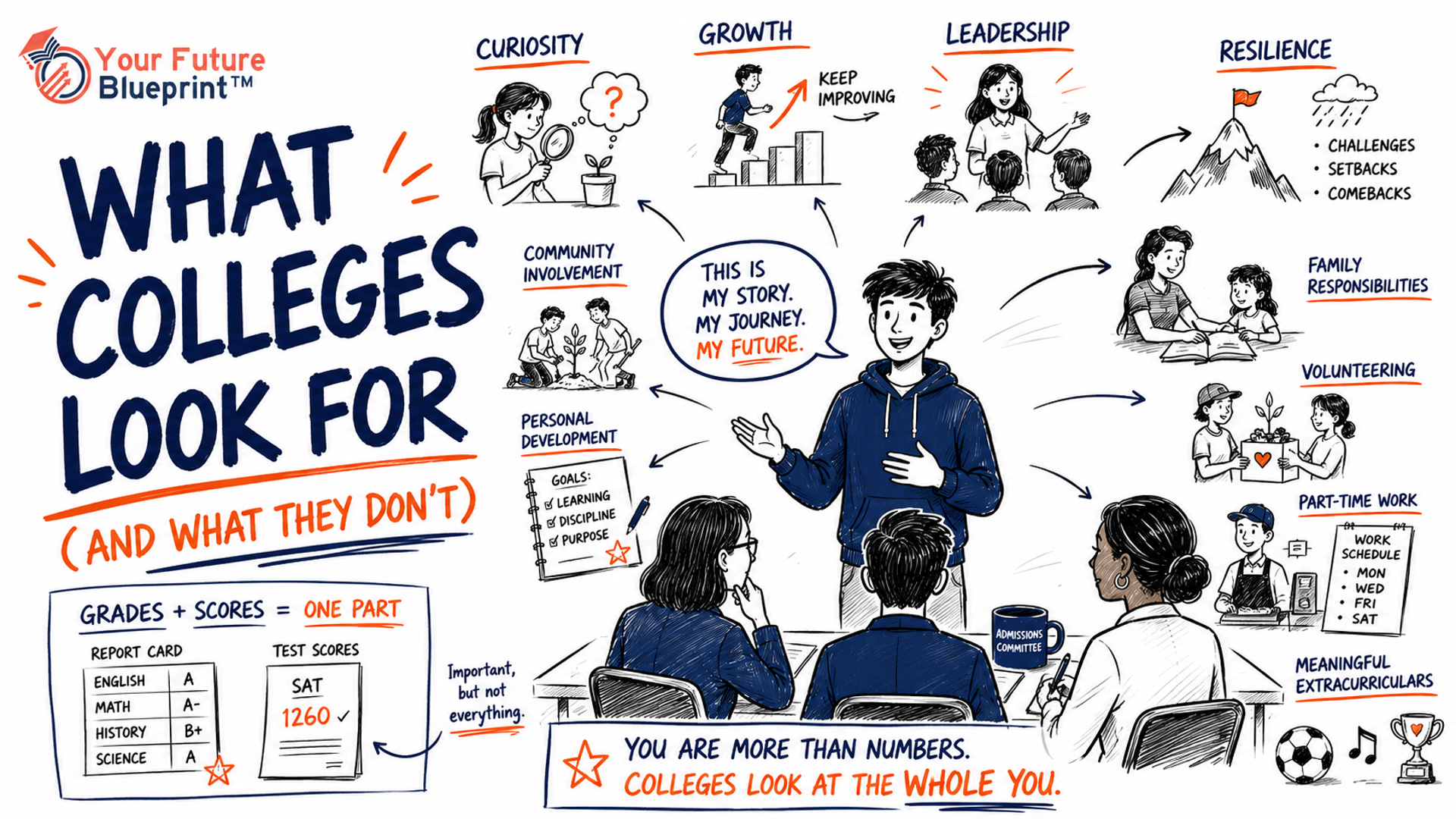
What Colleges Look For (And What They Don’t)
Students do not need perfect grades, perfect test scores, or perfect extracurricular records. Consistent effort, meaningful involvement, and authentic personal growth often create a stronger application than trying to build a flawless résumé.
.png)
Early Decision vs. Early Action: What’s the Real Difference?
Before choosing Early Decision or Early Action, ask what you are agreeing to. Early Decision usually means commitment. Early Action usually means flexibility. The best strategy is the one that fits your goals, finances, and readiness.
.png)
Community College to Career: Why It Works
Before starting a community college program, create a clear academic and career plan. Verify transfer requirements, meet with advisors regularly, and understand how each course supports your long-term goals.
.png)
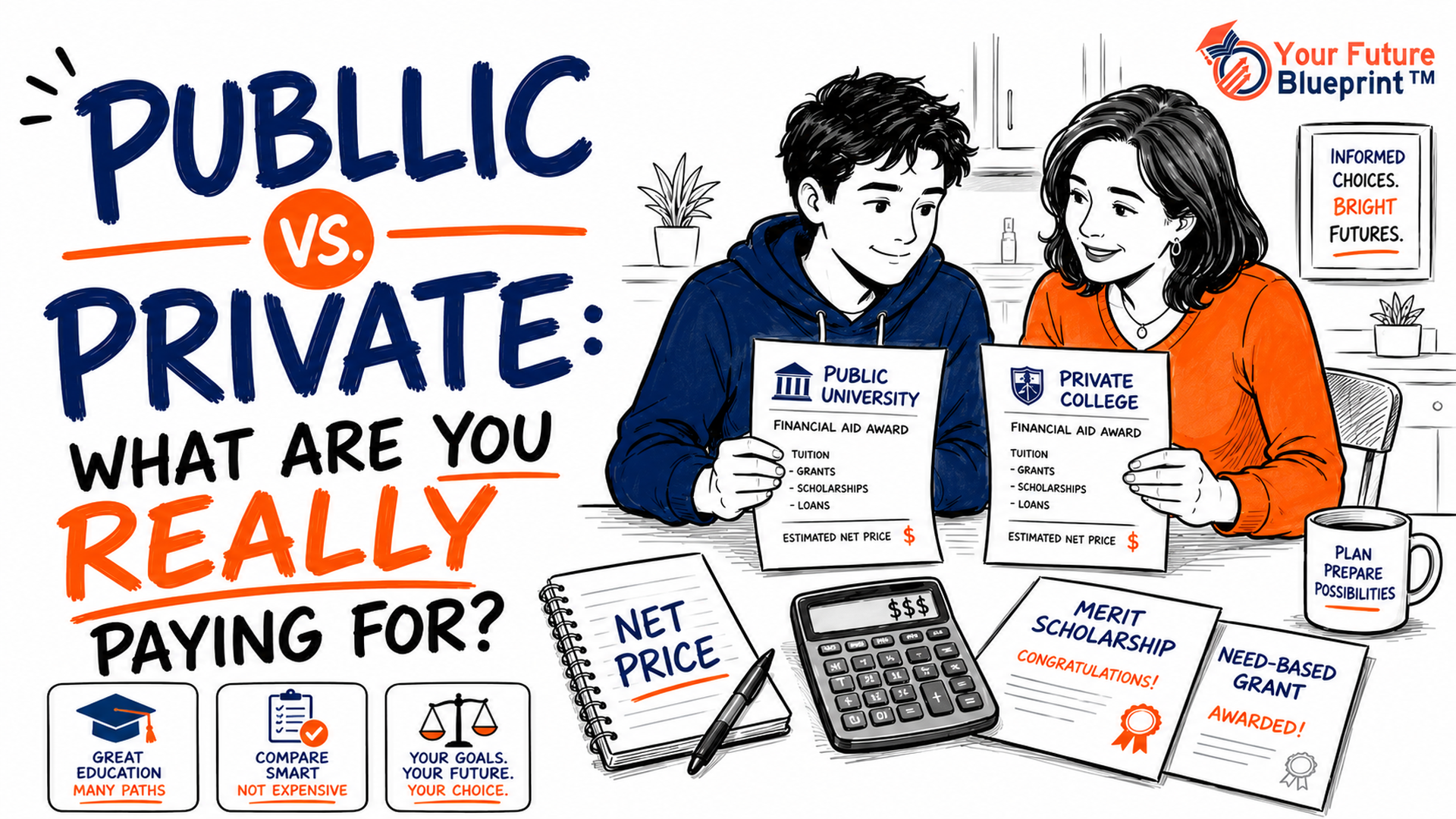
ROI: Real Costs, Real Careers: How to Evaluate the True Value of College and Career Paths
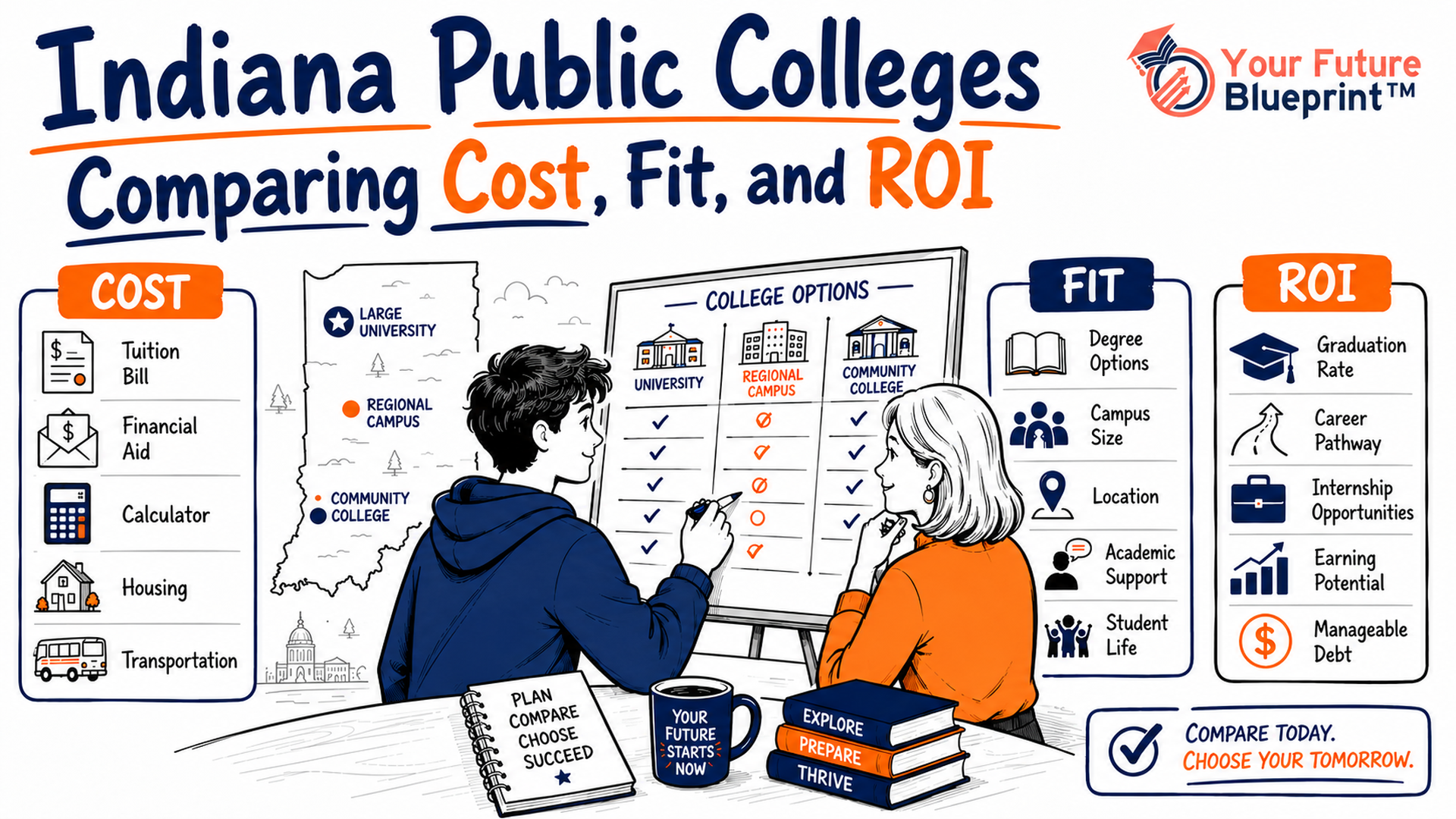
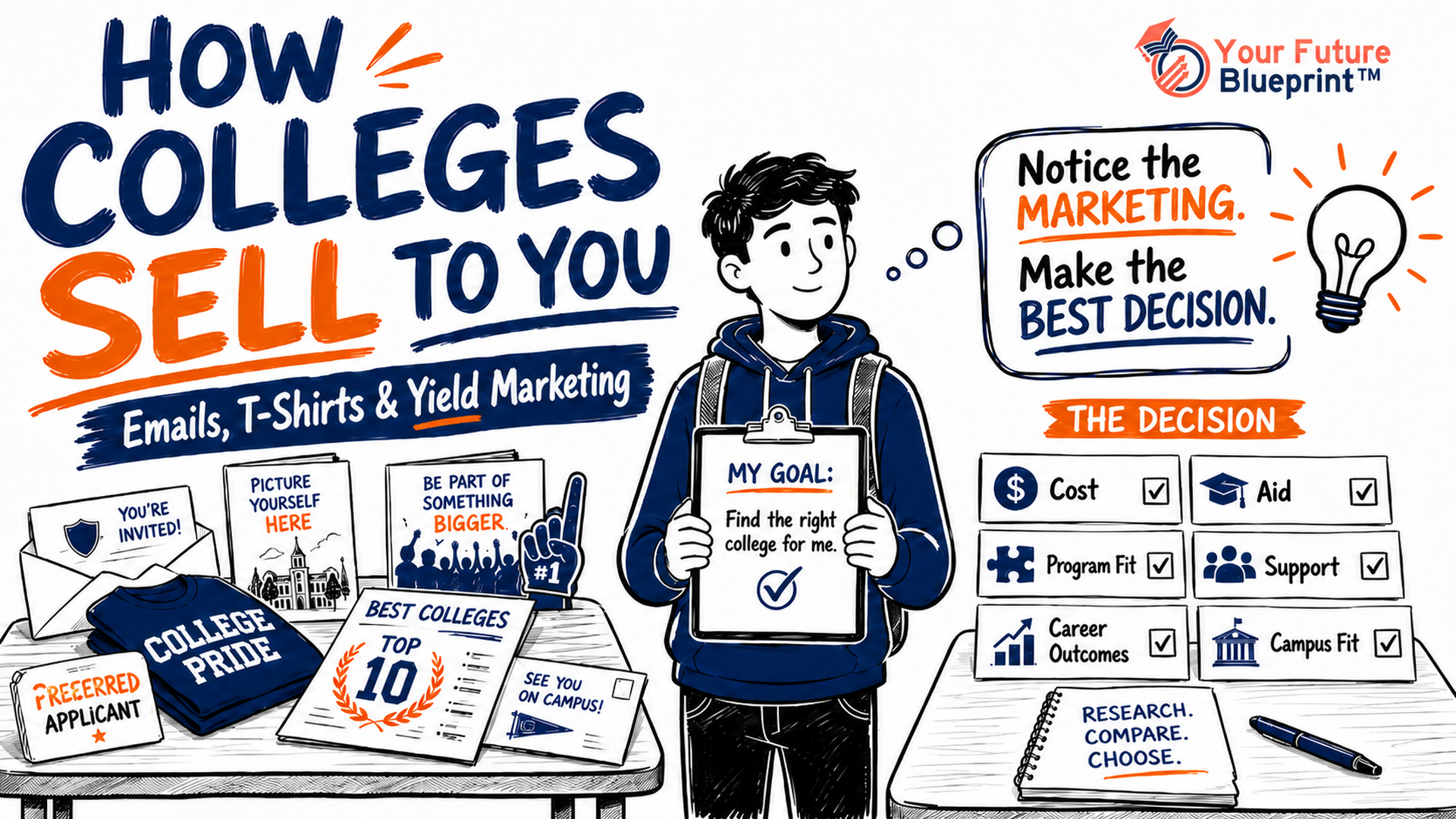
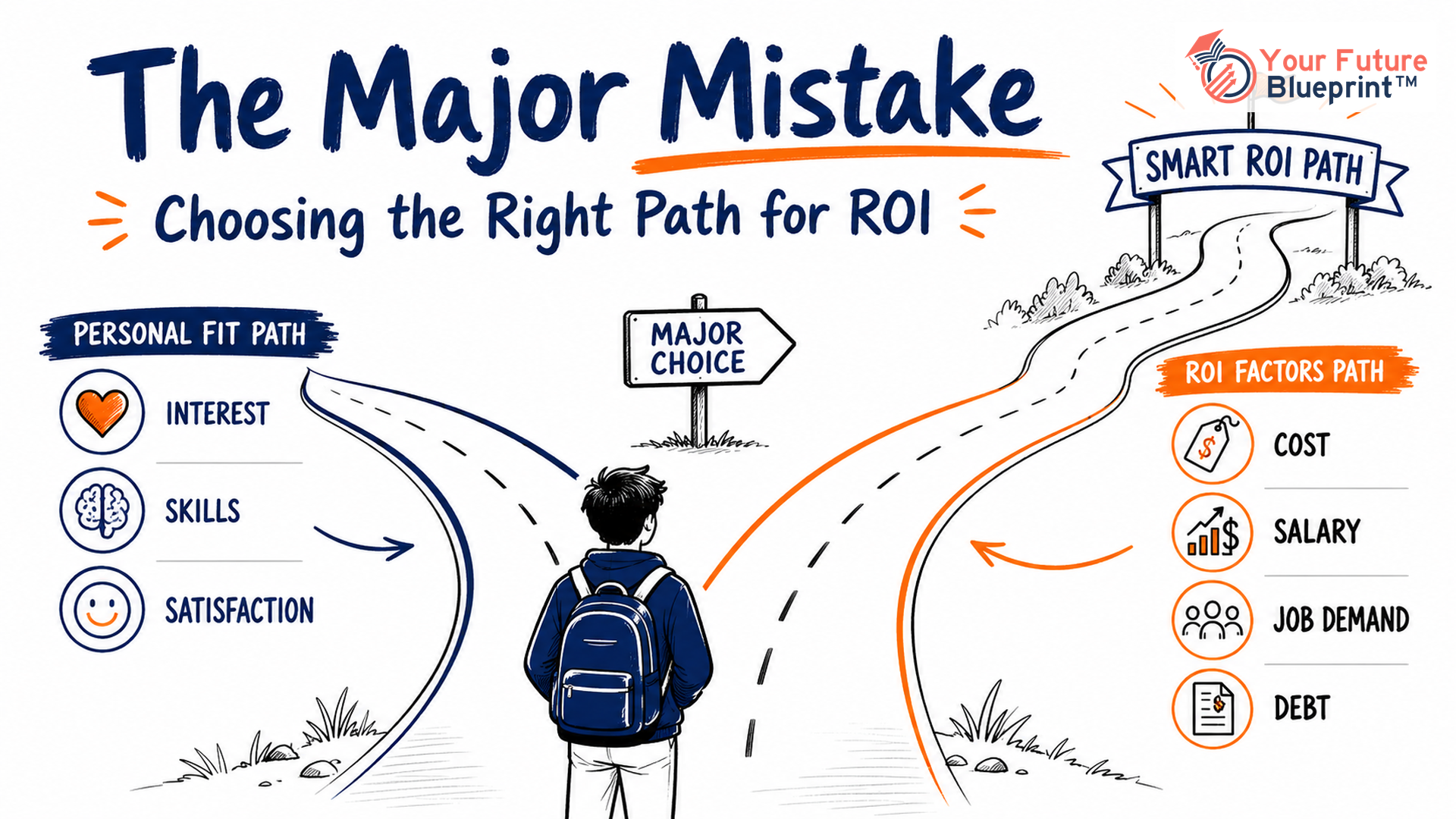
Do not focus only on college prestige, rankings, or marketing. Compare actual costs, expected debt, graduation outcomes, and career opportunities to understand long-term value.
.png)
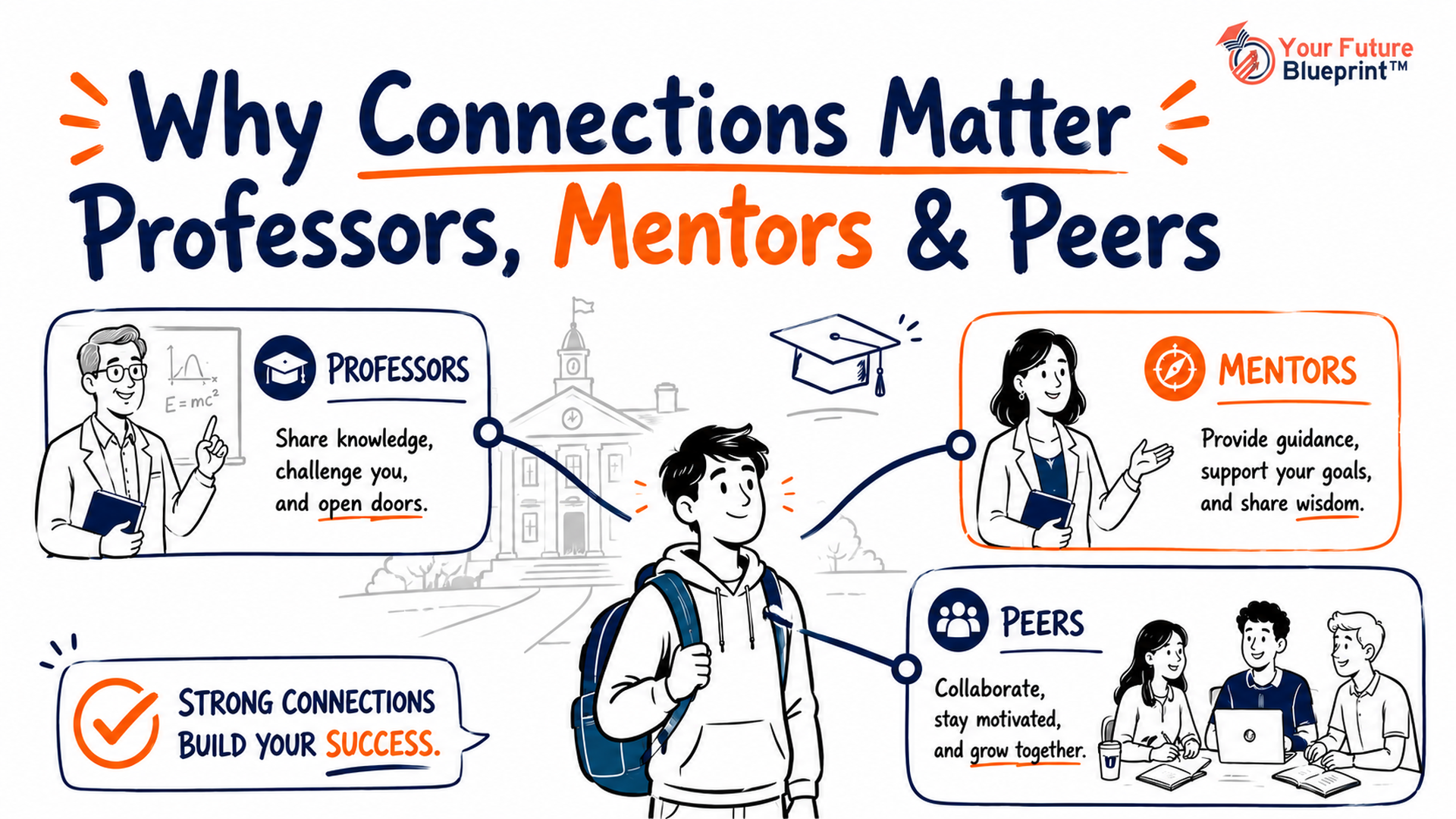
Talking to Professors & Asking for Help
Introduce yourself to professors early in the semester. Building connections before challenges arise makes it easier to ask questions, seek guidance, and access support when you need it.
.png)
If No One at Home Went to College: Here's What You Can Do
Students who ask questions early often solve small challenges before they become bigger problems. Advisors, professors, tutors, counselors, and support staff expect students to seek guidance. Reaching out is a sign of engagement, not weakness.

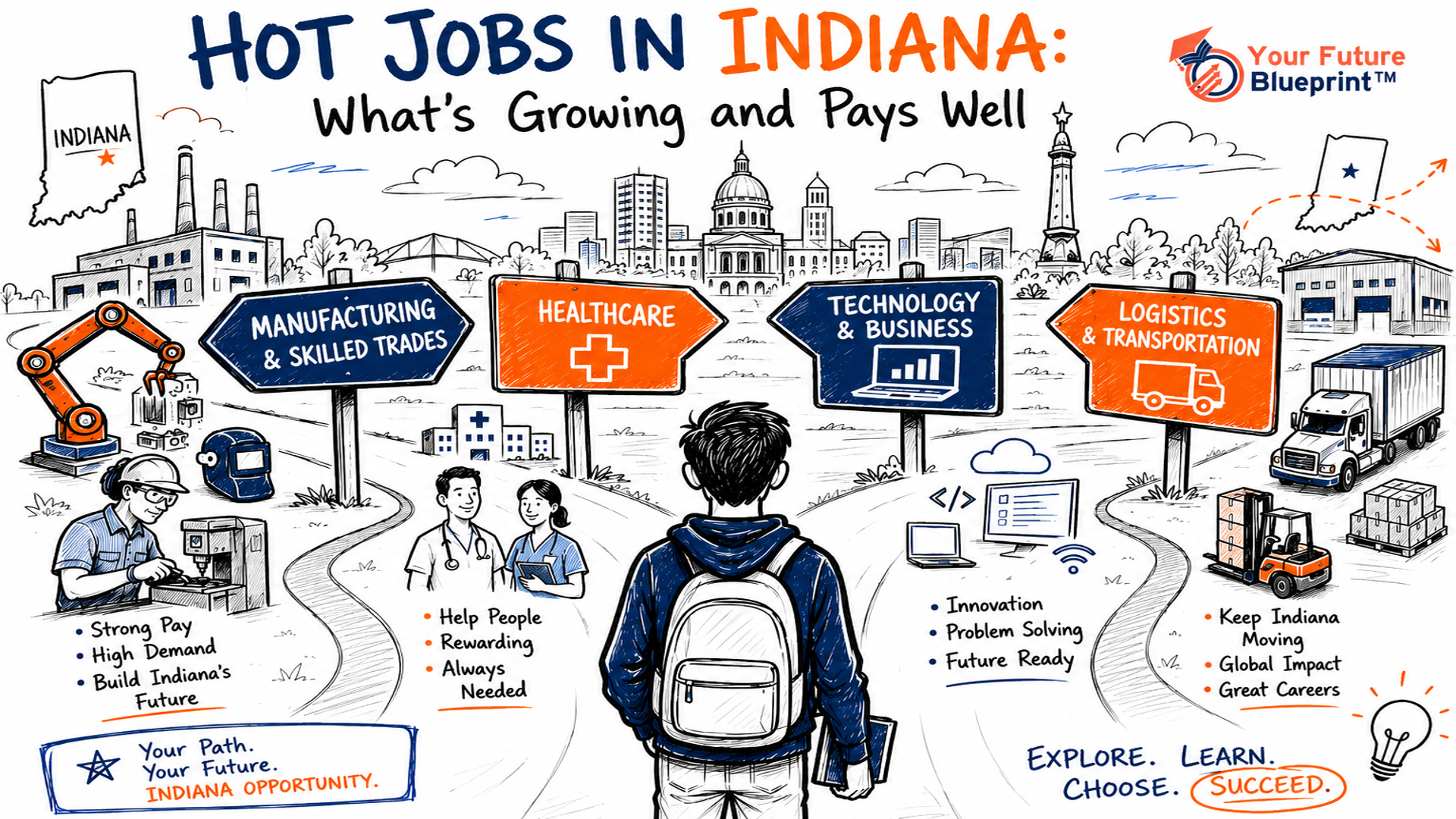
Regional Career Centers & CTE Pathways in Indiana
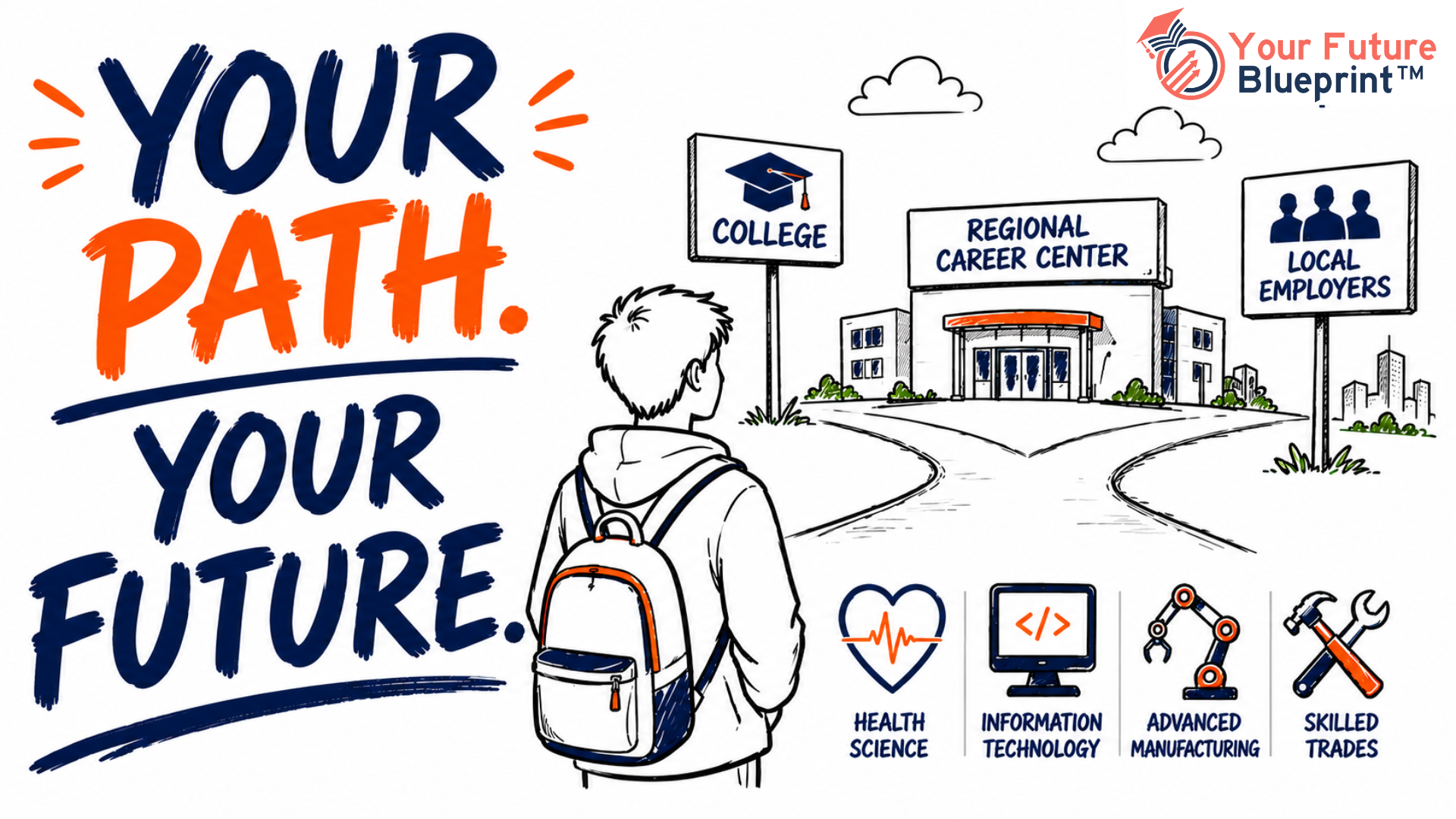
You do not need to have your entire future planned out to benefit from a CTE pathway. Exploring career interests during high school can help students make more informed decisions about college, training programs, and future employment opportunities.
%20(1).png)
We Saved for College. It Was Still Stressful.
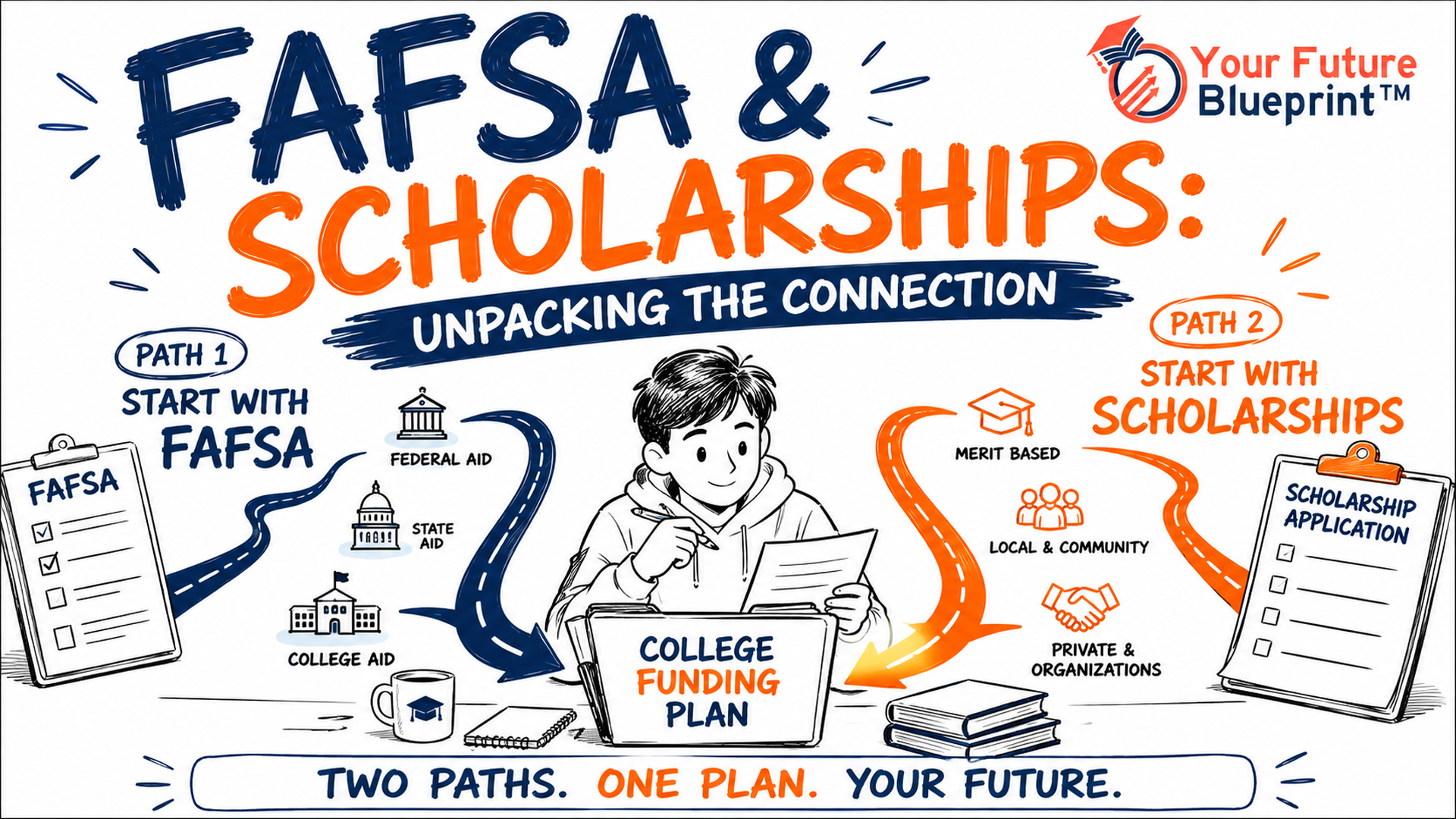
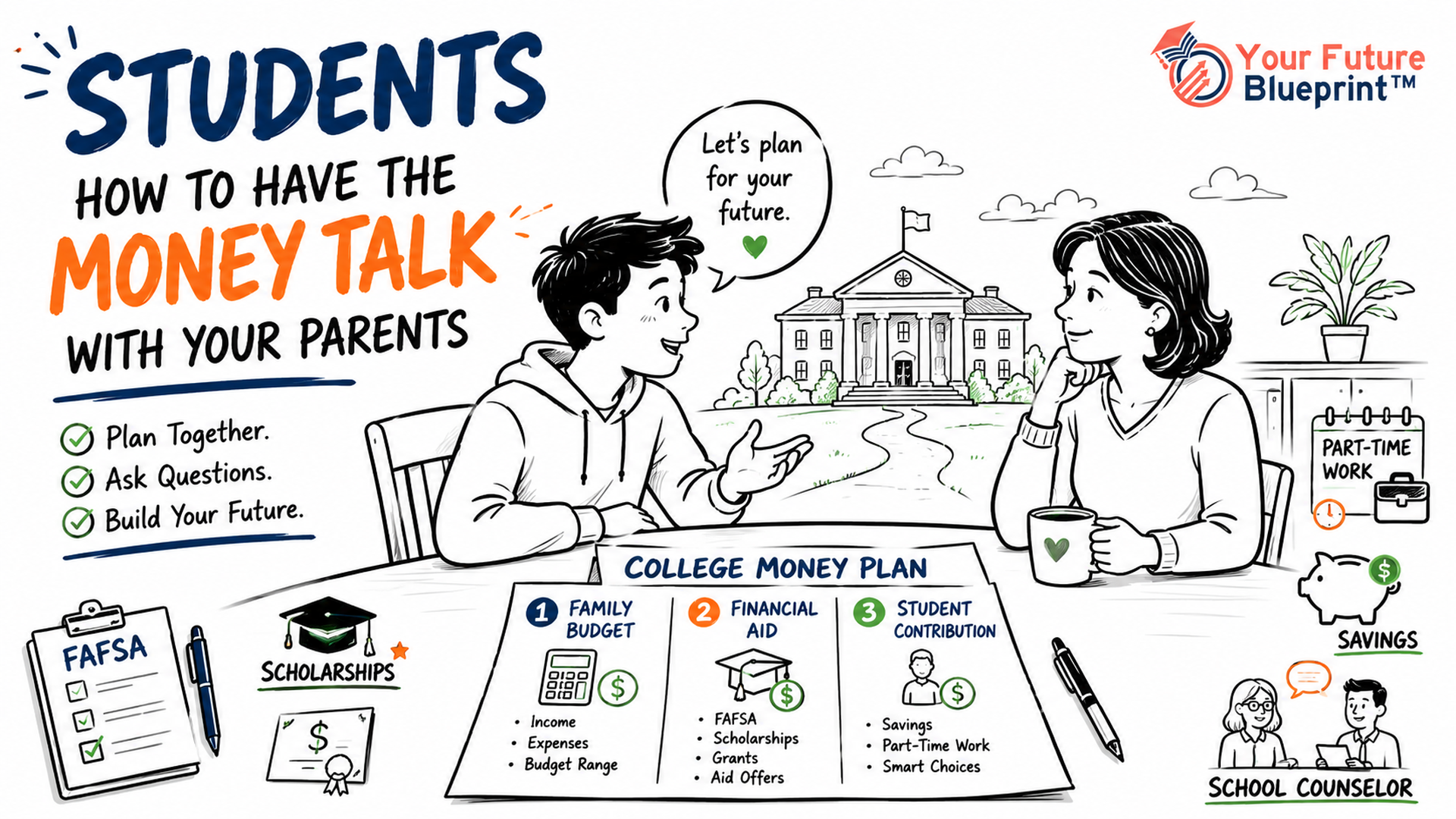
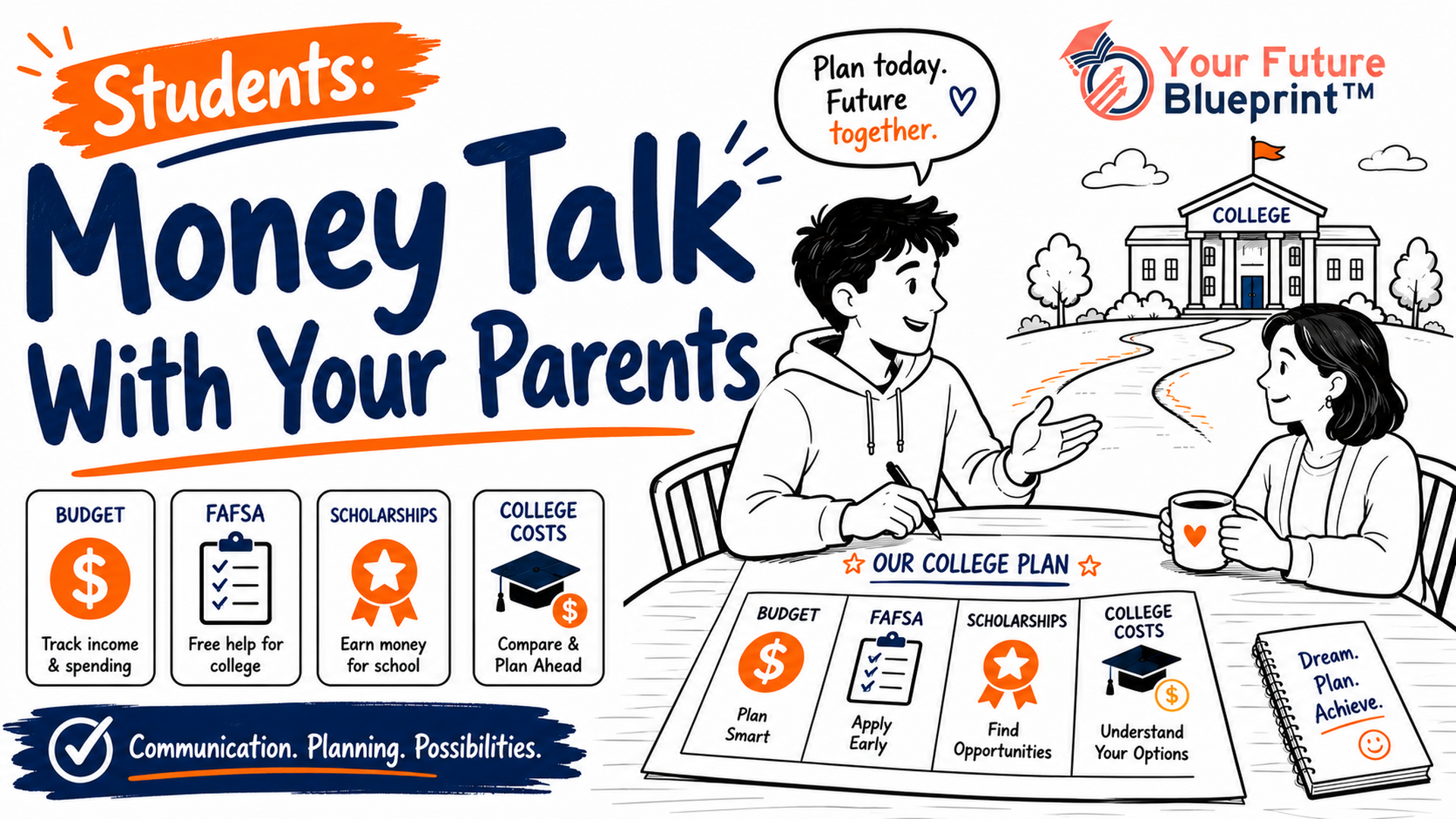
Talk about college costs before a dream school becomes the only school that feels possible. Start with what your family can afford, how much debt feels reasonable, what scholarships could change the picture, and which backup options still support the student’s goals.

How to Build a Smart Senior Year Schedule
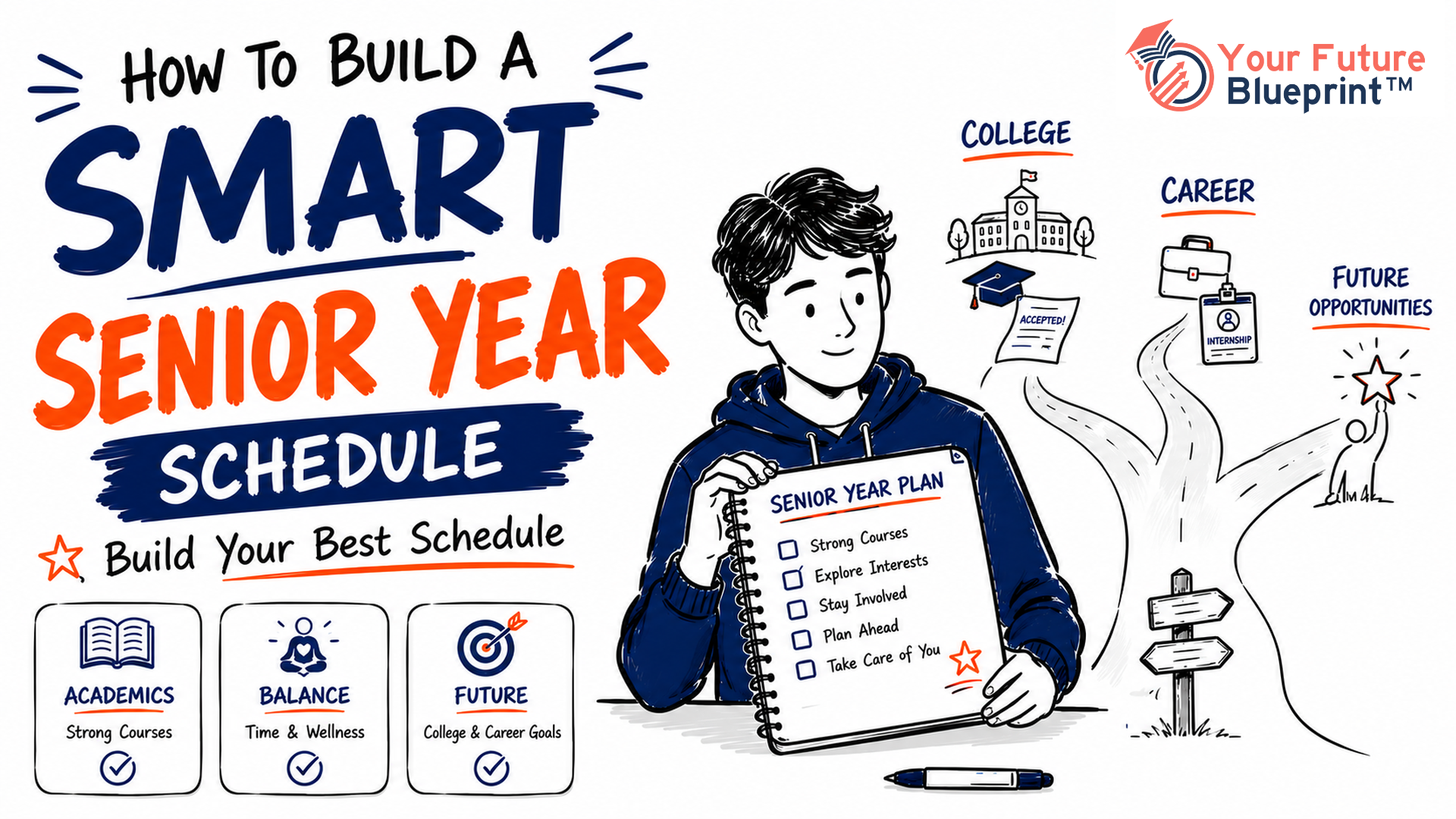
A course schedule should help you grow, meet your goals, and maintain your well-being. The best schedules challenge students appropriately while leaving enough room for applications, activities, family responsibilities, and personal time.

Why Students Drop Out of College - And How to Avoid It
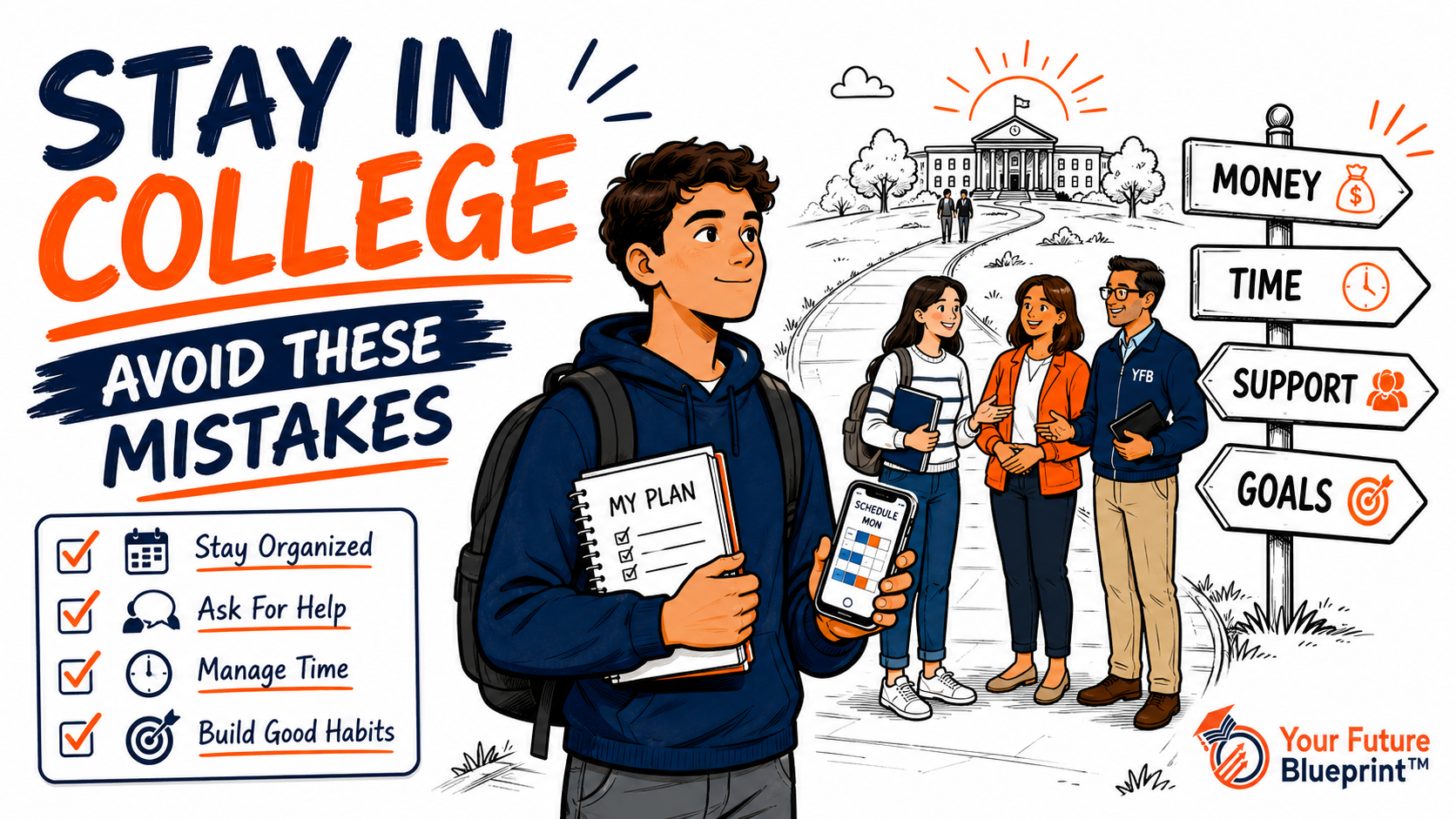
A missed assignment, unpaid bill, or confusing class is usually easier to fix early. Tell a professor, advisor, financial aid office, counselor, parent, mentor, or trusted adult before the problem grows.

College Terms You Need to Know — But No One Explains
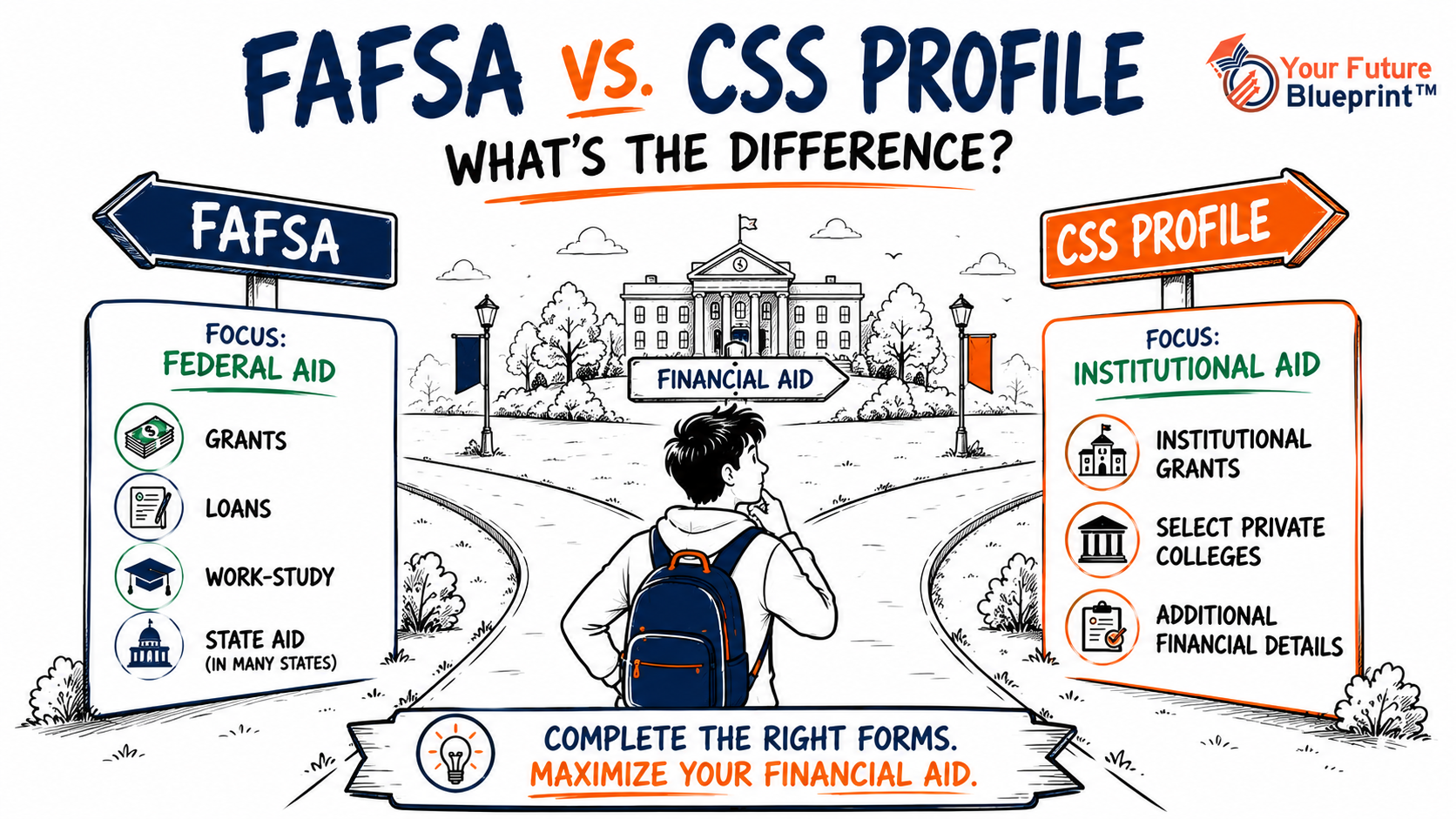
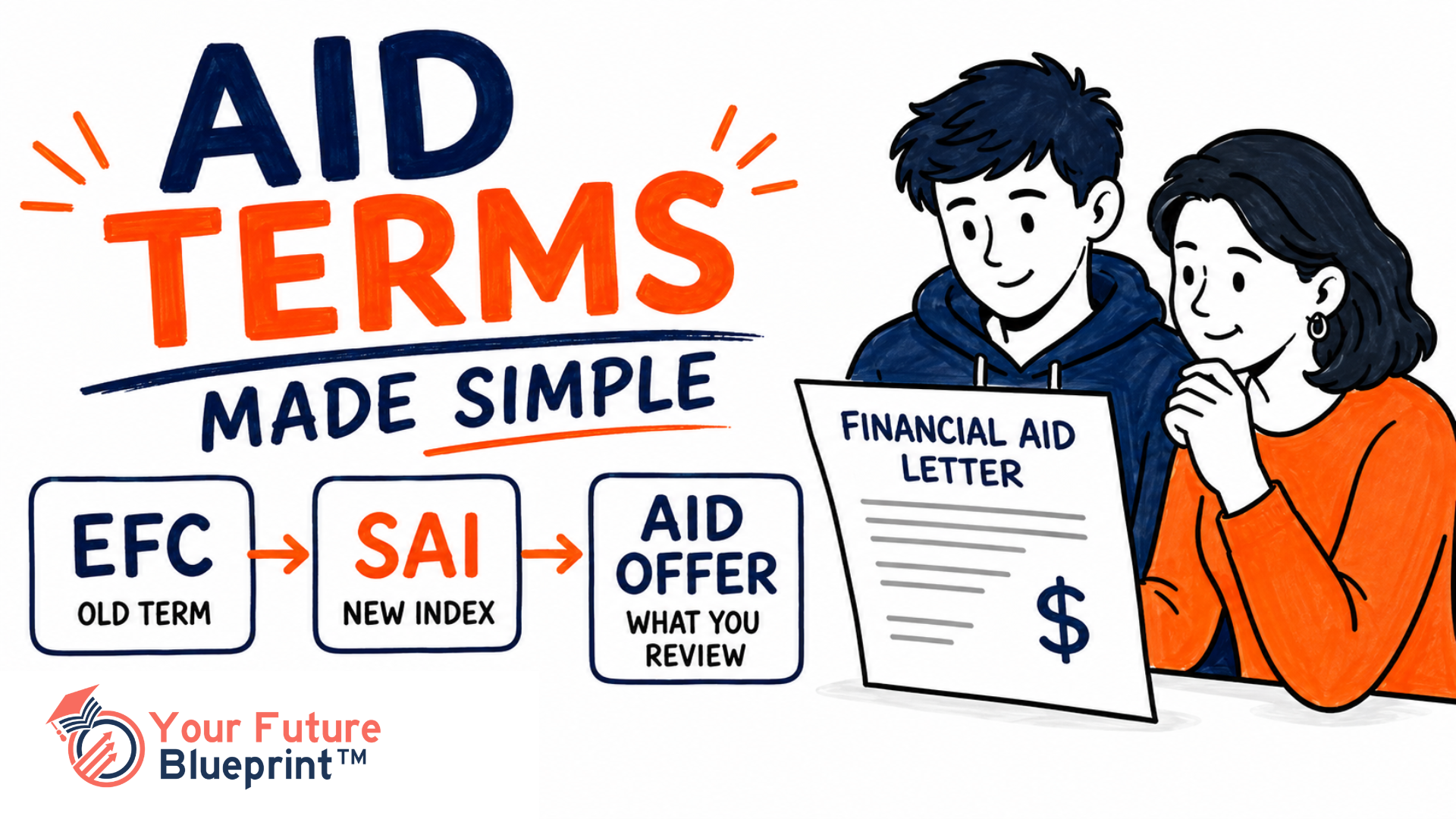
Students do not need to learn every college term at once. Start with the terms that affect cost, applications, schedules, and aid offers: FAFSA, SAI, cost of attendance, grants, scholarships, loans, credit hours, major, and minor.

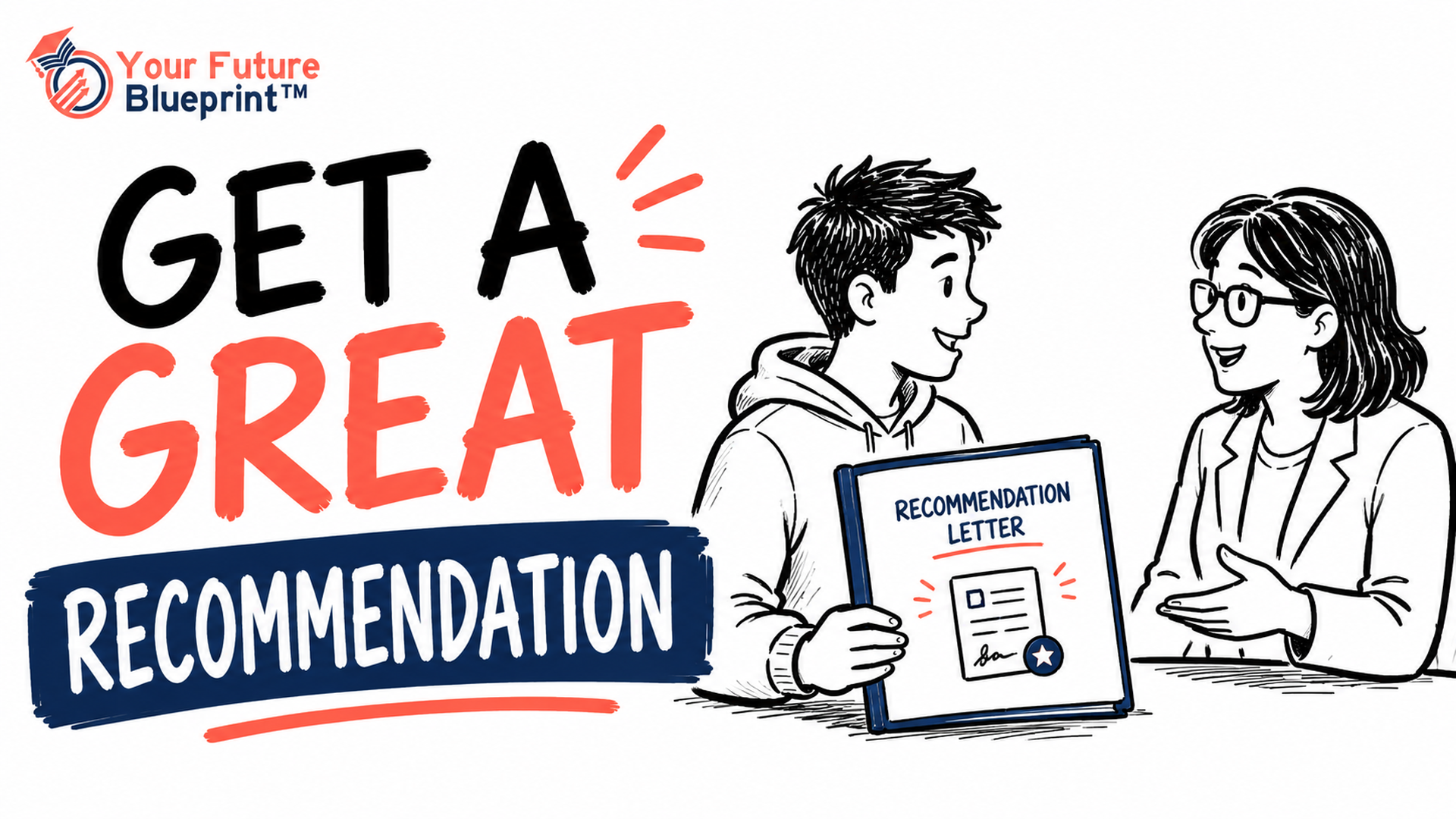
Getting Great Letters of Recommendation
Focus on relationships, not prestige. A teacher or mentor who can provide detailed examples of your character, leadership, and growth is usually a better choice than someone with an impressive title who barely knows you.

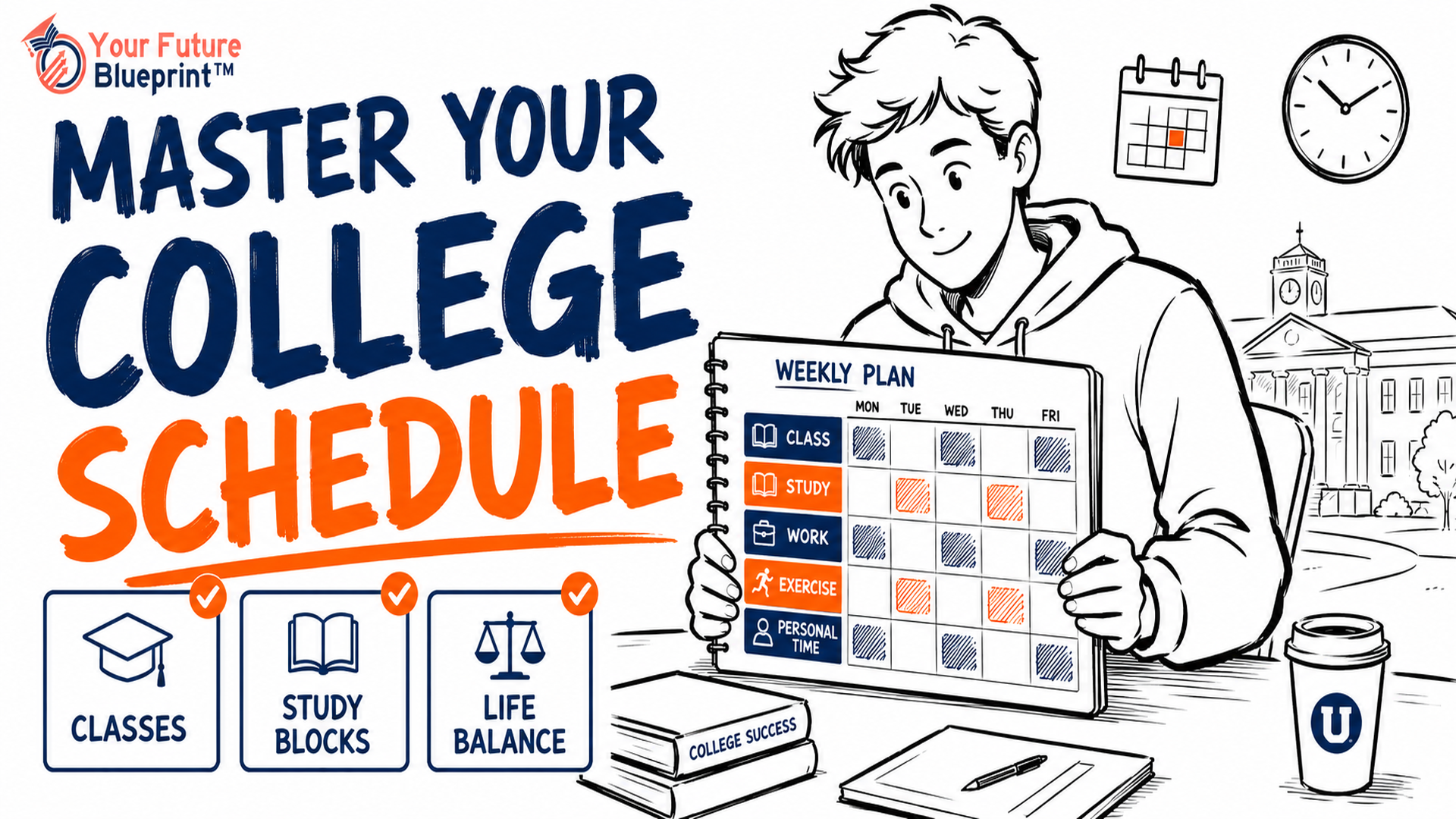
College Time Management 101: How to Balance Classes, Studying, and Life
Students who reserve recurring study blocks each week often find it easier to stay ahead of assignments and reduce last-minute stress.

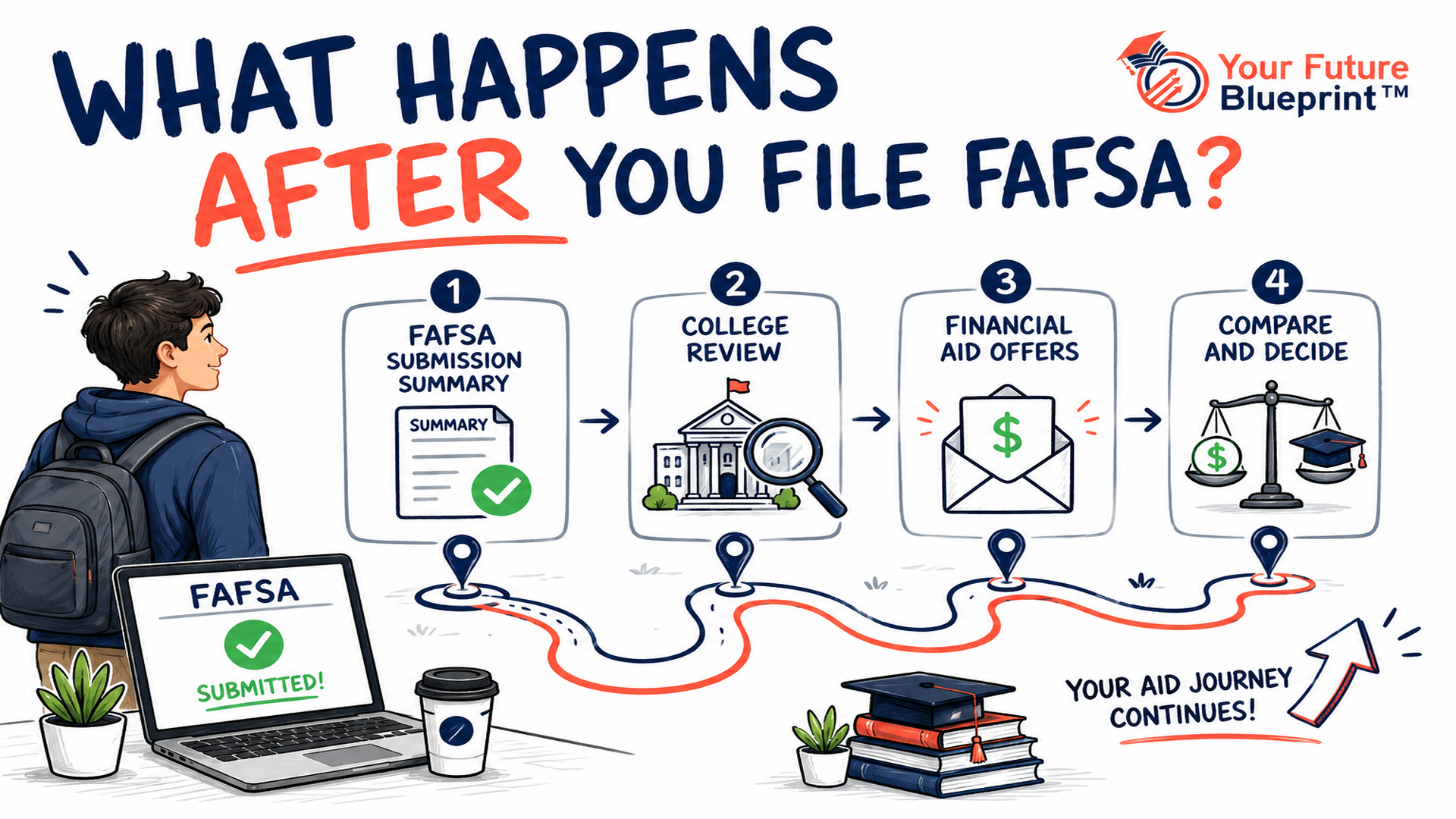
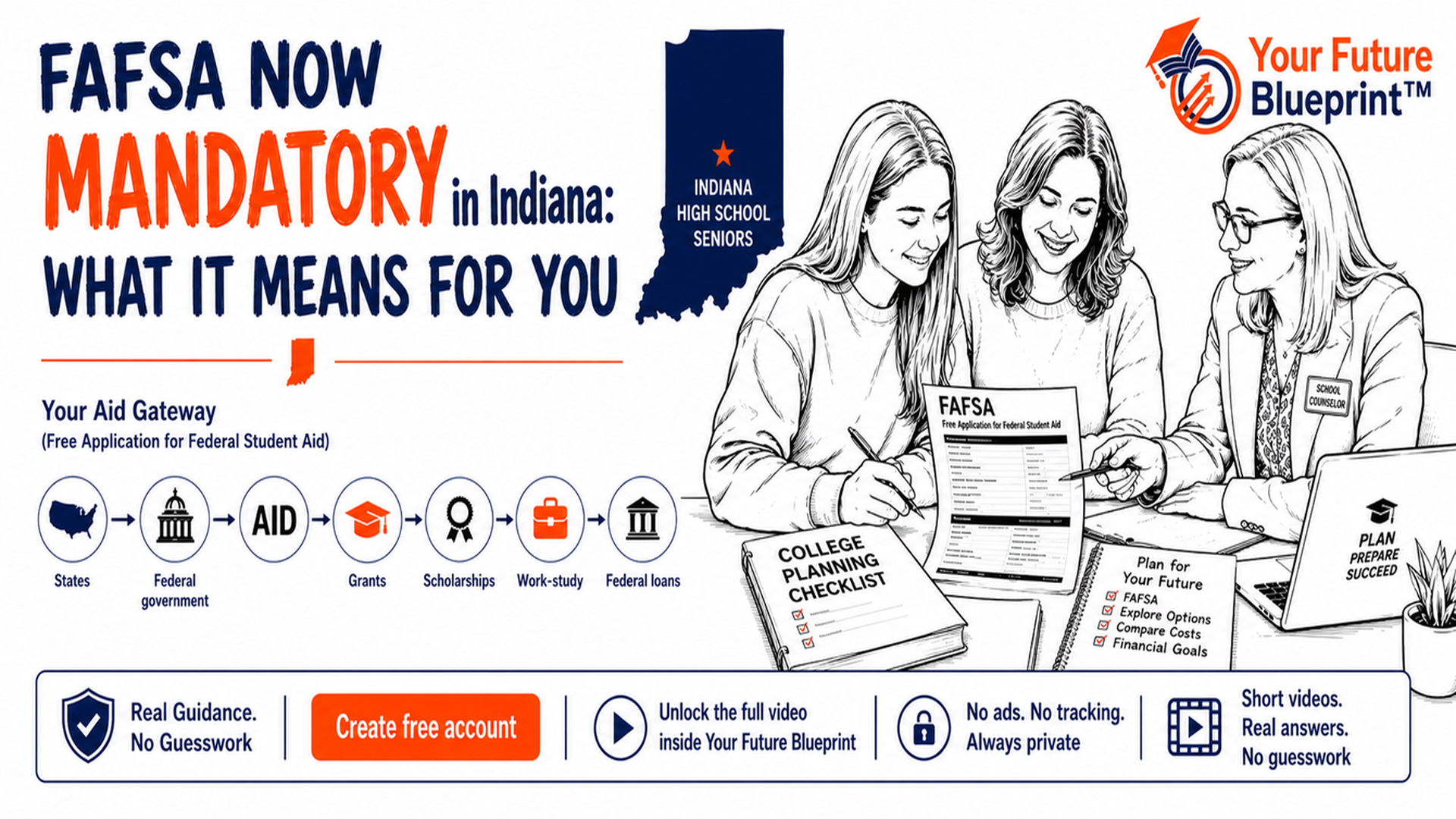
FAFSA Now Mandatory in Indiana: What It Means for You
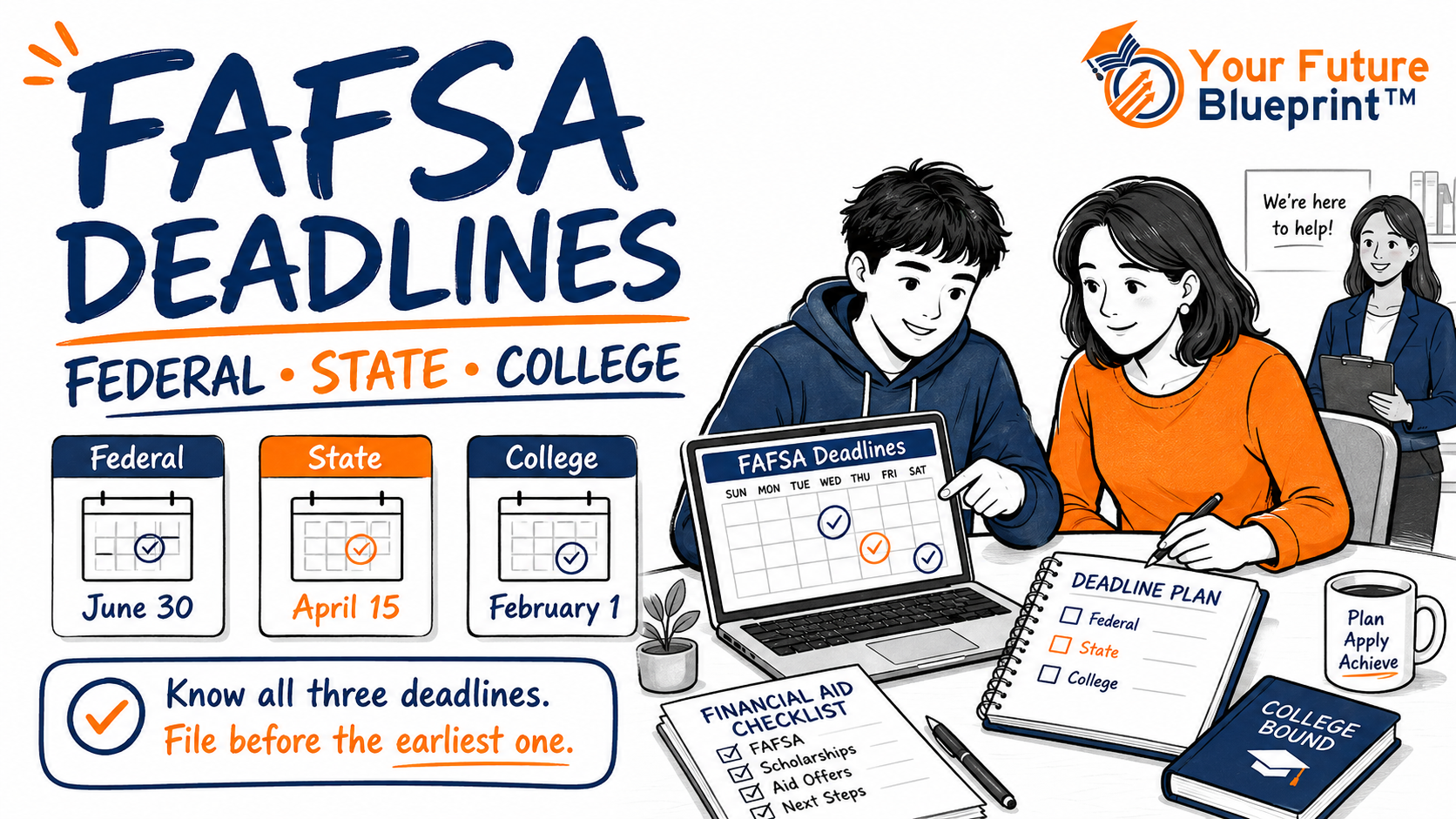
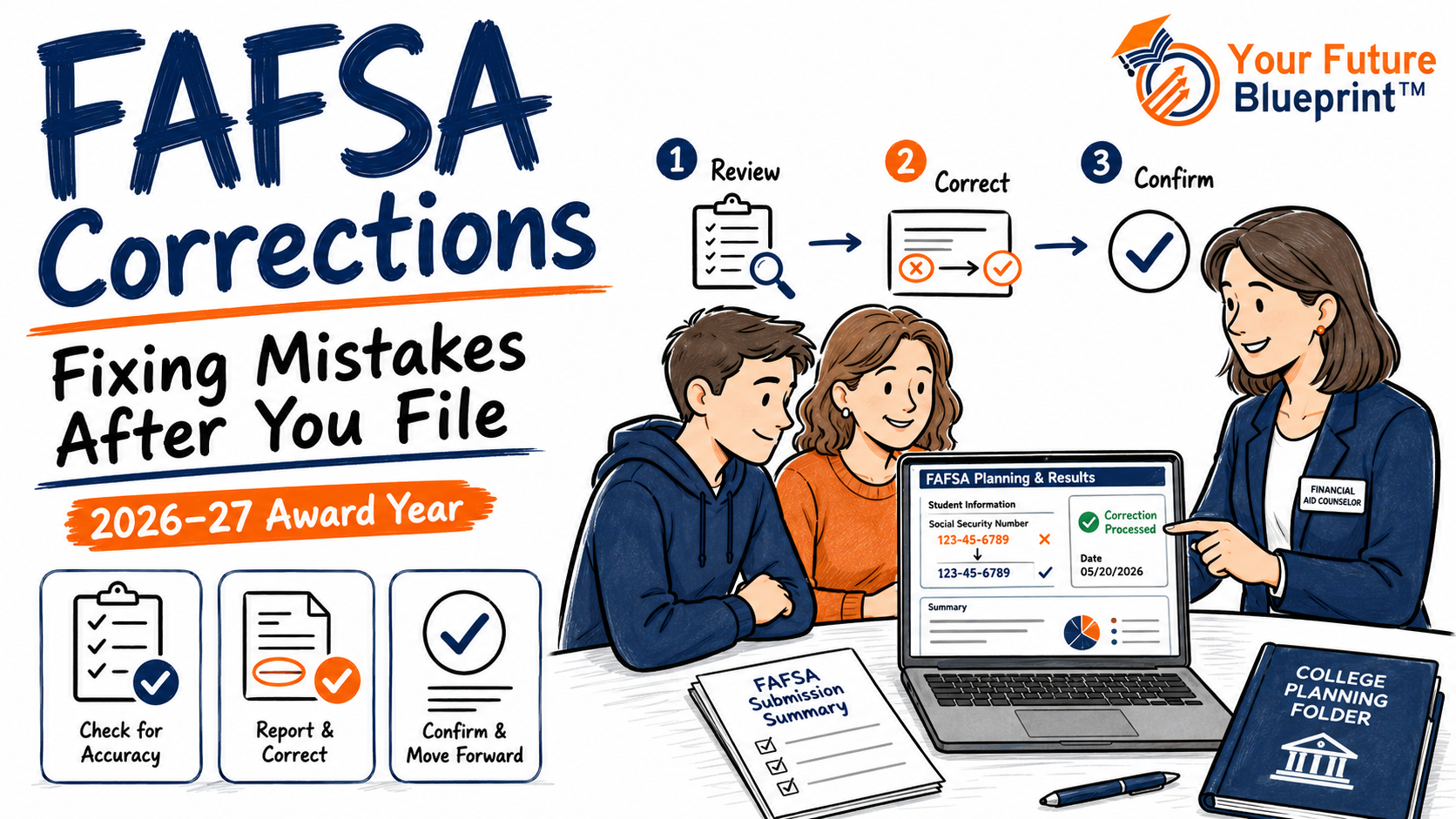
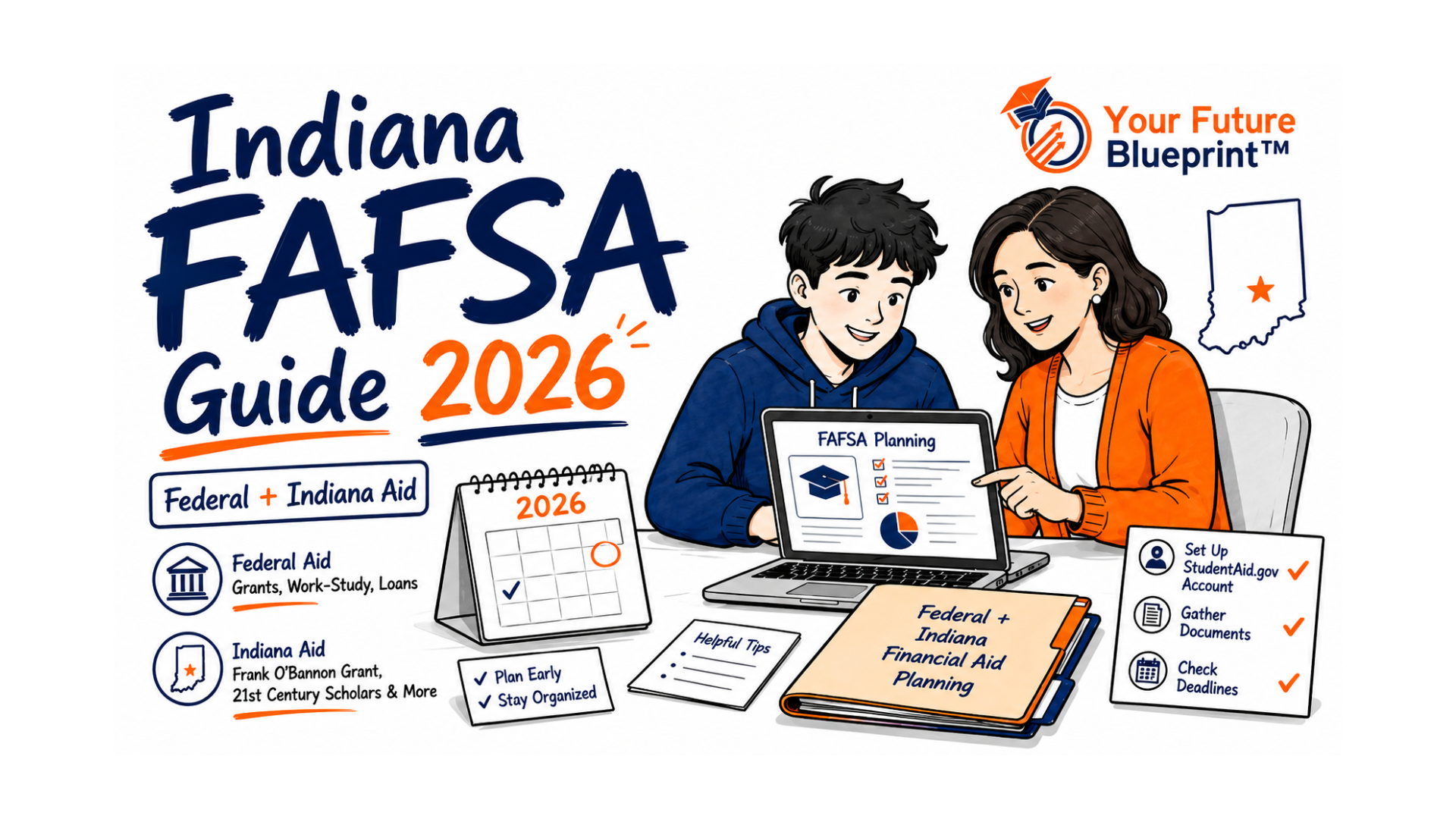
Students and families who prepare early often have a smoother FAFSA experience. Creating FSA IDs, gathering documents, and reviewing requirements ahead of time can help reduce stress and provide more time to resolve questions before important deadlines.

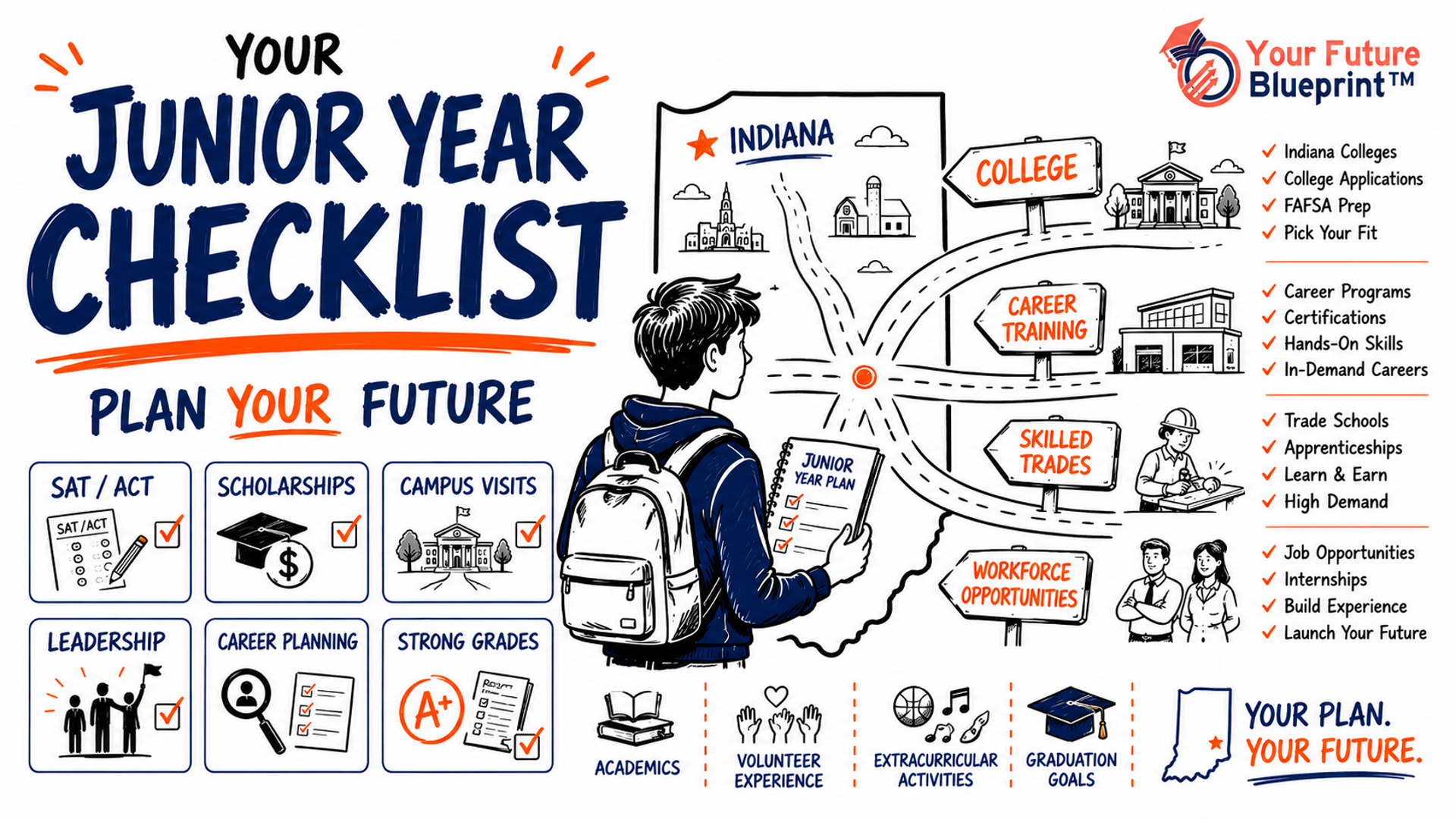
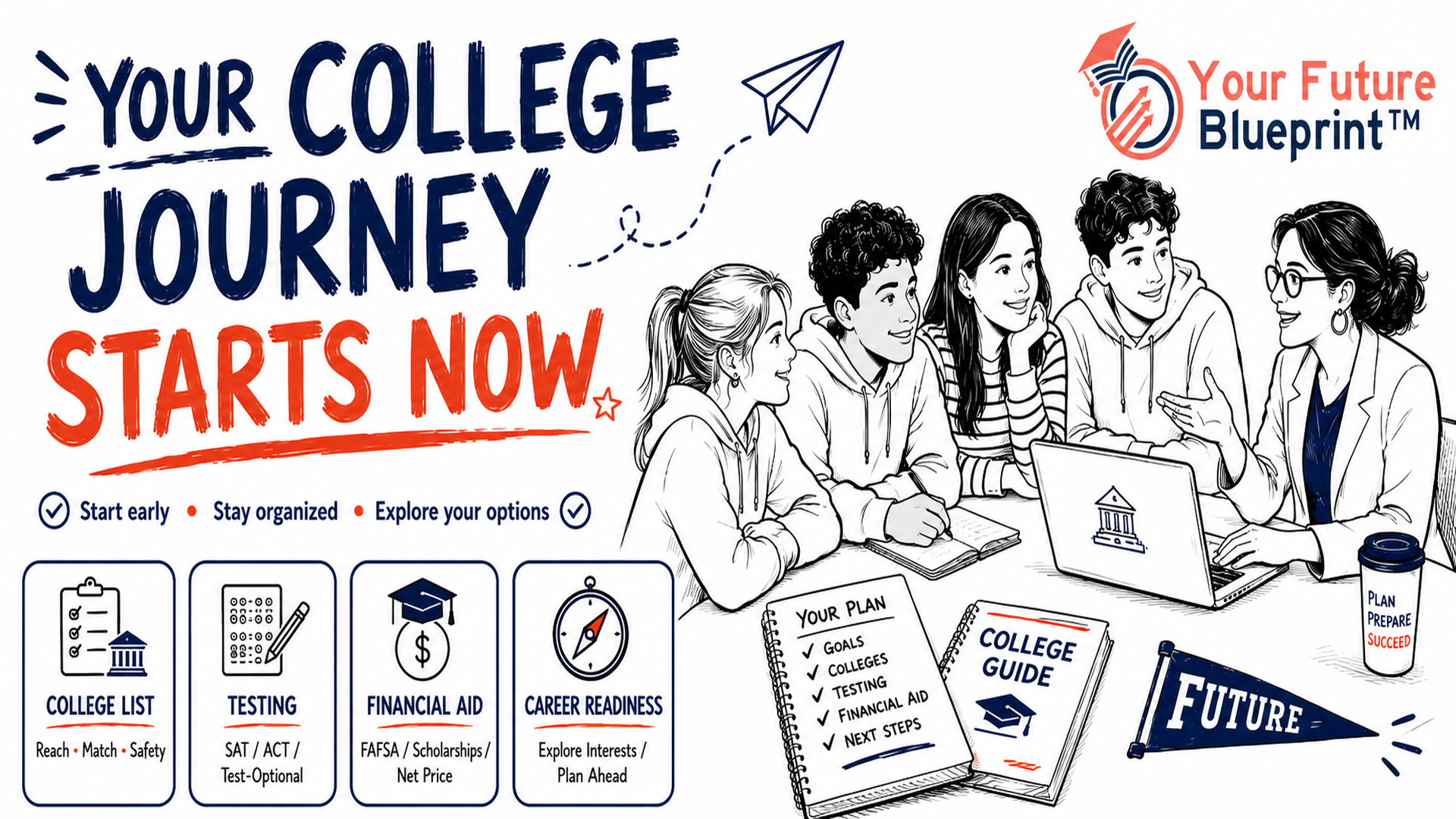
Your College Journey Starts Now
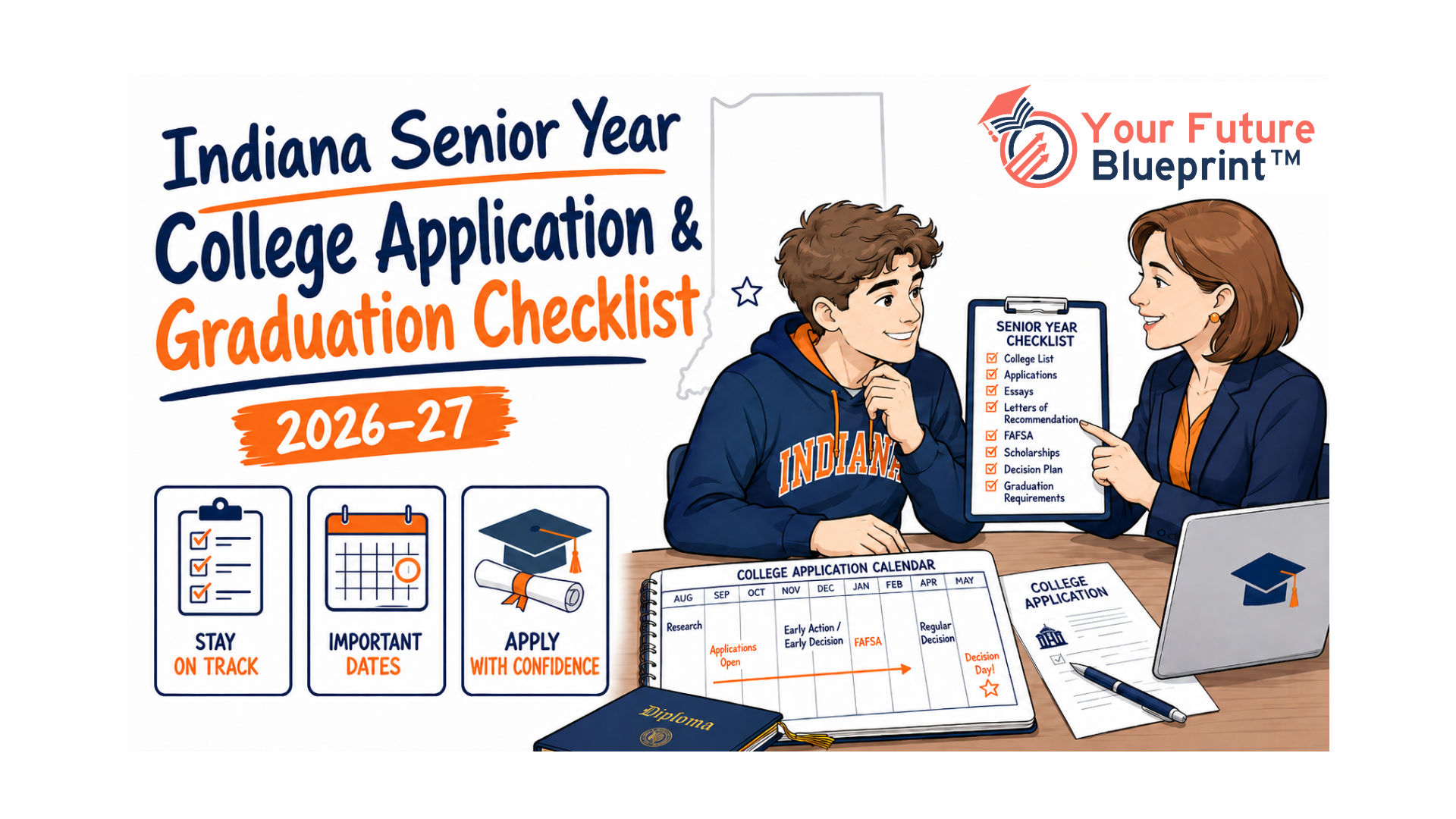
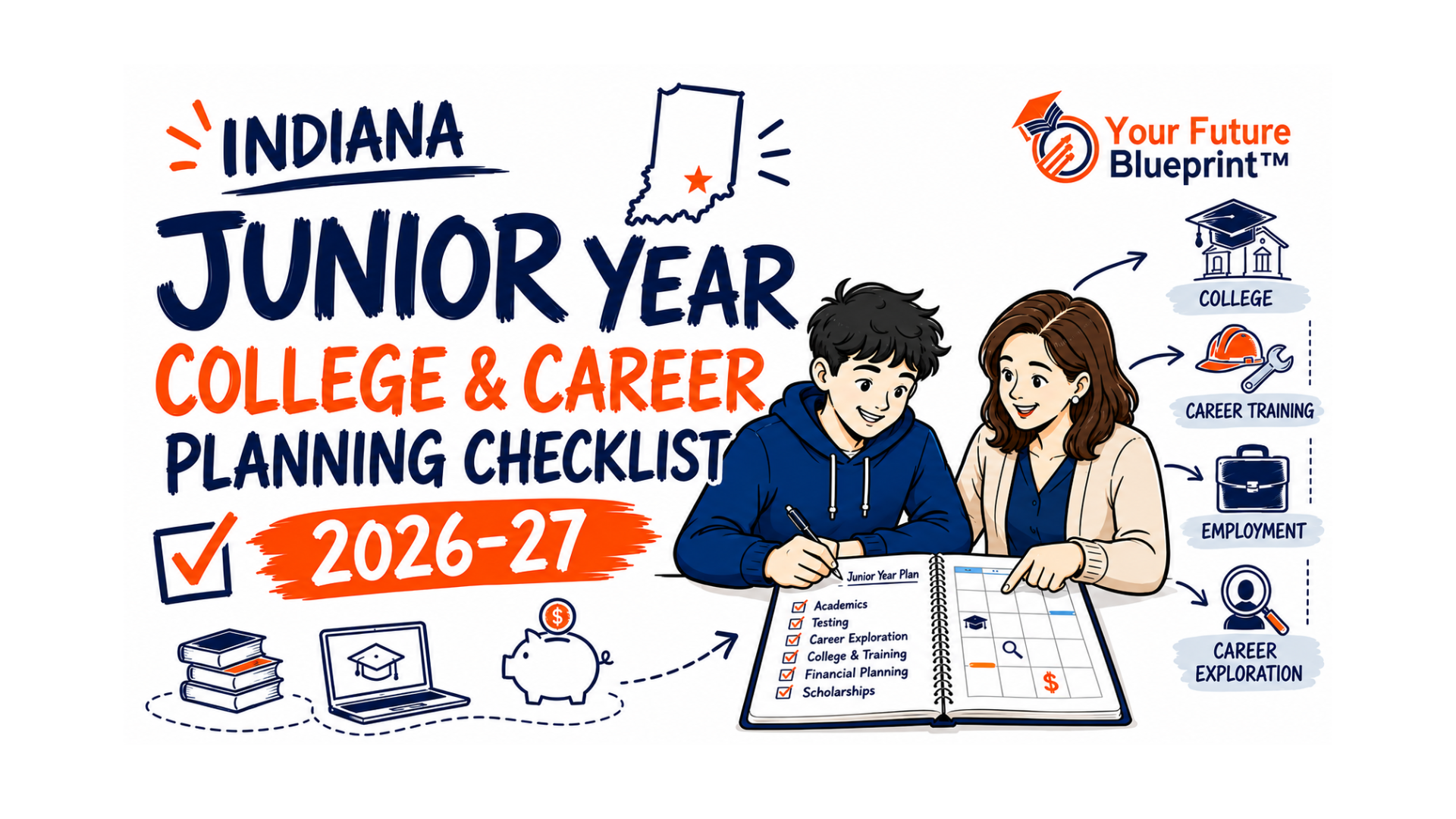
Students do not need to complete every college planning step immediately. Building a college list, exploring financial aid, and tracking activities during junior year can make senior year feel more organized and manageable.

How to Graduate in 4 Years: Tips for Indiana College Students
Before registration opens, review your degree audit with an academic advisor. Confirm that each class counts toward your program, that prerequisites are in order, and that your credit plan still supports your graduation timeline.

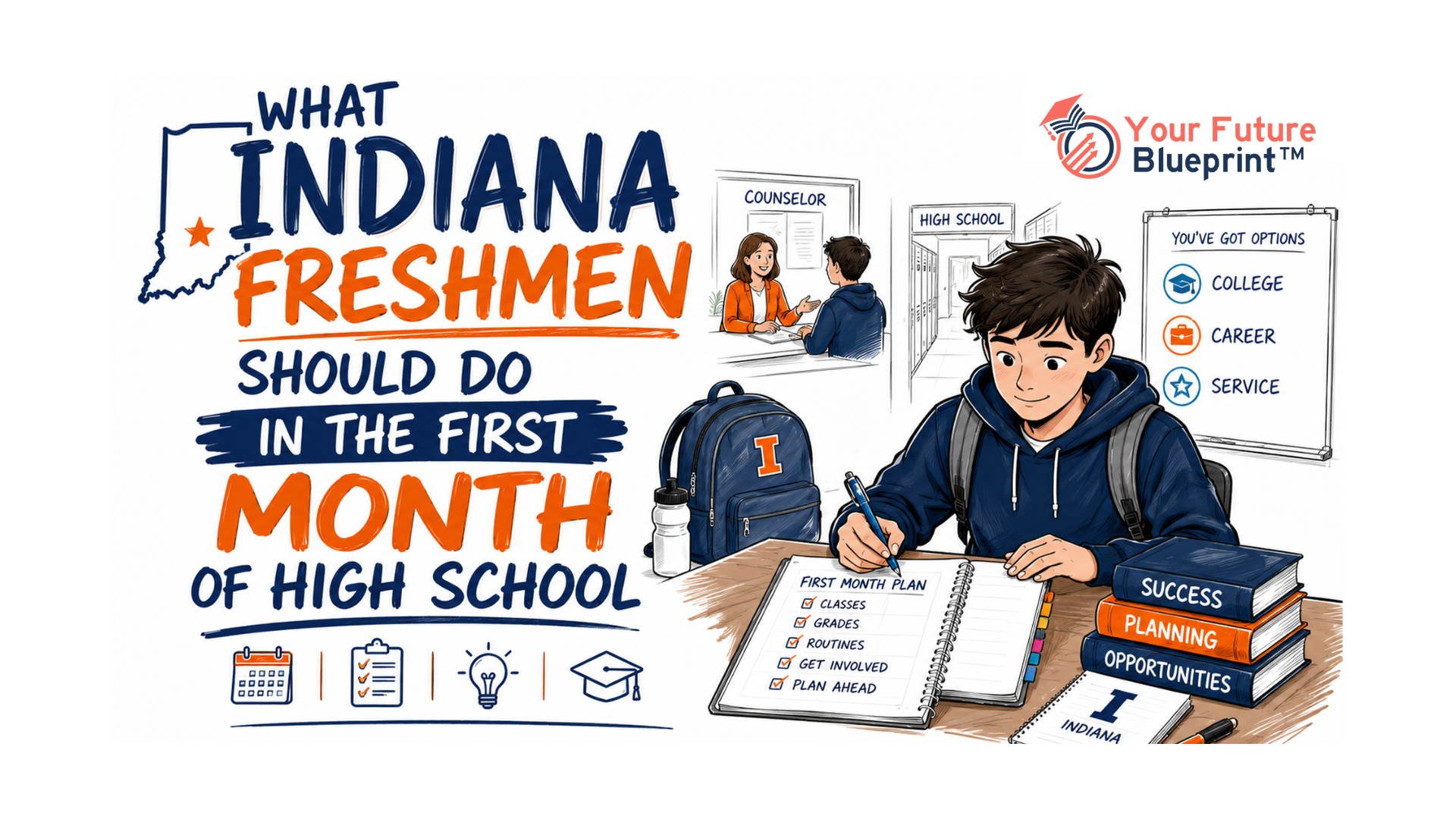
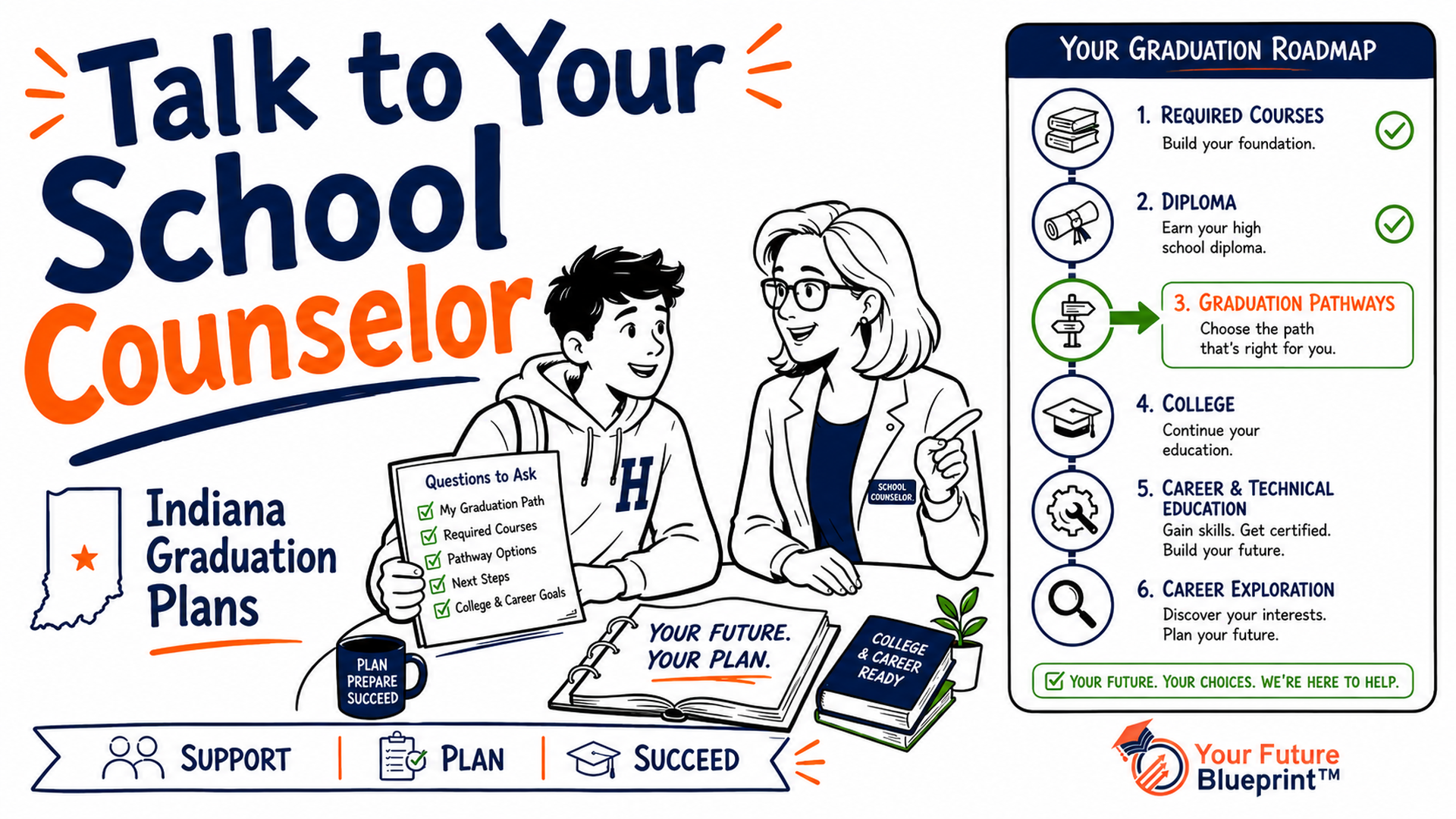
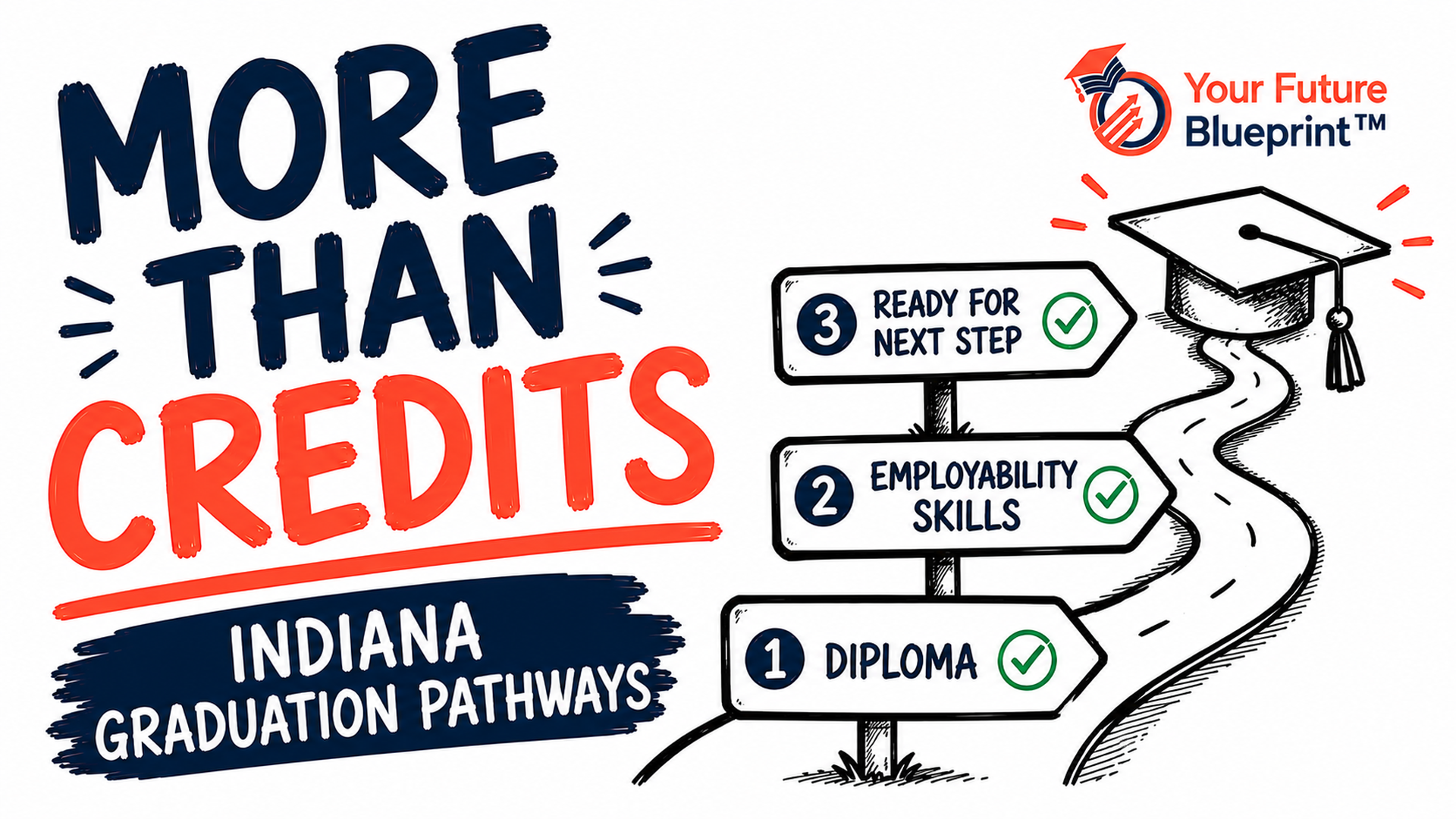
Indiana Graduation Pathways: What Students Need to Graduate
Do not guess your graduation status. Ask your school counselor for your school’s Graduation Pathways checklist and confirm your diploma requirements, employability skills, and postsecondary-ready competency.

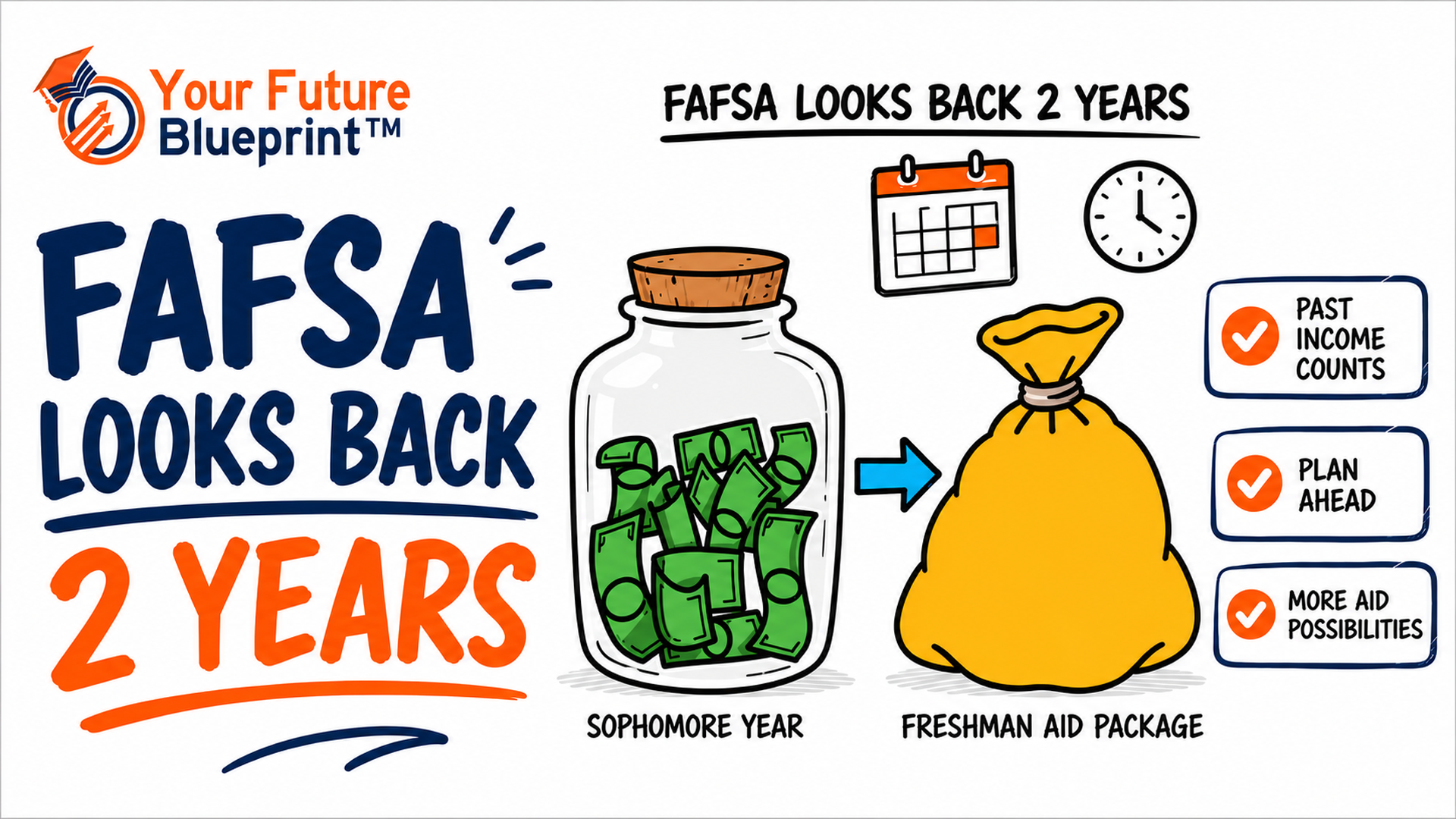
FAFSA Planning Moves Families Should Understand Before Senior Year
FAFSA can use earlier financial information, so sophomore and junior year planning may help families avoid surprises. Review account ownership, 529 plans, retirement withdrawals, and major financial moves before senior year.

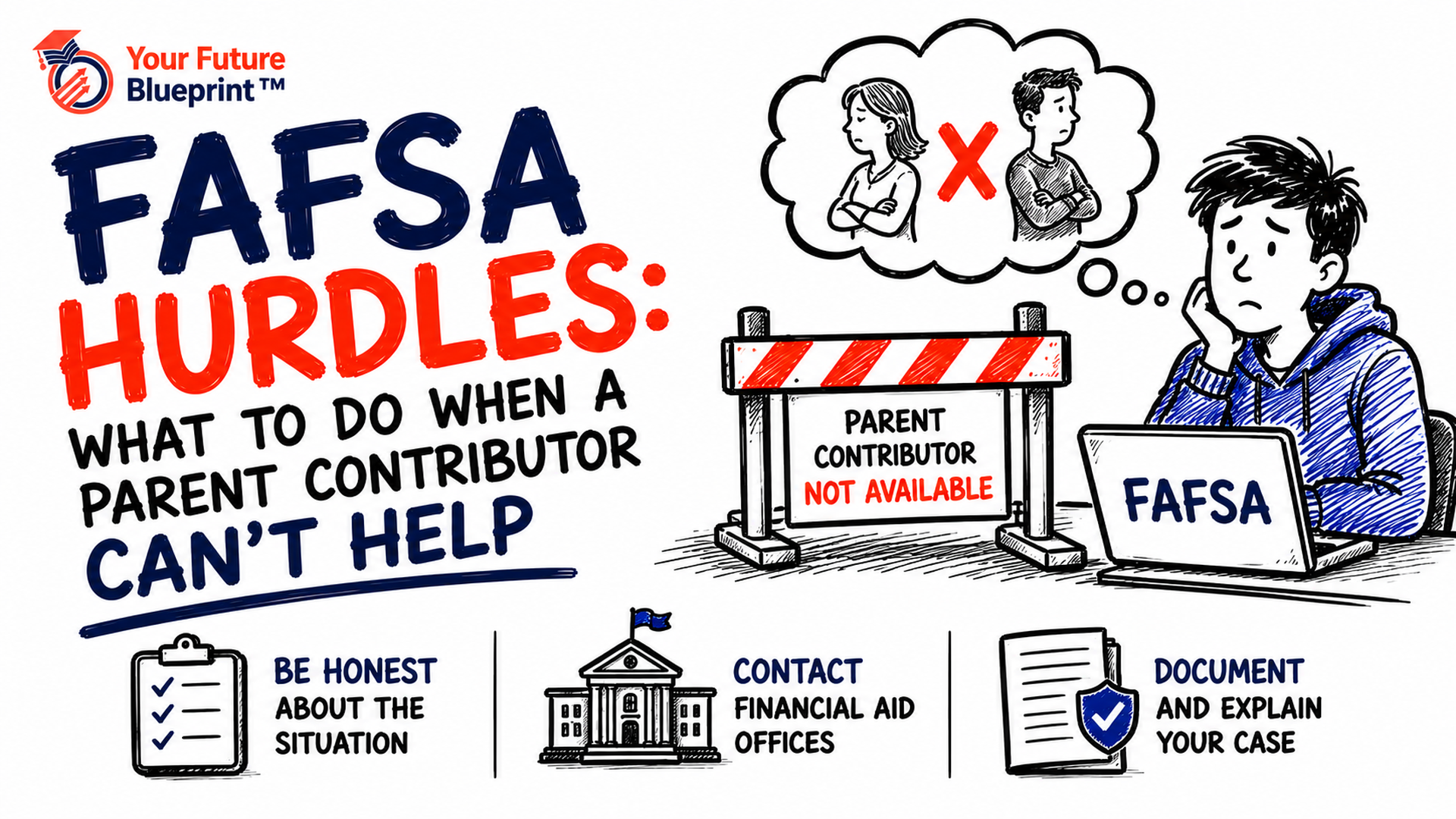
FAFSA Hurdles: What to Do When a Parent Contributor Can’t Help
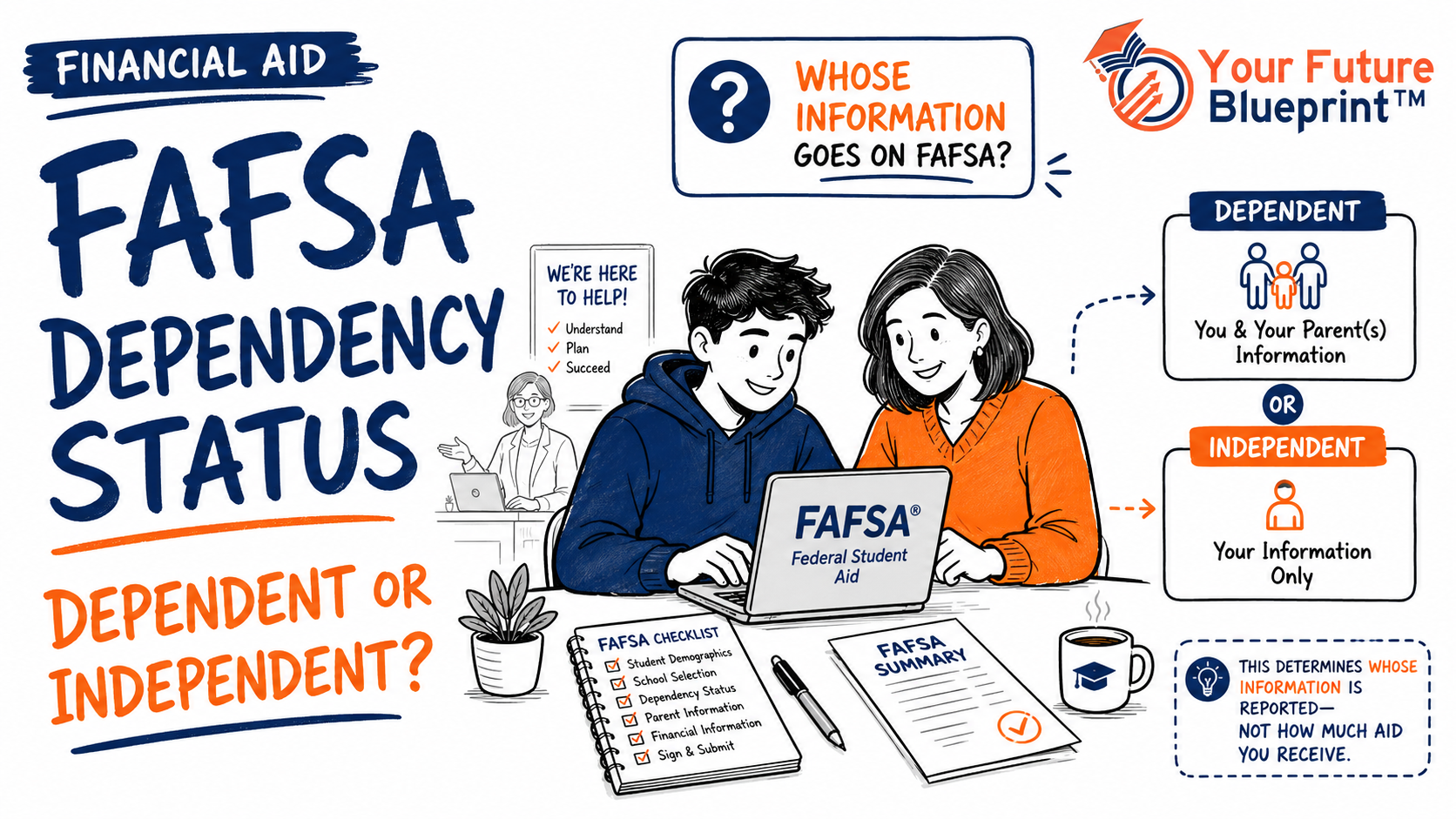
If a FAFSA contributor cannot or will not help, contact each college’s financial aid office directly. Ask what documentation they need and whether unusual circumstances, dependency override, or professional judgment review may apply.

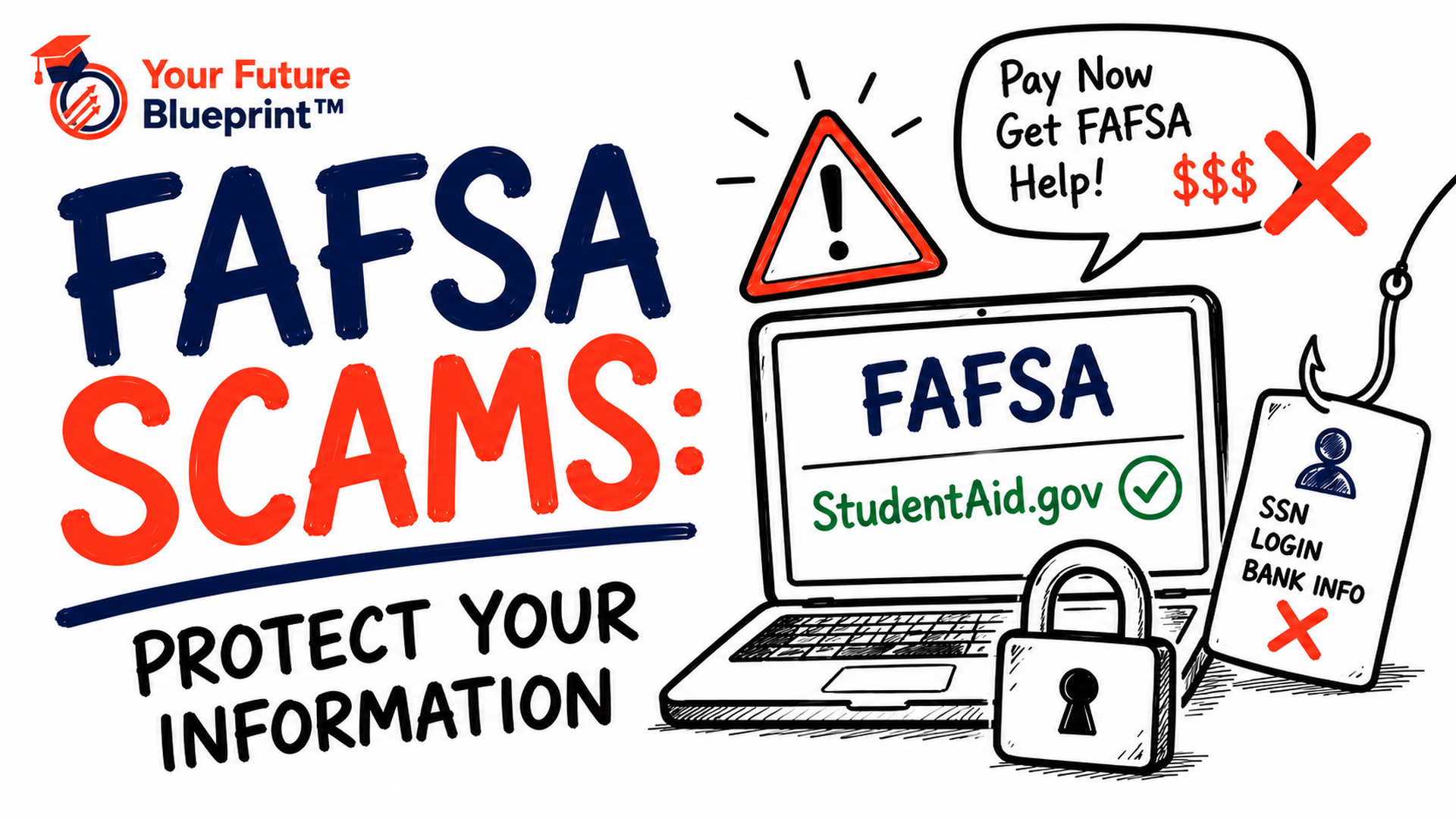
FAFSA Scams: How Families Can Avoid Fake Sites and Protect Their Information
Before clicking a link, paying a fee, or entering personal information, stop and check the web address. The official FAFSA form is free and should be completed through StudentAid.gov.

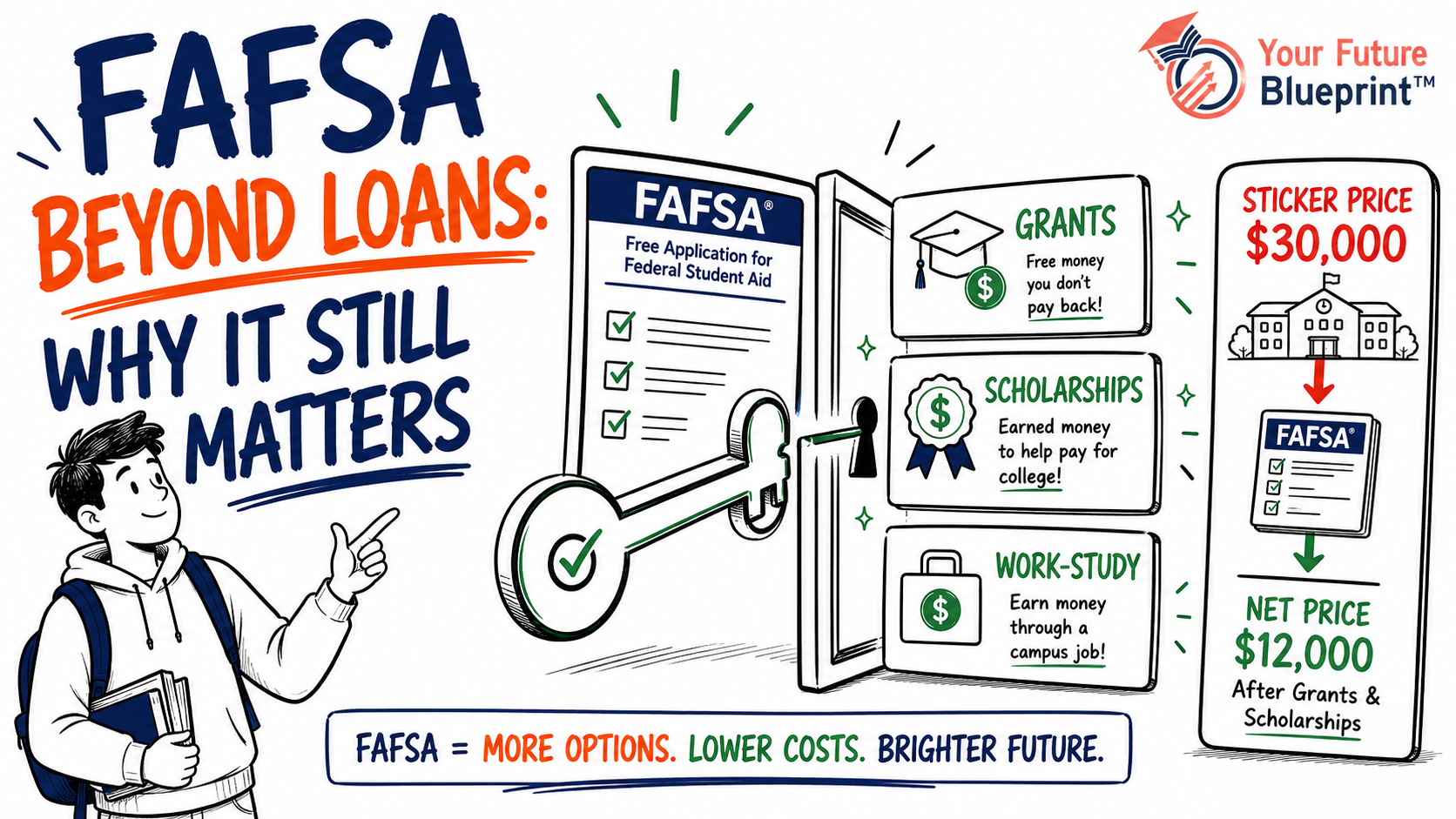
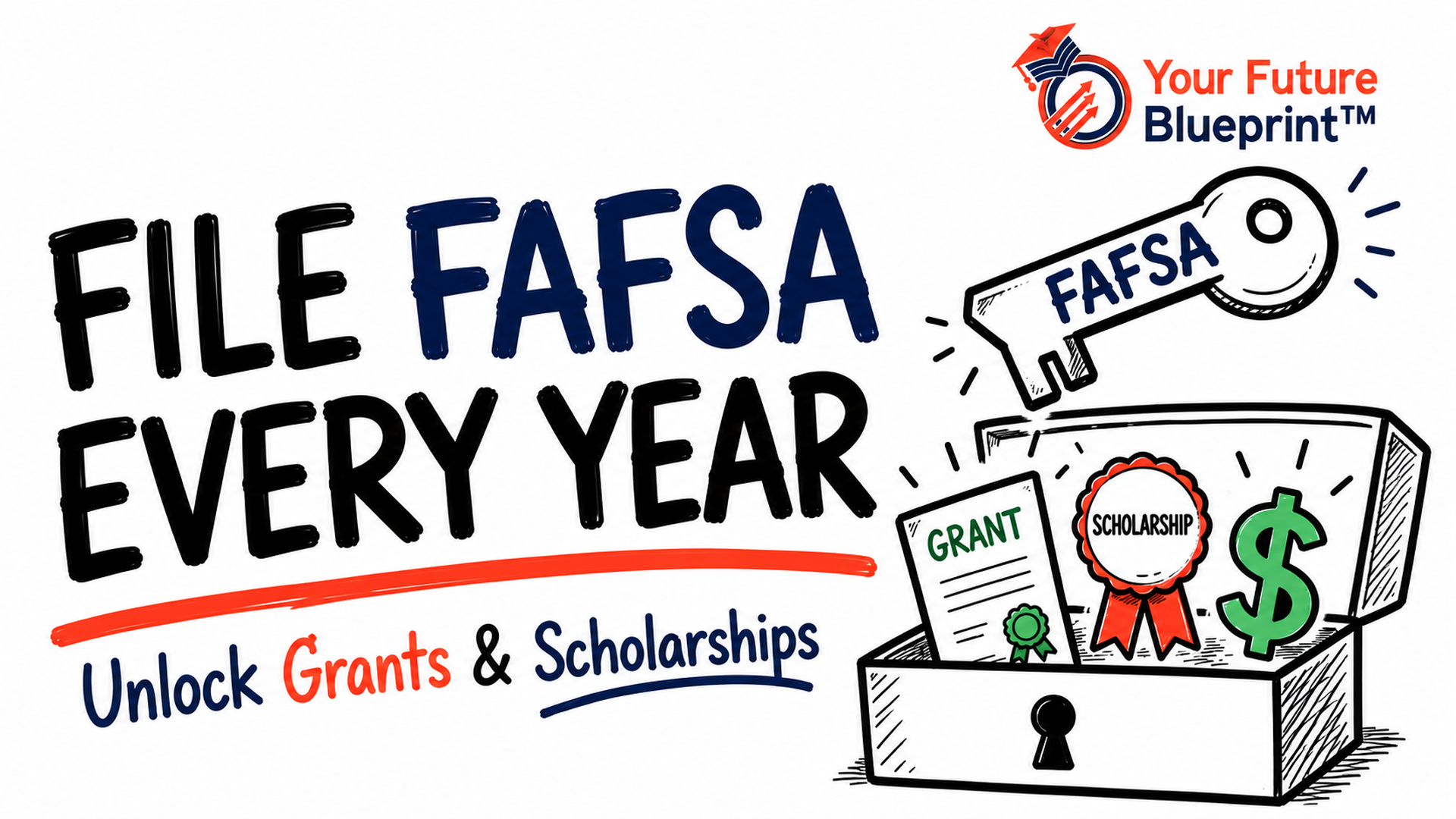
What Is FAFSA and Why Families Should File It Every Year
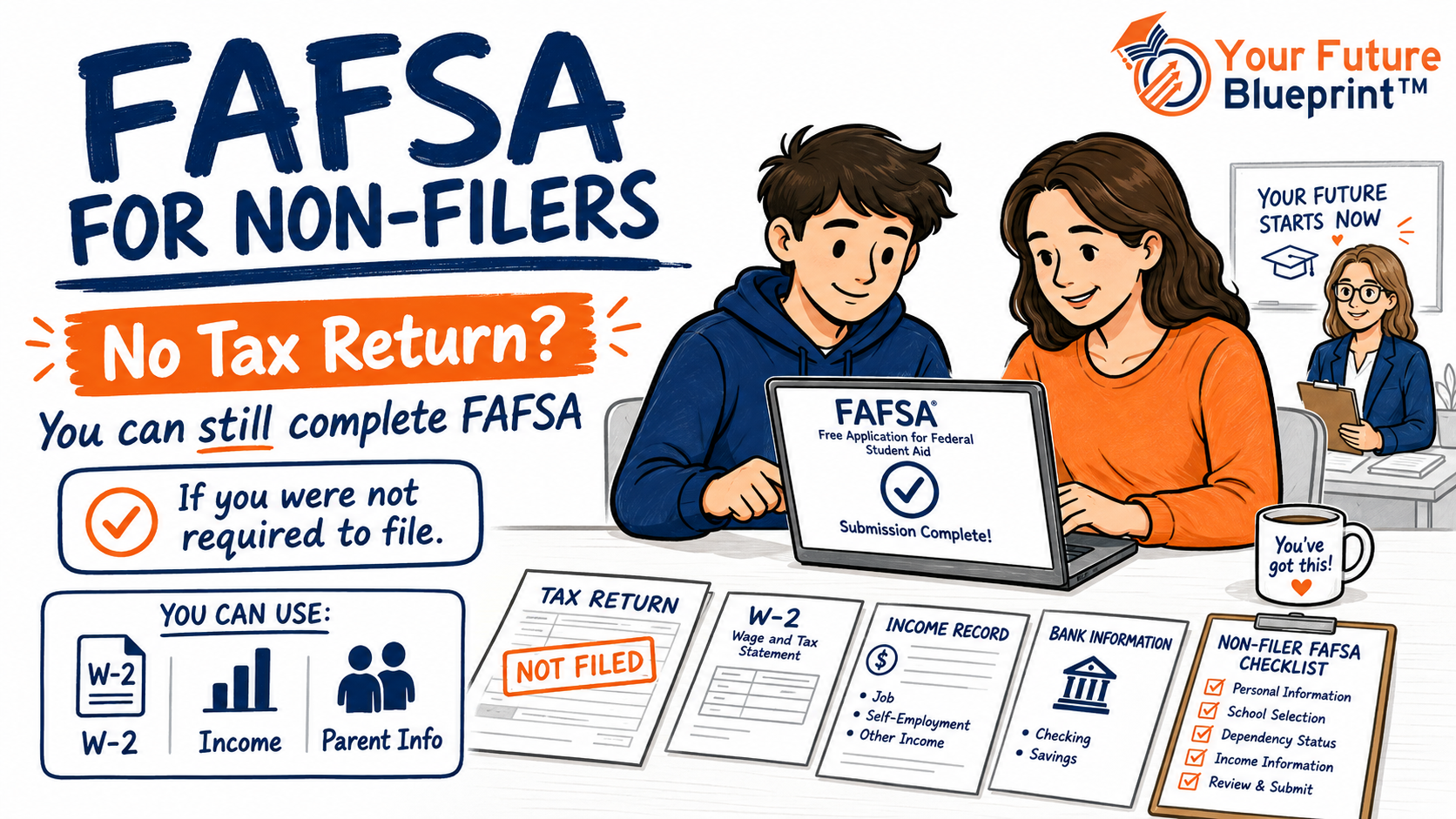
File FAFSA even if you are not sure your family will qualify. Filing does not require you to accept loans, but it may unlock grants, scholarships, work-study, and better college cost information.

What Colleges Look For (And What They Don’t)
Students do not need perfect grades, perfect test scores, or perfect extracurricular records. Consistent effort, meaningful involvement, and authentic personal growth often create a stronger application than trying to build a flawless résumé.
June 13, 2026
.png)
Early Decision vs. Early Action: What’s the Real Difference?
Before choosing Early Decision or Early Action, ask what you are agreeing to. Early Decision usually means commitment. Early Action usually means flexibility. The best strategy is the one that fits your goals, finances, and readiness.
June 12, 2026

Getting Great Letters of Recommendation
Focus on relationships, not prestige. A teacher or mentor who can provide detailed examples of your character, leadership, and growth is usually a better choice than someone with an impressive title who barely knows you.
June 6, 2026
%20(1).png)
We Saved for College. It Was Still Stressful.
Talk about college costs before a dream school becomes the only school that feels possible. Start with what your family can afford, how much debt feels reasonable, what scholarships could change the picture, and which backup options still support the student’s goals.
June 8, 2026

FAFSA Planning Moves Families Should Understand Before Senior Year
FAFSA can use earlier financial information, so sophomore and junior year planning may help families avoid surprises. Review account ownership, 529 plans, retirement withdrawals, and major financial moves before senior year.
May 11, 2026

FAFSA Hurdles: What to Do When a Parent Contributor Can’t Help
If a FAFSA contributor cannot or will not help, contact each college’s financial aid office directly. Ask what documentation they need and whether unusual circumstances, dependency override, or professional judgment review may apply.
May 11, 2026

FAFSA Scams: How Families Can Avoid Fake Sites and Protect Their Information
Before clicking a link, paying a fee, or entering personal information, stop and check the web address. The official FAFSA form is free and should be completed through StudentAid.gov.
May 2, 2026

What Is FAFSA and Why Families Should File It Every Year
File FAFSA even if you are not sure your family will qualify. Filing does not require you to accept loans, but it may unlock grants, scholarships, work-study, and better college cost information.
May 2, 2026

Skilled Trades ROI: Electrician, Plumber, Auto Tech, and More
When exploring skilled trades, focus on the daily work, training pathway, and long-term opportunities rather than just the job title. Many trades offer specialized certifications, leadership positions, business ownership opportunities, and advanced technical roles that can significantly expand career options over time.
June 13, 2026
.png)
Community College to Career: Why It Works
Before starting a community college program, create a clear academic and career plan. Verify transfer requirements, meet with advisors regularly, and understand how each course supports your long-term goals.
June 12, 2026
.png)
ROI: Real Costs, Real Careers: How to Evaluate the True Value of College and Career Paths
Do not focus only on college prestige, rankings, or marketing. Compare actual costs, expected debt, graduation outcomes, and career opportunities to understand long-term value.
June 12, 2026
.png)
Application & Scholarship Timeline: Your Strategic Journey
Instead of focusing only on the final application deadline, work backward. Schedule essay drafts, recommendation requests, financial aid forms, and scholarship applications several weeks in advance to reduce stress and avoid last-minute problems.
June 13, 2026

How to Build a Smart Senior Year Schedule
A course schedule should help you grow, meet your goals, and maintain your well-being. The best schedules challenge students appropriately while leaving enough room for applications, activities, family responsibilities, and personal time.
June 8, 2026

Your College Journey Starts Now
Students do not need to complete every college planning step immediately. Building a college list, exploring financial aid, and tracking activities during junior year can make senior year feel more organized and manageable.
May 28, 2026
.png)
Talking to Professors & Asking for Help
Introduce yourself to professors early in the semester. Building connections before challenges arise makes it easier to ask questions, seek guidance, and access support when you need it.
June 11, 2026

Why Students Drop Out of College - And How to Avoid It
A missed assignment, unpaid bill, or confusing class is usually easier to fix early. Tell a professor, advisor, financial aid office, counselor, parent, mentor, or trusted adult before the problem grows.
June 7, 2026

College Time Management 101: How to Balance Classes, Studying, and Life
Students who reserve recurring study blocks each week often find it easier to stay ahead of assignments and reduce last-minute stress.
June 5, 2026
.png)
If No One at Home Went to College: Here's What You Can Do
Students who ask questions early often solve small challenges before they become bigger problems. Advisors, professors, tutors, counselors, and support staff expect students to seek guidance. Reaching out is a sign of engagement, not weakness.
June 10, 2026

College Terms You Need to Know — But No One Explains
Students do not need to learn every college term at once. Start with the terms that affect cost, applications, schedules, and aid offers: FAFSA, SAI, cost of attendance, grants, scholarships, loans, credit hours, major, and minor.
June 7, 2026

Understanding the 21st Century Scholars Program
The biggest mistake families make is learning about the 21st Century Scholars Program too late. If you know a current 7th or 8th grader in Indiana, verify eligibility and enrollment requirements as early as possible so important deadlines are not missed.
June 14, 2026

Regional Career Centers & CTE Pathways in Indiana
You do not need to have your entire future planned out to benefit from a CTE pathway. Exploring career interests during high school can help students make more informed decisions about college, training programs, and future employment opportunities.
June 9, 2026

FAFSA Now Mandatory in Indiana: What It Means for You
Students and families who prepare early often have a smoother FAFSA experience. Creating FSA IDs, gathering documents, and reviewing requirements ahead of time can help reduce stress and provide more time to resolve questions before important deadlines.
June 1, 2026

How to Graduate in 4 Years: Tips for Indiana College Students
Before registration opens, review your degree audit with an academic advisor. Confirm that each class counts toward your program, that prerequisites are in order, and that your credit plan still supports your graduation timeline.
May 23, 2026

Indiana Graduation Pathways: What Students Need to Graduate
Do not guess your graduation status. Ask your school counselor for your school’s Graduation Pathways checklist and confirm your diploma requirements, employability skills, and postsecondary-ready competency.
May 16, 2026