Community College to Career: Why It Works
Reviewed for: 2026 Career & ROI Review
Last reviewed: June 2026 | Review type: Data-sensitive
What changed in this update:
- No major changes identified during this review.
- Links and official resources were reviewed for accuracy.
- Time-sensitive details should still be verified before major decisions.
Important: College costs, workforce demand, transfer agreements, and career outcomes can change. Students and families should verify current information using official college and workforce resources.
Quick Answer
Community college can be an affordable and effective pathway toward many careers. Success depends on choosing a program that supports your goals, understanding transfer requirements, completing your coursework, and using available support resources along the way.
Key Takeaways
- Start with career goals, not just college choices.
- Compare both costs and outcomes when evaluating programs.
- Verify transfer requirements before enrolling.
- Use advising and support services early.
- Build a clear education and career plan before making major decisions.
Who This Is For
Students: Learn how to evaluate whether community college fits your goals.
Parents: Understand the opportunities and considerations involved in community college pathways.
Counselors: Share practical guidance about educational value, transfer planning, and career readiness.
Think Career, Not Just College
Many students grow up hearing that a four-year university is the default path to success. While that route works well for some students, it is not the only option.
A stronger question is:
"What career am I working toward?"
Once students understand their goals, they can evaluate which education pathway makes the most sense financially, academically, and professionally.
Community college can provide an affordable starting point for students pursuing careers in healthcare, information technology, skilled trades, business, public service, and many other fields.
The goal is not simply choosing a college. The goal is choosing a path that supports long-term success.
Comparing Costs Without Ignoring Outcomes
One reason many students consider community college is affordability.
Community colleges often have significantly lower tuition costs than four-year institutions. This can reduce borrowing and make education more accessible for families.
However, lower cost alone does not determine value.
Students should evaluate:
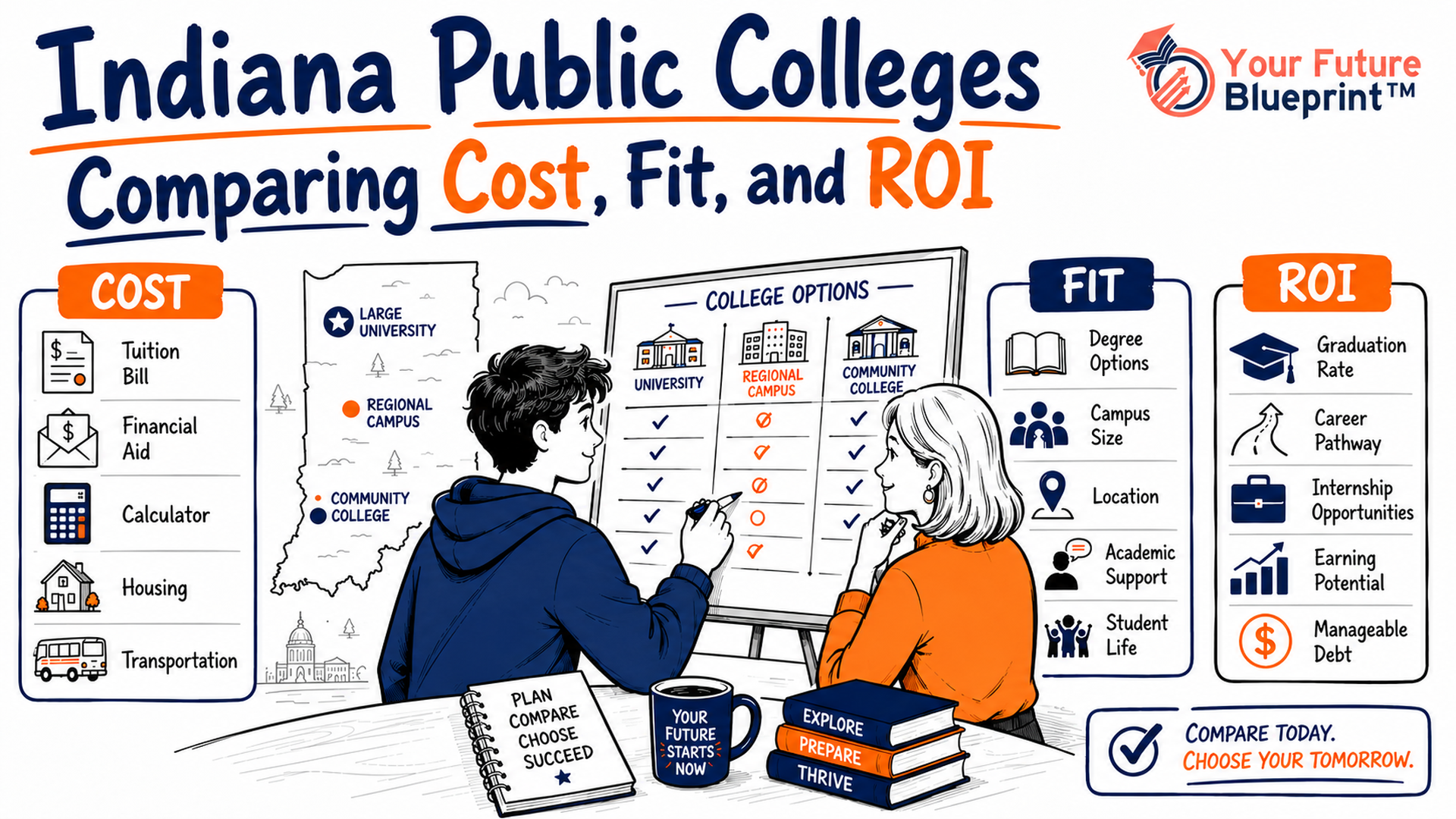
- Tuition and fees
- Books and supplies
- Transportation costs
- Living expenses
- Program completion rates
- Career opportunities after graduation
A lower-cost program that does not help students reach their goals may not deliver the value they expect.
Understanding the Value Equation
When evaluating education options, consider this simple concept:
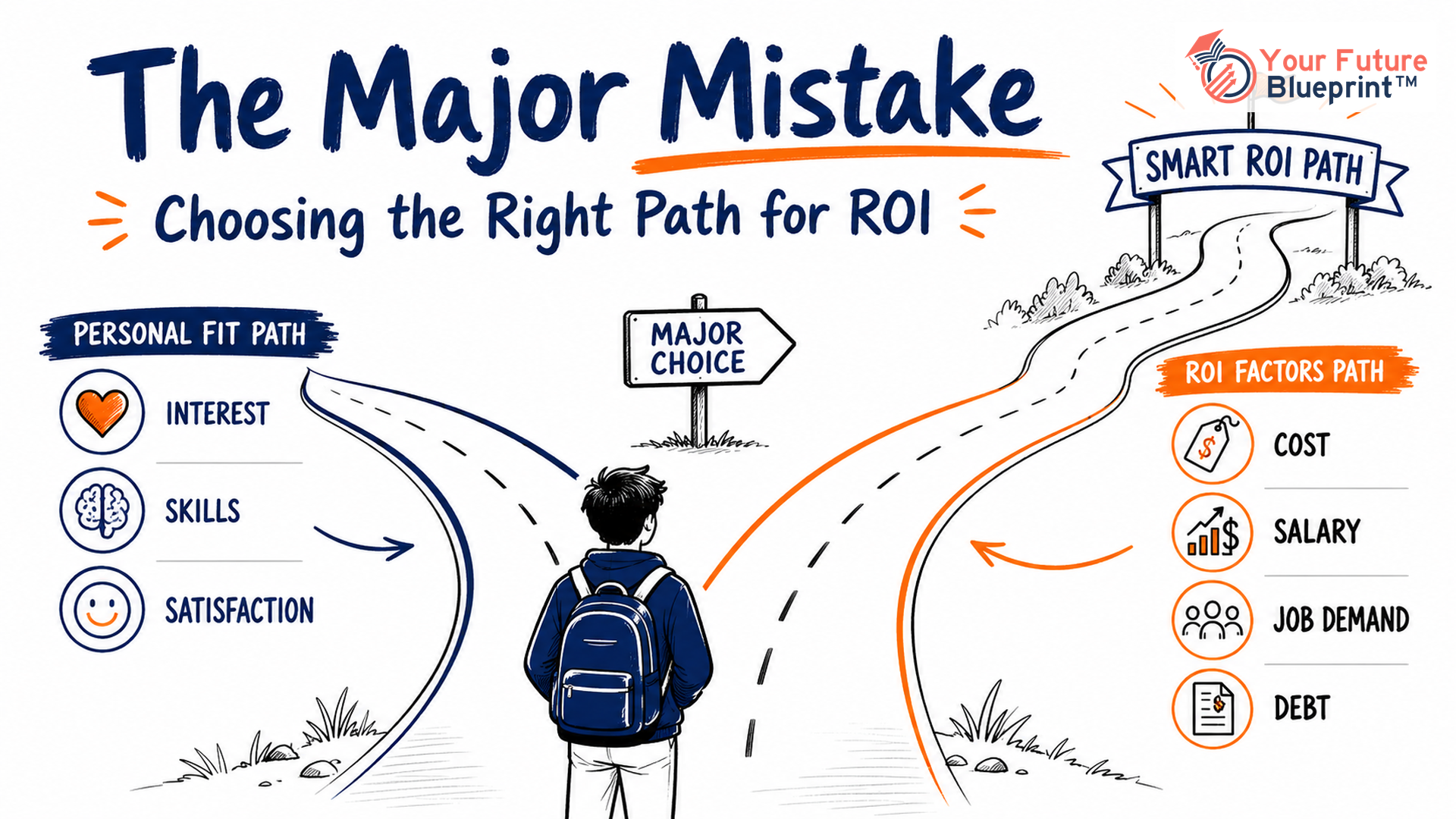
Cost + Outcome = Value
A program's value is determined by more than its price.
Students should ask:
- What skills will I gain?
- What careers does this program support?
- What are the employment opportunities in my area?
- What additional education might be required later?
The strongest educational investments often balance affordability with meaningful career opportunities.
Not Every Community College Journey Looks the Same
Community college can be an excellent pathway, but success is not automatic.
Some students enroll without a clear goal, change programs repeatedly, lose credits, or stop attending before finishing.
Having a plan can help students:
- Stay focused
- Complete programs faster
- Reduce unnecessary expenses
- Improve transfer opportunities
- Reach career goals more efficiently
Intentional planning often makes the difference between simply attending college and successfully completing a pathway.
Transfer Planning Matters More Than Many Students Realize
Many students begin at a community college intending to transfer to a four-year institution.
This can work well, but transfer is not always simple.
Transfer agreements vary between institutions, majors, and state systems.
Before enrolling, students should verify:
- Which courses transfer
- Minimum GPA requirements
- Program-specific requirements
- Transfer deadlines
- Degree pathways
Students should communicate directly with both institutions whenever possible.
Assumptions can lead to unexpected delays, lost credits, and additional costs.
Lost Credits Can Cost More Than Money
One of the most common transfer challenges involves credits that do not apply toward a student's intended degree.
When credits fail to transfer correctly, students may experience:
- Additional tuition expenses
- Delayed graduation
- Increased borrowing
- Frustration and confusion
This is why researching transfer pathways before enrolling is often one of the most valuable steps students can take.
Skills Employers Want
Many community colleges work closely with local employers to develop career-focused programs.
Students may find training opportunities in fields such as:
- Nursing and healthcare
- Information technology
- Cybersecurity
- Manufacturing
- Skilled trades
- Business operations
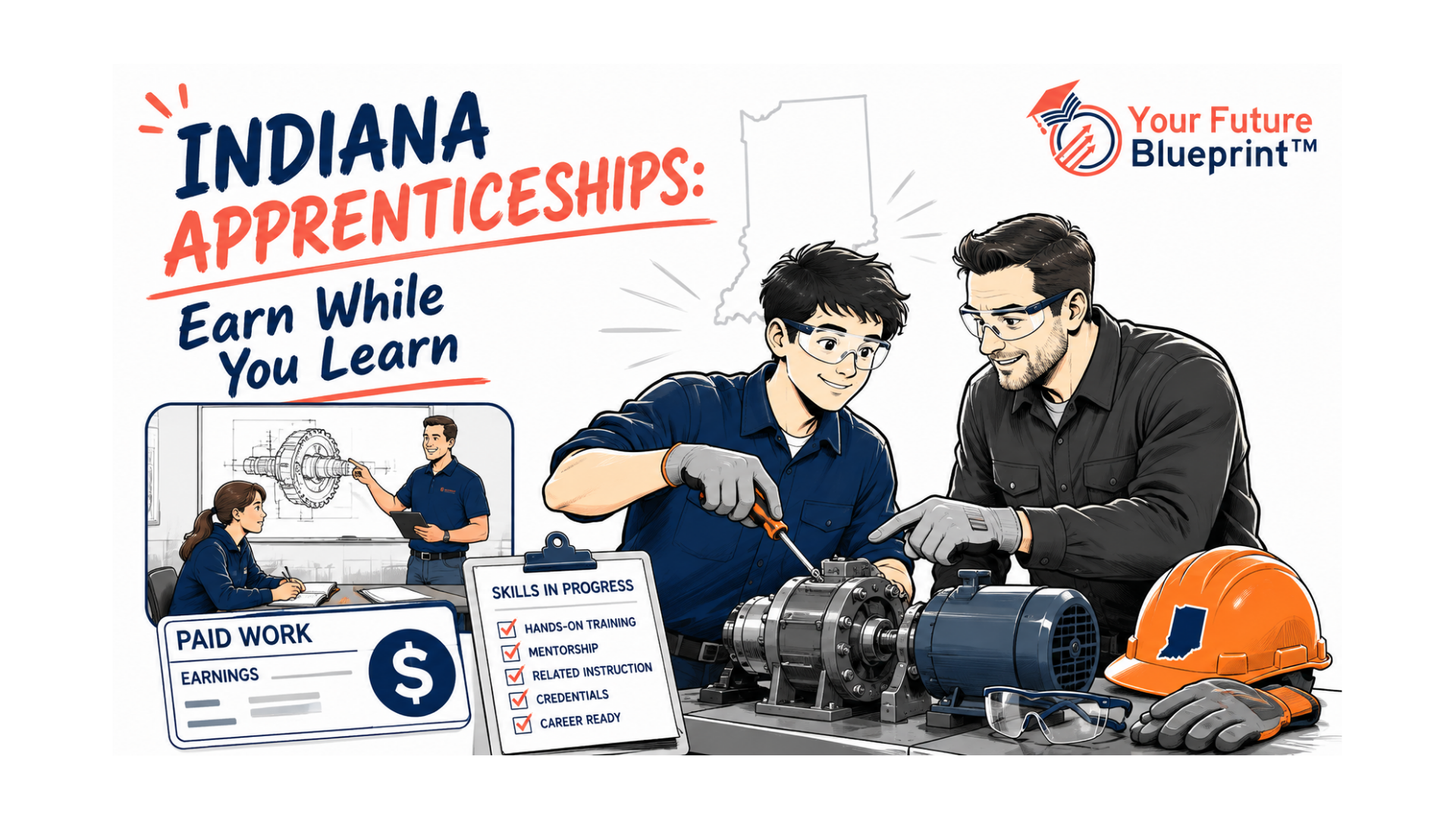
These programs often emphasize practical skills, hands-on learning, certifications, and workforce readiness.
Train Today, Work Tomorrow
For some students, entering the workforce quickly is a major priority.
Career-focused programs and workforce credentials may allow students to build job-ready skills in less time than traditional four-year pathways.
The right option depends on individual goals, interests, finances, and career aspirations.
There is no single path that works for everyone.
Start Smart, Finish Strong
Support services can significantly improve a student's chances of staying on track.
Many community colleges offer:
- Academic advising
- Career coaching
- Transfer planning
- Enrollment assistance
- Tutoring services
- Graduation support
Students who actively use these resources often have more information available when making important decisions.
Community College Is Not a Magic Fix
Community college is not a shortcut to success.
Like any educational pathway, it requires:
- Effort
- Commitment
- Planning
- Consistent follow-through
Students still need to attend classes, meet requirements, seek help when needed, and make informed decisions throughout the process.
Be Intentional
The strongest educational decisions are intentional ones.
Whether a student chooses community college, a four-year university, workforce training, military service, apprenticeship programs, or another pathway, success usually starts with understanding goals and building a plan to reach them.
Questions to Ask Before You Enroll
Before enrolling in any community college program, take time to ask a few important questions. The answers can help you avoid surprises, compare options more effectively, and make sure your education supports your long-term goals.
Questions to Ask:
- What career or careers does this program prepare students for?
- What is the total cost of attendance, including tuition, fees, books, transportation, and other expenses?
- Which courses will transfer if I plan to continue at a four-year college?
- Are there transfer agreements with colleges I may want to attend later?
- What GPA requirements must I maintain?
- How long does the program typically take to complete?
- What support services are available, such as advising, tutoring, career coaching, and transfer assistance?
- Are internships, certifications, apprenticeships, or work-based learning opportunities included?
- What skills will I gain, and how do they align with employer needs?
- What should my next step be after completing this program?
Official / Trusted Links
- College Board Trends in College Pricing
Use this resource to review current tuition, fees, and college cost trends. - National Center for Education Statistics
Use this source for graduation rates, enrollment data, and education statistics. - Georgetown University Center on Education and the Workforce
Use this resource to explore education, career pathways, workforce trends, and return-on-investment research. - U.S. Department of Education College Scorecard
Use this tool to compare colleges based on cost, graduation rates, and career outcomes. - American Association of Community Colleges (AACC)
Use this resource to learn about community colleges, workforce programs, and transfer pathways.
Best Next Step
Before enrolling in any program, create a simple education and career plan. Identify your goals, compare costs and outcomes, verify transfer requirements, and meet with advisors who can help you stay on track.
Ready for the next step? Explore the recommended track for step-by-step guidance:
Counselor Share Note
Counselors may share this article as a general educational resource to support discussions about college planning, career pathways, transfer preparation, and educational value. Students and families should verify details with official institutions and advisors before making final decisions.
Sources & References
Last Reviewed
JUNE 2026
Disclaimer
This content is for general educational purposes only and does not constitute financial, legal, tax, academic advising, employment, or professional advice. Students and families should consult with school counselors, financial aid offices, college representatives, transfer advisors, workforce program staff, or other trusted professionals before making final decisions.
View Transcript

Community college does not have to be a backup plan. For many students, it can be a practical and affordable starting point toward a successful career.
The most important question is not whether you attend a community college or a four-year university. The more important question is where you want your education to take you.
Community colleges often offer lower tuition costs and can provide access to careers in healthcare, information technology, skilled trades, business, and many other fields.
When evaluating educational pathways, remember that value comes from both cost and outcome. A lower-cost education that leads to meaningful career opportunities may offer strong long-term value.
Students should also understand that transferring to a four-year institution requires planning. Not all credits transfer equally, and requirements can vary by school, major, and program.
Before enrolling, research transfer agreements, credit requirements, and academic expectations. Communicate directly with both institutions whenever possible.
Poor transfer planning can lead to lost credits, additional costs, and delayed graduation.
Community colleges often partner with employers to help students develop workforce skills that are in demand. Career-focused programs may provide opportunities to build practical experience and industry-relevant credentials.
Success also depends on using available support systems. Academic advising, career coaching, transfer planning, and student support services can help students stay on track.
Community college is not a magic fix, and it is not a shortcut. Success still requires effort, commitment, planning, and intentional decision-making.
For students who approach it strategically, community college can be an affordable, practical, and effective pathway toward long-term career success.