Regional Career Centers & CTE Pathways in Indiana
Indiana students have more than one path after high school. Regional Career Centers and Career and Technical Education (CTE) pathways can help students explore careers, gain hands-on experience, earn industry credentials, and, in some cases, earn college credit before graduation.
Regional Career Centers and Career and Technical Education (CTE) pathways give students opportunities to explore careers, gain practical experience, and build valuable skills before graduation.
Reviewed for: Indiana Career and Technical Education Information
Last reviewed: June 2026 | Review type: Annual
What changed in this update:
- No major changes identified during this review.
- Links and official resources were reviewed for accuracy.
- Time-sensitive details should still be verified before major decisions.
Important: Career pathway offerings, dual credit opportunities, certifications, and local program availability may vary by district and year. Verify current options with your school counselor and local career center.
Quick Answer
Indiana Regional Career Centers and Career and Technical Education (CTE) pathways help students explore careers while still in high school. Depending on the program, students may gain hands-on experience, earn industry-recognized credentials, complete dual-credit coursework, and better understand their options after graduation.
Key Takeaways
- CTE pathways provide career-focused learning while students are still in high school.
- Many programs include hands-on training in real-world settings.
- Students may earn industry certifications and dual college credit.
- CTE can support both college and career goals.
- School counselors can help students identify programs available in their area.
Who This Is For
Students: Learn how to explore career interests before graduation.
Parents: Understand how career pathways can support both college and workforce goals.
Counselors: Share practical information about Indiana career readiness opportunities.
What Are Regional Career Centers and CTE Pathways?
Regional Career Centers are specialized educational centers that offer programs often unavailable at a student's home high school. Students may travel part of the day to a career center while remaining enrolled at their local school.
Career and Technical Education pathways are structured sequences of courses that focus on specific industries and career fields.
Examples may include:
- Health Science
- Advanced Manufacturing
- Information Technology
- Culinary Arts
- Construction Trades
- Business and Entrepreneurship
- Agriculture
Rather than waiting until after graduation to explore career options, students can begin developing skills while still completing high school requirements.
Hands-On Learning Beyond the Traditional Classroom
One of the biggest differences between CTE programs and traditional coursework is the emphasis on practical learning.
Students may:
- Work with industry-standard equipment
- Participate in lab-based instruction
- Complete project-based assignments
- Engage with professionals in the field
- Experience workplace simulations
This hands-on approach allows students to test career interests before investing significant time and money in postsecondary education.
Many students discover strengths and interests they may not have recognized through traditional academic classes alone.
Example of a Career Pathway
A student interested in healthcare might follow a pathway like this:
- High School Health Science Courses
- Regional Career Center Training
- Certified Nursing Assistant (CNA) Credential (if available)
- Dual College Credit Opportunities
- Nursing, Allied Health, or Healthcare Degree Program
Another student interested in manufacturing may explore advanced manufacturing coursework, industry certifications, and apprenticeships while still in high school.
Pathways vary by district and career center, so students should verify local options with their counselor.
The Triple Advantage of CTE Programs
Many Indiana CTE pathways offer three valuable benefits that can support future success.
Job Skills
Students develop practical technical skills that employers often seek when hiring entry-level workers.
These experiences may help students become more confident and workforce-ready after graduation.
Industry Certifications
Some pathways offer opportunities to earn industry-recognized credentials.
For example, students pursuing healthcare pathways may have opportunities to work toward Certified Nursing Assistant (CNA) credentials or similar certifications depending on program availability.
These credentials can demonstrate skills to employers and may support future employment opportunities.
Dual College Credit
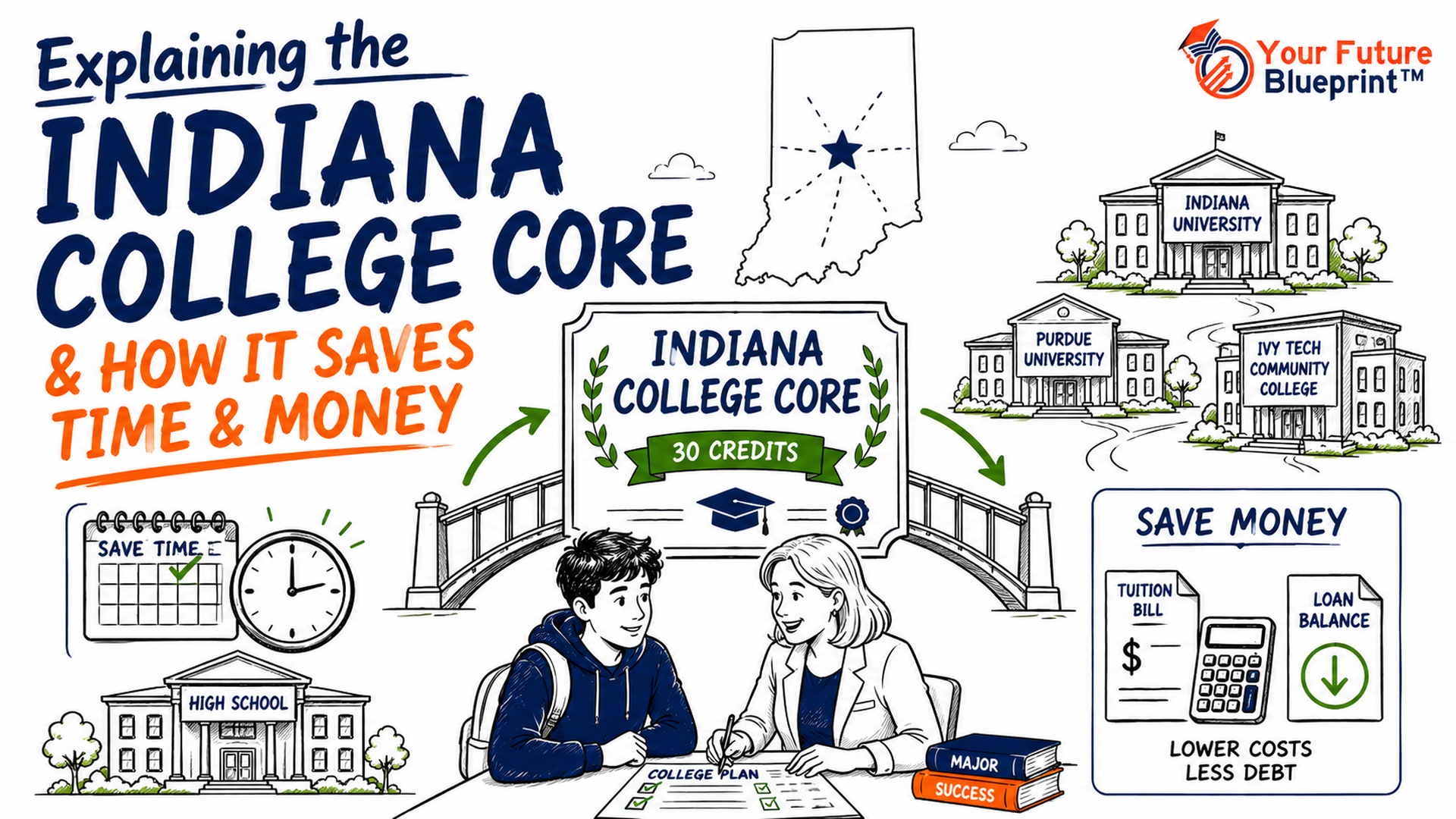
Many CTE courses align with dual credit programs that allow students to earn college credit while still in high school.
Depending on the institution and program requirements, these credits may reduce future course loads and potentially lower educational costs.
Students should always confirm transferability with prospective colleges and universities.
CTE Is Not Just for Students Avoiding College
One of the most common misconceptions about Career and Technical Education is that it is only designed for students who do not plan to attend college.
In reality, many Indiana CTE pathways are intentionally aligned with postsecondary programs and degree pathways.
Students who participate in CTE may:
- Explore career interests earlier
- Build stronger resumes
- Gain practical experience
- Demonstrate initiative and commitment
- Enter college with clearer goals
Career-focused learning and college preparation are not mutually exclusive. Many students successfully combine both.
Find Your Indiana Pathway
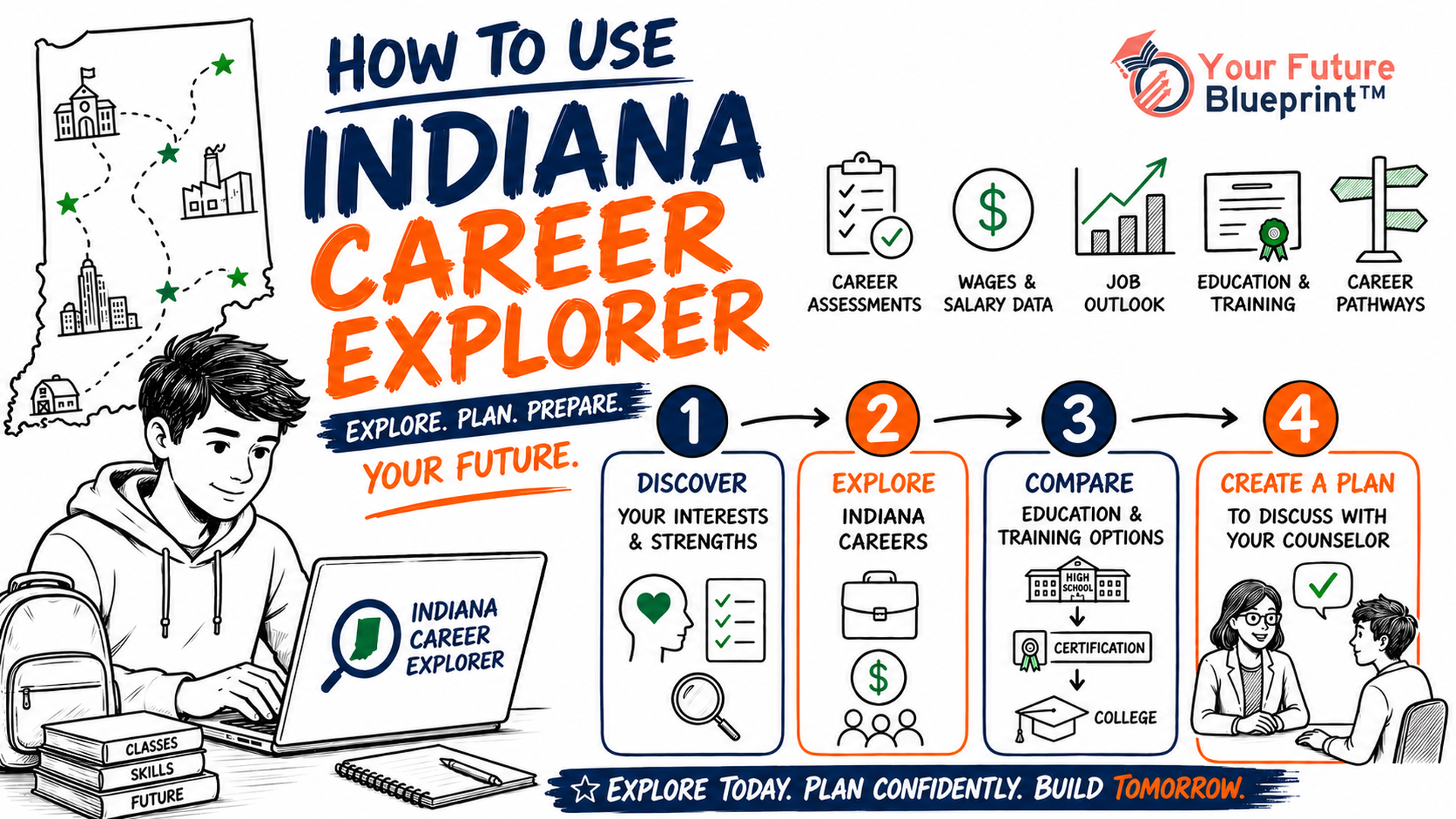
If you're interested in learning more about CTE opportunities, start with these practical steps.
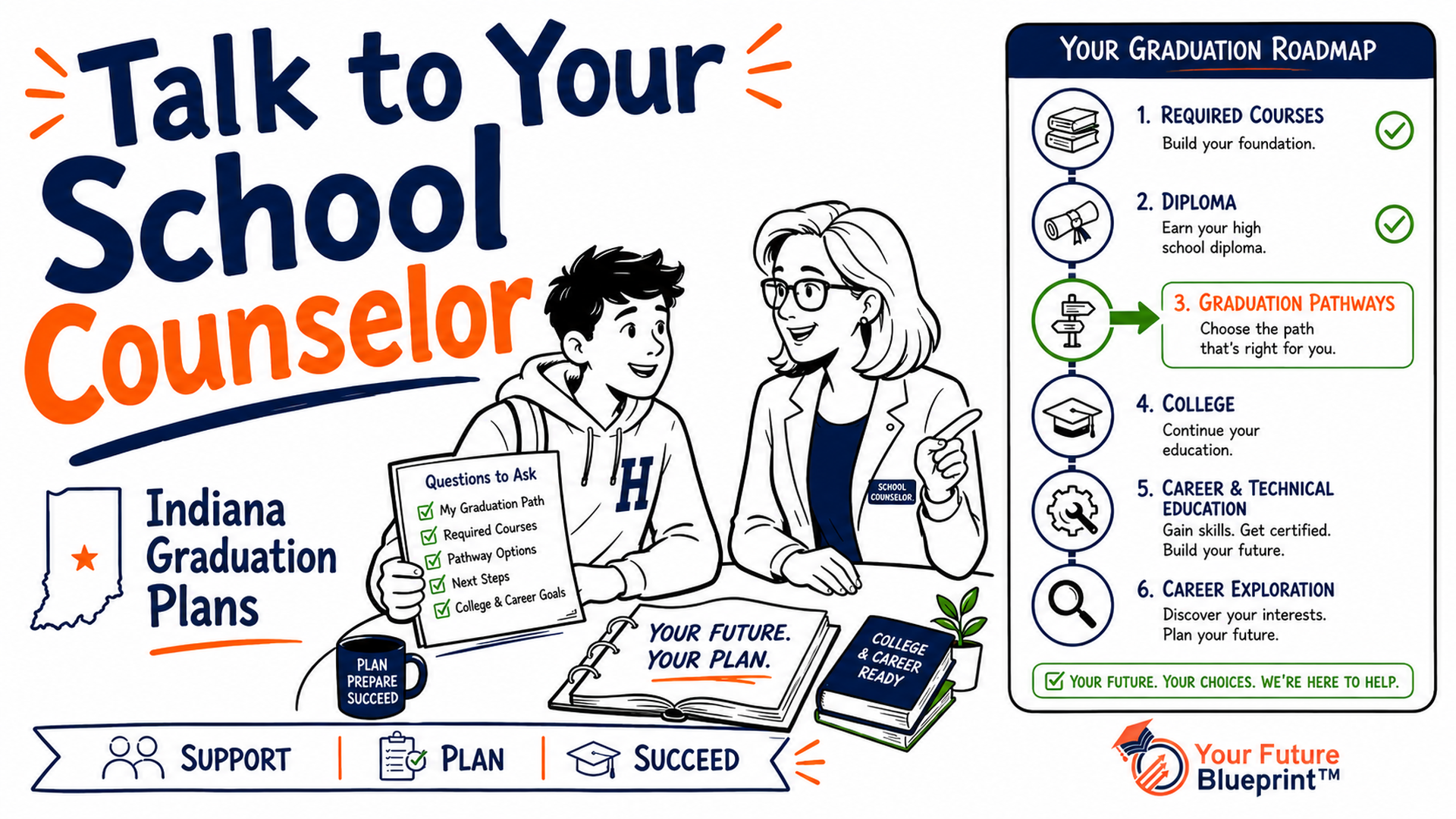
Talk With Your School Counselor.
Your school counselor can explain:
- Available CTE programs
- Regional Career Center options
- Enrollment requirements
- Transportation considerations
- Dual credit opportunities
How to Find Your Local Career Center
Not every Indiana high school offers the same Career and Technical Education (CTE) programs. Many students participate through Regional Career Centers that serve multiple school districts.
To find programs available to you:
- Talk with your school counselor.
- Ask whether your district partners with a Regional Career Center.
- Review available pathway options and enrollment requirements.
- Ask about transportation arrangements.
- Explore available certifications, dual-credit opportunities, and work-based learning experiences.
Program availability varies by location and school year, so always confirm current offerings with your school.
Research Local Career Centers
Explore the programs offered by nearby Regional Career Centers and review available pathway options.
Look for information about:
- Course offerings
- Industry partnerships
- Certifications
- Work-based learning opportunities
- Postsecondary connections
Connect With Industry Professionals
Career fairs, job shadowing opportunities, informational interviews, and community events can help students gain insight into potential career paths.
Questions to ask professionals include:
- What skills are most important in this field?
- What education or certifications are required?
- What does a typical workday look like?
- What advice would you give high school students?
What To Watch For
As you evaluate career pathways:
- Verify current program availability.
- Confirm certification opportunities.
- Understand transportation requirements.
- Review graduation requirements.
- Ask how dual credits transfer to colleges you may attend.
Official / Trusted Links
Related Your Future Blueprint Resources
Related training track: Regional Career Centers & CTE Pathways in Indiana
Frequently Asked Questions
Do students have to give up college plans to participate in CTE?
No. Many CTE students continue to two-year and four-year colleges after graduation. Some programs also include dual-credit opportunities.
Can students earn college credit through CTE?
Some pathways include dual-credit coursework. Students should verify transferability with colleges they may attend.
Are CTE programs only for skilled trades?
No. Indiana pathways may include healthcare, information technology, business, agriculture, advanced manufacturing, education, and other career fields.
How do students enroll?
Enrollment requirements vary by school district and Regional Career Center. Students should speak with their school counselor for current information.
Do all schools offer the same programs?
No. Program availability varies by district, career center, staffing, and local workforce needs.
Best Next Step
Meet with your school counselor and ask which CTE pathways, career center programs, dual-credit opportunities, and industry credentials are available in your district. Exploring options early gives you more flexibility when planning for college, training, apprenticeships, military service, or direct entry into the workforce.
Ready for the next step? Explore the recommended track for step-by-step guidance:
Parent Conversation Checklist
Consider discussing the following questions with your student:
- Which career fields seem most interesting right now?
- Would hands-on learning help explore those interests?
- Are there CTE pathways available through our school district?
- Could industry certifications or dual-credit courses support future goals?
- What transportation or scheduling requirements should we understand?
- What questions should we ask the school counselor?
These conversations can help students explore options without feeling pressured to have everything figured out.
Counselor Share Note
Counselors are encouraged to share this guide with students and families as an introductory resource. Because program availability, certifications, transportation options, and dual-credit agreements can change, students should verify current information with their school, Regional Career Center, and official program providers.
Sources & References
Last Reviewed
June 2026
Disclaimer
This content is for general educational purposes only and does not constitute financial, legal, tax, academic advising, employment, or professional advice. Students and families should consult with school counselors, career center representatives, college officials, employers, or other qualified professionals before making final decisions.
View Transcript

Regional Career Centers & CTE Pathways in Indiana
What if you could start building your career while still in high school? In Indiana, students can do exactly that through Regional Career Centers and Career and Technical Education (CTE) pathways.
These opportunities allow students to gain job skills, earn college credits, and take meaningful steps toward future career goals before graduation.
Regional Career Centers offer specialized classes that may not be available at a student's home high school. Career and Technical Education pathways are groups of courses focused on specific industries such as health science, advanced manufacturing, information technology, and culinary arts.
Students can think of these pathways as a way to begin exploring a future career while still completing their high school education.
Many CTE pathways provide a triple advantage.
Students gain practical job skills that employers value.
They may earn industry-recognized certifications that can support employment opportunities after graduation.
Many programs also offer dual credit opportunities that allow students to earn college credit while still in high school.
Dual credit can help students begin college with credits already completed, while certifications may help students enter the workforce more quickly.
A common misconception is that CTE is only for students who do not plan to attend college. In reality, many Indiana pathways align with college degree programs and can strengthen both academic and career preparation.
Students often gain experience, confidence, and skills that help them stand out as applicants and prepare for future opportunities.
Getting started is simple.
Talk with your school counselor to learn which programs are available in your district.
Research nearby Regional Career Centers and review the courses they offer.
Attend career fairs and connect with professionals in industries that interest you.
Indiana's Regional Career Centers and Career and Technical Education pathways provide opportunities to build skills, earn college credit, and prepare for future success.
Don't simply move through high school. Use the opportunities available to build your future and explore the path that fits your goals.