Skilled Trades ROI: A High-Value Career Path
Reviewed for: 2026 Career Data Review
Last reviewed: June 2026 | Review type: Data-sensitive
What changed in this update:
- Career demand information was reviewed using current workforce resources.
- Skilled trades continue to experience workforce shortages in many regions.
- Earnings, training costs, and workforce needs vary by location, specialty, and experience level.
Important: Career demand, wages, licensing requirements, certifications, and apprenticeship opportunities can change over time. Verify local requirements and opportunities using official resources.
Quick Answer
Skilled trades can offer a strong return on investment (ROI) through shorter training timelines, lower education costs, and earlier entry into the workforce. Careers such as electrician, plumber, HVAC technician, welder, automotive technician, and lineworker often provide stable demand and opportunities for long-term earnings growth. While a four-year college degree remains valuable for many careers, it is not the only path to success.
Key Takeaways
- Skilled trades can provide faster entry into the workforce than many traditional degree programs.
- Many training pathways cost less than a four-year college education.
- Apprenticeships may allow students to earn income while learning.
- Skilled trades remain essential in nearly every community.
- Career success depends on finding a path that matches your interests, strengths, and goals.
Who This Is For
Students: Learn about alternative pathways that can lead to rewarding careers and financial independence.
Parents: Understand how skilled trades compare with traditional college pathways.
Counselors: Use this resource to support career exploration conversations with students and families.
The Myth of Only One Path
Many students grow up hearing that a four-year college degree is the primary route to success. For some careers, that is absolutely true. Doctors, engineers, teachers, attorneys, and many other professionals require college degrees and advanced education.
However, success does not come from following one specific pathway. Success comes from choosing a path that aligns with your goals, interests, abilities, and financial situation.
Skilled trades represent an important option that is often overlooked despite offering strong career opportunities, practical work, and competitive earnings.
What Are Skilled Trades?
Skilled trades are hands-on careers that require specialized training, technical knowledge, and practical expertise.
Examples include:
- Electricians
- Plumbers
- HVAC (Heating, Ventilation, and Air Conditioning) Technicians
- Automotive Technicians
- Welders
- Carpenters
- Machinists
- Diesel Mechanics
- Wind Turbine Technicians
- Lineworkers
- Industrial Electricians
These professionals help build, repair, maintain, and improve the systems that communities depend on every day.
Whether it is restoring power after a storm, repairing a heating system, maintaining industrial equipment, or constructing new buildings, skilled trades professionals play a critical role in the economy.
Why Skilled Trades Continue to Matter
Technology continues to change the workforce, but many skilled trade careers require physical presence, technical judgment, and hands-on problem-solving.
A broken electrical panel cannot be repaired remotely.
A leaking pipe still requires a trained professional.
Industrial systems still need maintenance and repair.
Because these jobs solve real-world problems in real locations, many trade careers remain essential even as industries evolve.
Learn and Earn: A Different Education Model
One reason skilled trades often generate strong ROI is the way training works.
Traditional Four-Year Degree
- Approximately four years of study
- Tuition and living expenses may create significant costs
- Students often delay full-time earnings until graduation
Vocational and Trade Schools
- Often six months to two years
- Focused career-specific training
- Lower overall education costs in many cases
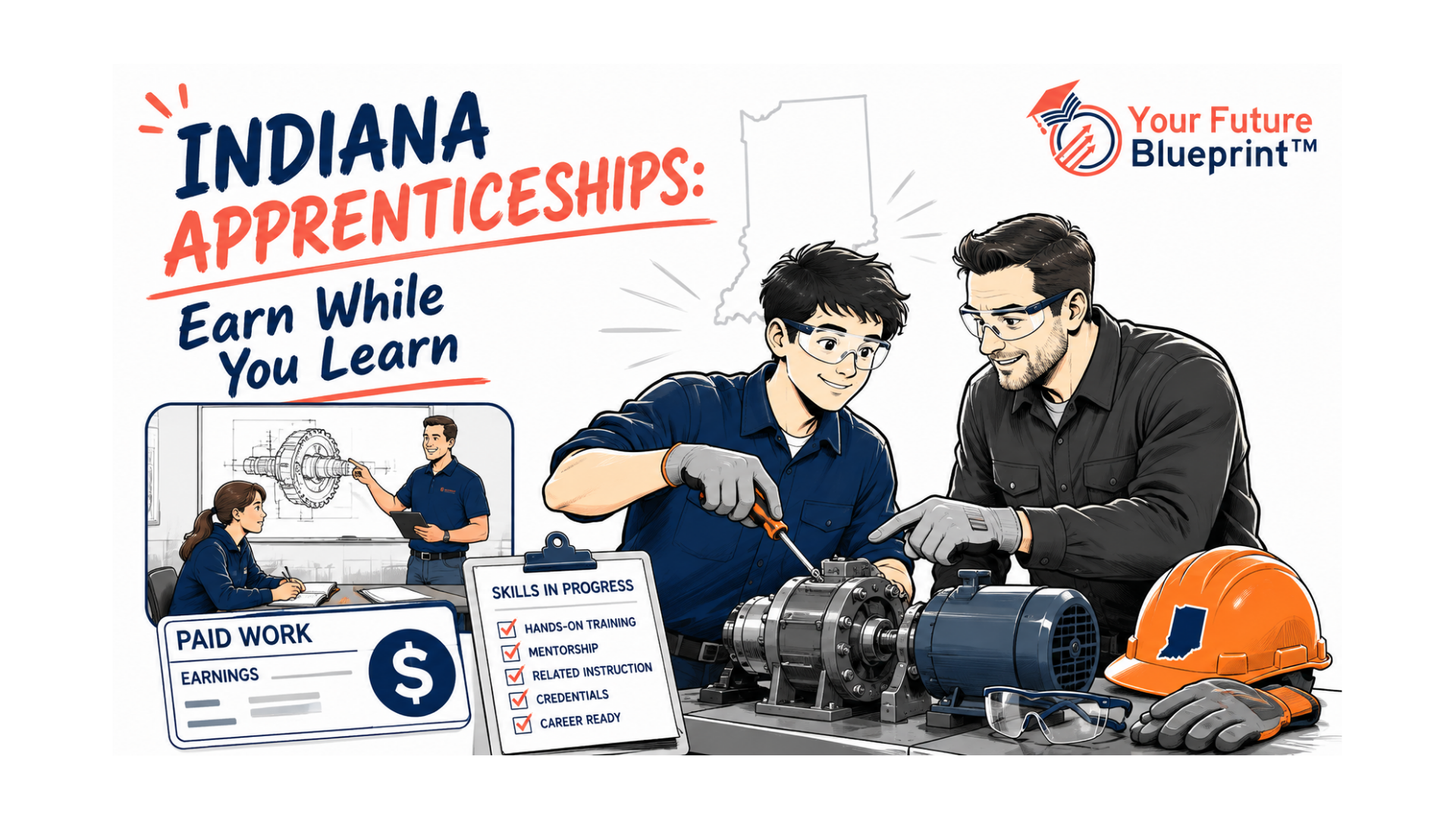
Apprenticeships
- Often three to five years
- Paid work experience while learning
- Mentorship from experienced professionals
- Industry-recognized credentials
Many trade careers also offer stackable credentials, allowing workers to build skills gradually while advancing their careers.
For students who enjoy practical learning, this approach can feel more engaging than a traditional classroom environment.
Understanding Return on Investment
Return on investment, or ROI, refers to the relationship between the cost of training and the financial benefits that follow.
While every situation is different, skilled trades often create strong ROI because:
- Training may cost less than a four-year degree
- Students may enter the workforce sooner
- Apprenticeships may provide income during training
- Demand for skilled workers remains strong in many regions
It is important to remember that salary outcomes vary based on location, specialization, certifications, experience, and local labor market conditions.
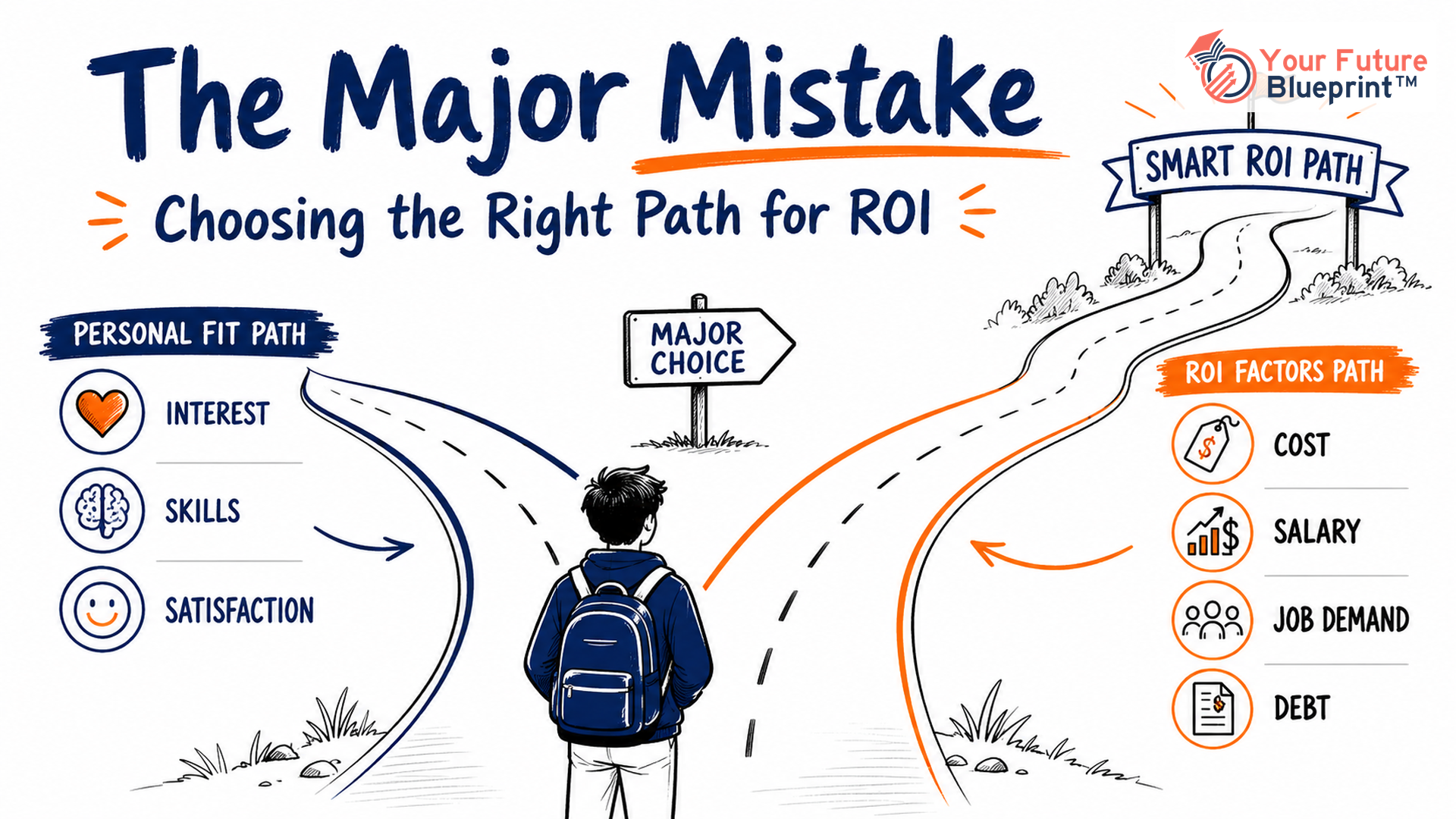
Rather than focusing only on starting salary, students should consider:
- Training costs
- Time required for training
- Potential debt
- Long-term earnings growth
- Job stability
- Career satisfaction
Examples of High-Value Skilled Trade Careers
Electricians install and maintain electrical systems in homes, businesses, and industrial facilities.
Plumbers work with water, drainage, and piping systems that communities rely on every day.
HVAC technicians help maintain comfortable and safe indoor environments through heating and cooling systems.
Automotive technicians diagnose and repair increasingly advanced vehicle technologies.
Welders support manufacturing, construction, transportation, and infrastructure projects.
Each of these careers offers different training requirements, work environments, and advancement opportunities.
High Demand and Workforce Needs
Many industries report ongoing shortages of skilled workers due to retirements and growing infrastructure needs.
This creates opportunities for new workers entering the field.
Demand levels vary by region, but many communities continue to seek qualified professionals in construction, manufacturing, utilities, transportation, and maintenance industries.
As always, students should research local labor market conditions and workforce trends before making career decisions.
Is a Skilled Trade Right for You?
A skilled trade may be worth exploring if you:
- Enjoy hands-on work
- Like solving practical problems
- Prefer learning by doing
- Want a faster path into the workforce
- Are interested in technical skills
- Value job stability and career growth
Not every student will find the right fit in a trade career, just as not every student will find the right fit in a traditional college pathway.
The goal is not choosing the most popular option. The goal is choosing the option that fits you.
How to Explore Opportunities Near You
Start by talking with:
- Your school counselor
- Career and technical education instructors
- Shop teachers
- Regional career centers
- Local apprenticeship programs
- Trade schools
- Workforce development organizations
You may also have access to:
- Dual-credit career programs
- Career exploration events
- Job shadowing opportunities
- Industry certifications
- Internship experiences
The earlier you begin exploring options, the more informed your decisions can become.
Official / Trusted Links
Bureau of Labor Statistics Occupational Outlook Handbook
Explore career duties, wages, training requirements, and employment outlooks.
Apprenticeship.gov
Learn about apprenticeship opportunities, training pathways, and workforce programs.
CareerOneStop
Access career exploration tools, training information, and labor market resources.
National Center for Education Statistics
Review education and workforce data.
Related Your Future Blueprint Resources
Related training track: Career Pathways & Exploration: Find Your Direction
Best Next Step
Identify one skilled trade that interests you. Spend 30 minutes researching the training pathway, certifications, local opportunities, and typical work environment. Then discuss what you learned with a parent, counselor, teacher, or trusted mentor to determine whether it might fit your goals.
Ready for the next step? Explore the recommended track for step-by-step guidance:
Counselor Share Note
This resource is intended to support career exploration discussions with students and families. Because training requirements, licensing rules, wages, and workforce needs vary by location, users should verify current information through official workforce agencies, apprenticeship programs, employers, and educational institutions.
Sources & References
Last Reviewed
June 2026
Disclaimer
This content is for general educational purposes only and does not constitute financial, legal, tax, academic advising, career counseling, or professional advice. Students and families should consult with school counselors, career center staff, apprenticeship coordinators, employers, workforce agencies, college representatives, or other trusted advisors before making final decisions.
View Transcript

Skilled Trades ROI: Your High-Value Path
More than half of students who go to college say they chose that path because it felt like the only option. While a four-year college degree can be an excellent choice, it is not the only route to a successful and rewarding career.
Skilled trades offer strong opportunities, practical skills, and the potential for a strong return on investment with less educational debt.
Skilled trades are hands-on careers that require specialized training and expertise. Examples include electricians, plumbers, HVAC technicians, automotive technicians, welders, carpenters, machinists, diesel mechanics, wind turbine technicians, lineworkers, and industrial electricians.
These careers help build, maintain, and improve the systems that communities rely on every day.
Trade training often takes less time than a traditional four-year degree. Vocational and trade schools may take six months to two years, while apprenticeships generally last three to five years and often provide paid training and mentorship.
Many skilled trades also offer stackable certifications that allow workers to continue building skills throughout their careers.
One reason many students consider skilled trades is the opportunity to begin earning income sooner. Lower training costs and earlier workforce entry can contribute to a strong return on investment.
Skilled trades remain in demand because experienced workers are retiring and many industries need new talent to replace them. These careers often require hands-on expertise that cannot easily be outsourced or automated.
A skilled trade may be a good fit if you enjoy hands-on work, solving practical problems, learning by doing, and building technical skills.
Students interested in exploring trade careers should talk with counselors, career center staff, shop teachers, apprenticeship programs, and local professionals to learn more about available opportunities.
College remains the right choice for many careers, especially those requiring advanced degrees. Skilled trades offer another valuable pathway that can provide meaningful work, strong earnings potential, and long-term career growth.
Explore every path available to you and choose the one that best aligns with your goals, strengths, and interests.