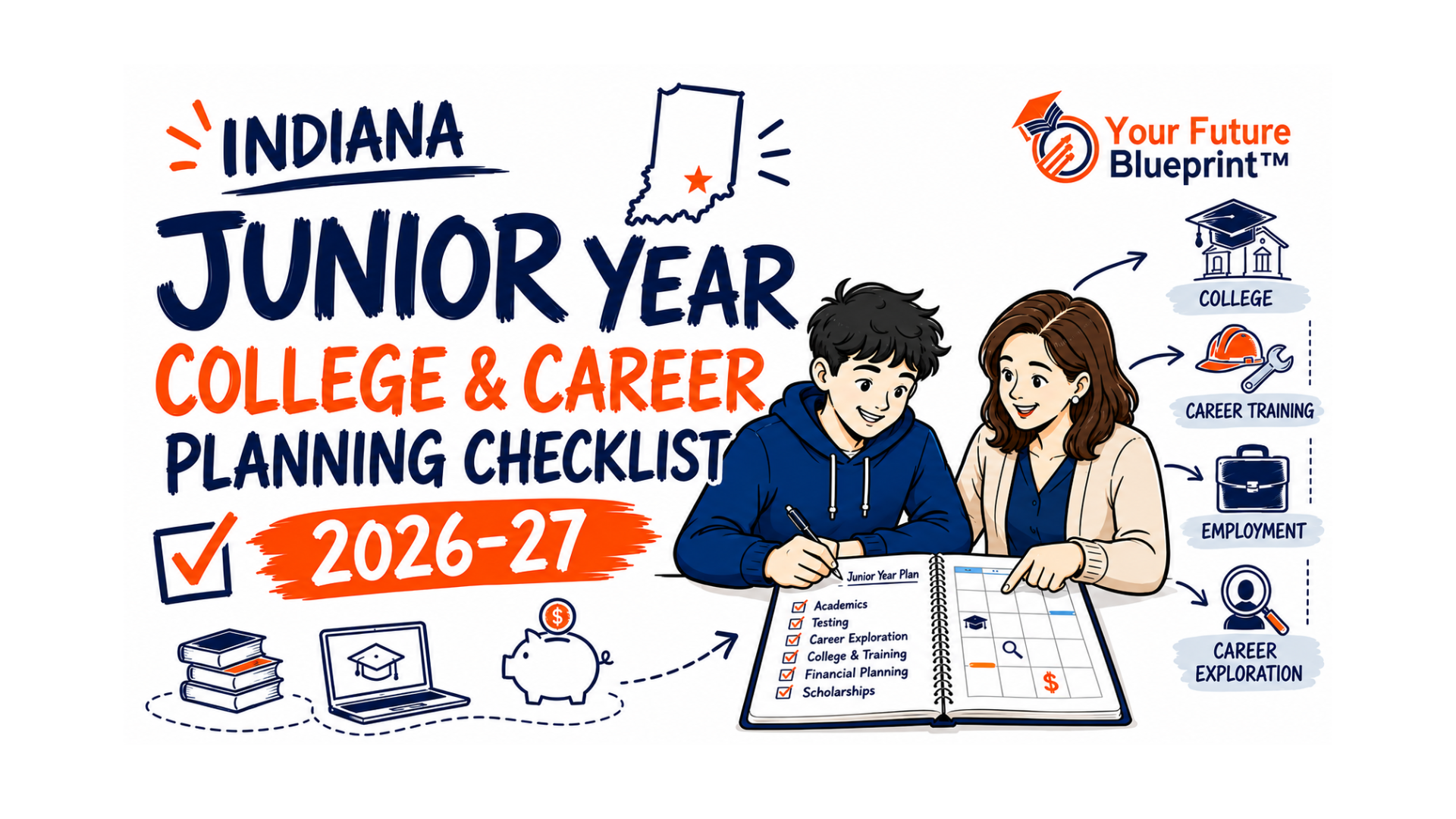
A Junior-Year College Planning Guide
Junior year is often the moment students realize that college and career decisions are getting closer.
Conversations about college planning, careers, testing, scholarships, and financial aid suddenly become more important. At the same time, many students still feel unsure about what they want, where they fit, or how the process actually works.
That uncertainty is completely normal.
The goal of junior year is not to have your entire future figured out. The goal is to begin building direction, confidence, and a realistic plan one step at a time.
For many students, this is the first year college planning starts to feel real. Good planning usually happens through small, consistent actions—not one perfect decision.
Quick Answer
Junior year is one of the most important times to begin serious college and career planning. Students can start by building a balanced college list, exploring financial aid options, preparing for standardized tests if needed, and tracking activities and achievements. Small, organized steps taken now can reduce stress and create more options later.
Key Takeaways
- Junior year often plays a major role in college admissions review.
- Students should build a balanced college list based on fit, cost, and goals—not only reputation.
- Test-optional policies vary by college and scholarship program.
- Financial planning conversations should begin before senior year whenever possible.
- Students do not need a perfect plan immediately to make meaningful progress.
Who This Is For
Students
Learn practical ways to organize your college planning process during junior year.
Parents
Understand how to support students through realistic planning conversations.
Counselors
Share a structured overview of junior-year planning priorities with students and families.
Why College Planning Can Feel Overwhelming
Many students feel pressure during junior year because several important decisions start happening at once:
- Testing
- Course selection
- Extracurricular planning
- Scholarship research
- Career exploration
Social media and peer comparisons can also make students feel like everyone else already has a perfect plan.
Most students do not.
Some students already know what career they want to pursue. Others are still exploring their interests, strengths, and goals. Both situations are normal.
Why Junior Year Matters
Colleges may closely review:
- Course rigor
- Grade trends
- Extracurricular involvement
- Leadership experiences
- Academic consistency
This does not mean one difficult semester defines your future. It simply means junior year can influence future opportunities.
Students may benefit from:
- Taking challenging but manageable courses
- Improving study habits
- Building stronger organization skills
- Asking for help earlier when struggling
Strong habits developed during junior year often carry into senior year, college, and future careers.
Build a Balanced College List
Students often hear these terms:
Reach Schools
Schools where admission may be more competitive.
Match Schools
Schools where academic qualifications align closely with admitted student averages.
Safety Schools
Schools where admission is considered more likely.
A balanced list may help students keep options open while reducing unnecessary stress later.
Important questions include:
- Does this school offer programs connected to my goals?
- Can I realistically afford this option?
- What support systems exist for students?
- What are the graduation outcomes?
- Would I feel comfortable in this environment?
Fit matters just as much as reputation.
What Colleges Actually Look For
Admissions offices often review:
- Course rigor
- Grade trends
- Leadership
- Writing
- Recommendations
- Consistency
- Growth
Students do not need to be perfect applicants. Colleges often value long-term growth and meaningful involvement more than trying to do everything at once.
SAT and ACT Planning
Many colleges now use test-optional admissions policies, meaning SAT or ACT scores may not be required.
Students may benefit from:
- Taking a practice SAT or ACT
- Learning each college's testing policy
- Planning future test dates early
Preparation does not always require expensive tutoring programs. Many students successfully prepare through free resources, school-based opportunities, study groups, and self-study plans.
Financial Aid Planning Tip
Start financial conversations earlier than you think.
Families can begin exploring:
- Scholarships
- Grants
- Work-Study Programs
- Student Loans
- Net Price Calculators
The goal is not to eliminate every financial concern immediately. The goal is to make informed decisions with better information before senior year.
College Planning and Career Planning Work Together
Students do not need to choose a lifelong career during junior year.
This is a good time to begin exploring:
- Industries
- Work environments
- Certifications
- Apprenticeships
- Two-year programs
- Military pathways
- Careers connected to personal interests and strengths
College planning becomes much more meaningful when students understand why they are pursuing a certain path.
Build an Activities Resume
Activities outside the classroom can help students develop valuable skills and experiences.
Examples include:
- Jobs
- Volunteer work
- Sports
- Clubs
- Leadership roles
- Caregiving responsibilities
- Internships
- Creative projects
Students do not need dozens of activities to appear successful.
Consistency, commitment, responsibility, and growth often matter more than trying to join everything.
Find Your Support Team
Helpful people may include:
- School counselors
- Teachers
- Parents or guardians
- Mentors
- Coaches
- Trusted community members
Students should not feel pressured to navigate every decision alone.
One Step at a Time
One of the biggest misconceptions about college planning is that students must immediately know exactly what they want to do.
In reality, many students continue exploring their goals throughout high school and college.
Progress often happens through:
- Researching options
- Asking questions
- Staying organized
- Learning over time
Students do not need a perfect plan today to build a strong future path.
Frequently Asked Questions
Is Junior Year the Most Important Year for College Admissions?
Junior year is often considered one of the most important academic years because colleges may closely review grades, course rigor, and involvement during this period. However, colleges typically review a student's overall academic journey—not one year alone.
Should Students Still Take the SAT or ACT if Colleges Are Test-Optional?
It depends on the college, scholarship opportunities, and the student's goals. Some students benefit from submitting strong scores, while others may choose not to if scores do not strengthen their application.
How Many Colleges Should Students Apply To?
Many students apply to a balanced list of approximately 8–12 schools, though the right number varies depending on goals, finances, and application strategy.
What if I Do Not Know What Career I Want Yet?
That is completely normal. Junior year is a time for exploration, not having every answer immediately.
What To Do Next
- Meet with a school counselor.
- Create an initial college list.
- Explore financial aid basics.
- Research testing policies.
- Begin tracking activities and achievements.
- Continue exploring career interests.
Official and Trusted Resources
Best Next Step
Choose one planning task to complete this week:
- Start a college list
- Take a practice SAT or ACT
- Meet with a counselor
- Begin tracking activities and achievements
Progress usually happens through consistent small actions—not one perfect decision.
Ready for the next step? Explore the recommended track for step-by-step guidance:
Counselor Share Note
This article is designed as a general educational resource for students and families beginning college planning during junior year. Families should continue working closely with school counselors, financial aid offices, admissions offices, and official program resources when making decisions.
Sources & References
Last Reviewed
May 2026 | Annual Review
Disclaimer
This content is for general educational purposes only and does not constitute financial, legal, admissions, or professional advising guidance. Students and families should consult school counselors, financial aid offices, admissions representatives, or trusted advisors before making final education decisions.


.png)