Skilled Trades & Apprenticeship Programs : Earn While You Learn
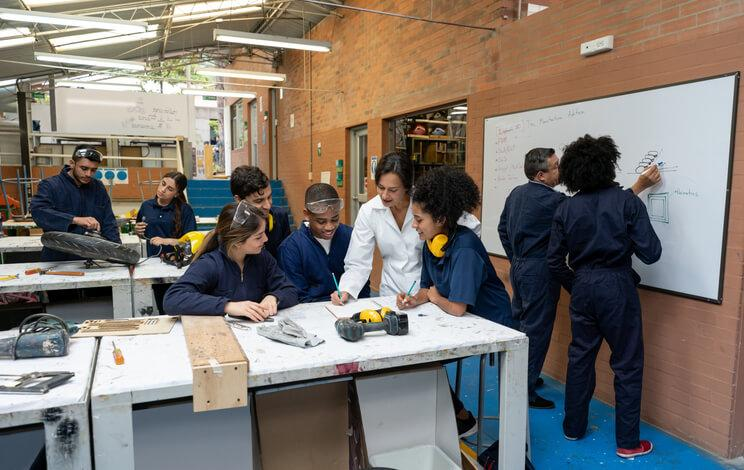
College is one path — but it is not the only path. This track helps students and families compare skilled trades, apprenticeships, community college, military service, certificates, direct employment, and other career options after high school.
The goal is not to push one path. The goal is to help you compare cost, training, daily work, earning potential, long-term fit, and your next step.
Free guest access — no account or credit card required
What You’ll Learn
Compare Your Options
College, trades, work, military, certificates, apprenticeships — understand the differences before choosing a path.
Explore Skilled Trades
Learn about electrician, plumbing, HVAC, welding, automotive, and advanced manufacturing careers.
Find Training That Fits
Compare trade school, apprenticeships, community college, short-term certificates, and workforce programs.
Understand Cost, Pay & ROI
Look beyond starting pay. Compare training cost, timeline, job demand, physical demands, and long-term earning potential.
Explore Other Career Pathways
Review military service, Guard/Reserves, bootcamps, certificates, community college, and direct employment options.
Build Your Next-Step Plan
Use checklists and resources to identify programs, ask better questions, and take one realistic action.
Preview lessons from the Skilled Trades, Apprenticeships & Career Pathways Track.
What You Get
Get practical videos, guides, and tools to help you understand your choices and decide what to do next.



Why Skilled Trades & Career Pathways Matter


How It Works
Watch short, practical lessons, explore your options, compare what matters, and use simple tools to confidently decide what to do next.

Step 1
Explore
Learn about skilled trades, apprenticeships, community college, military service, certificate programs, direct employment, and other career pathways.

Step 2
Compare
Compare training requirements, costs, earning potential, working conditions, and long-term opportunities to understand which options may be right for you.

Step 3
Plan
Use trusted resources, checklists, and state-specific guidance to research programs, prepare for your next move, and confidently get started.
Works on your phone, tablet, or computer. No account is required to watch.
Watch Short, Helpful Videos
Learn the essential topics, planning strategies, important decisions, and next steps through short, easy-to-follow lessons designed to help you prepare for your future.


Indiana Nontraditional Career (INCAP) Program
Learn how Indiana's INCAP program helps students explore high-demand, nontraditional careers through career awareness, technical education, and workforce preparation
Career Scholarships & Training Funding
Many students can reduce the cost of career training through scholarships, grants, apprenticeship funding, employer-sponsored programs, and workforce education assistance. Exploring your options early can make skilled trades and technical careers even more affordable.
Trade School vs. College: Which Path Is Right for You?
Both trade school and college can lead to successful careers. The best choice depends on your interests, career goals, preferred learning style, and financial situation.
Related Articles

FAQ


Explore Your Career Options with Confidence
Discover career pathways beyond a four-year degree with free lessons, planning tools, and trusted resources. No account or credit card required.
Free access • No account required