Choosing Your Path After High School
For many students, success after high school can take more than one form. While a four-year college degree remains an excellent option for many careers, skilled trades can also provide strong earnings, valuable skills, and long-term career opportunities. Understanding both pathways can help students make informed decisions about their future.
For years, many families have heard a familiar message: a four-year college degree is the primary path to career success. College remains an excellent option for many students, but it is not the only pathway worth exploring.
Indiana employers continue to need skilled workers in industries that build, maintain, repair, and support the systems people rely on every day. For some students, skilled trades may provide a faster, more affordable route to a rewarding career.
Reviewed for: 2026 Career Data Review
Last reviewed: June 2026 | Review type: Data-sensitive
What changed in this update:
- Career demand information was reviewed using current Indiana workforce resources.
- Salary examples may vary by employer, region, experience, certifications, and economic conditions.
- Students should verify current apprenticeship and training opportunities before making decisions.
Important: Career demand, wages, certifications, and workforce needs can change over time. Review current information through official workforce and education resources.
Quick Answer
A four-year degree is one pathway to career success, but it is not the only one. Skilled trades may offer shorter training timelines, lower education costs, paid apprenticeship opportunities, and strong workforce demand. The best choice depends on a student's goals, interests, learning style, and career plans.
Key Takeaways
- Skilled trades remain in demand across Indiana.
- Many trade careers require less upfront education cost than a traditional bachelor's degree.
- Apprenticeships often allow students to earn while they learn.
- Career success can come through multiple pathways, not just one.
- Students should compare training time, costs, earnings, and personal interests before choosing a path.
Who This Is For
Students: Explore alternatives to traditional four-year degree pathways.
Parents: Understand trade careers, training options, and ROI considerations.
Counselors: Share practical information about career exploration and workforce pathways.
Is a Four-Year Degree the Only Path?
College remains the right choice for many careers. Fields such as medicine, engineering, teaching, law, and many professional occupations often require a bachelor's degree or advanced education.
However, some students thrive in environments where learning happens through hands-on experience. Skilled trades provide opportunities to learn practical skills, solve real-world problems, and begin earning sooner than many traditional college pathways.
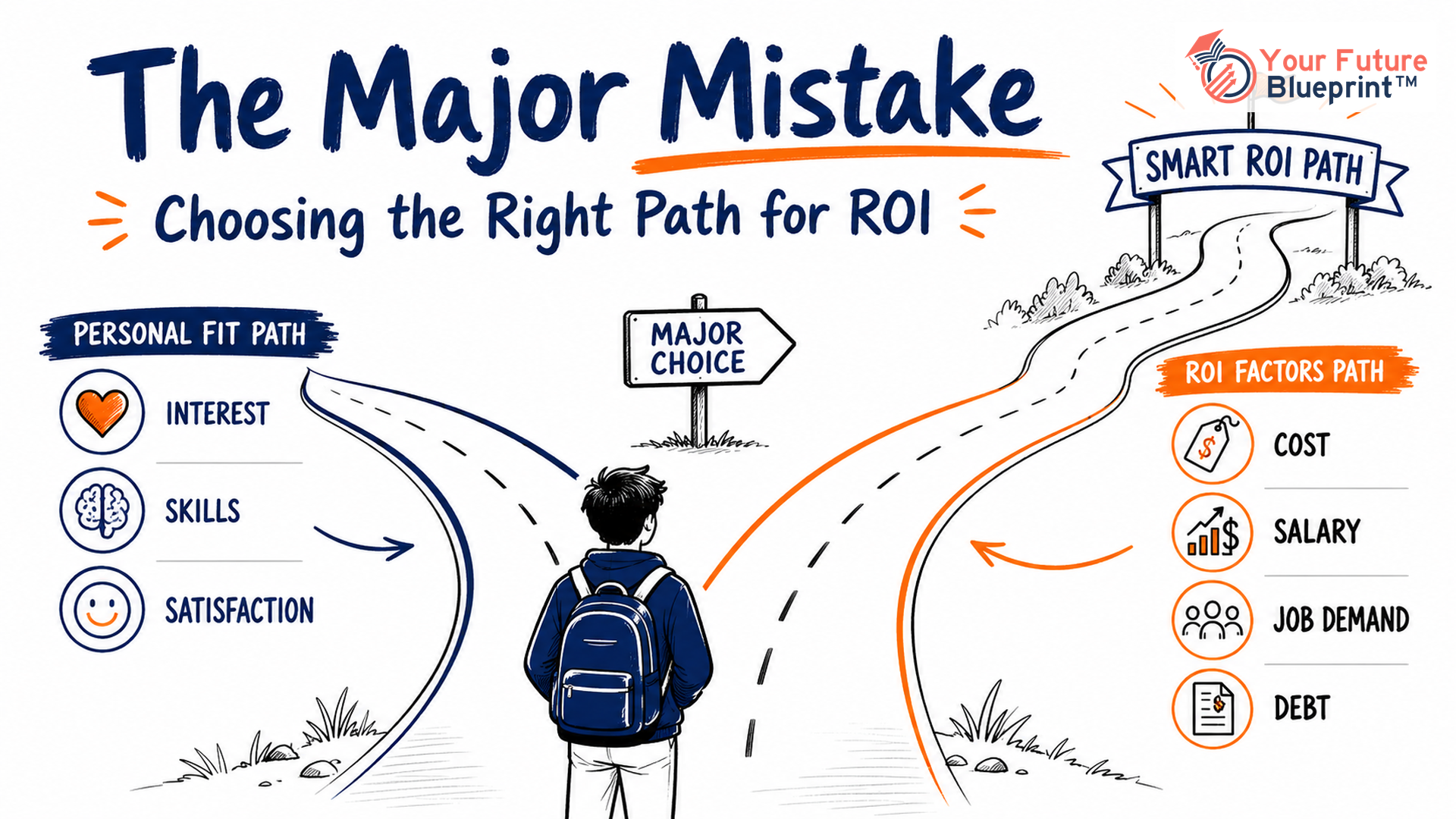
The goal is not choosing college versus trades. The goal is choosing the pathway that best fits the student's goals.
What Are Skilled Trades?
Skilled trades are careers that require specialized technical knowledge and practical training.
These careers often involve:
- Building
- Repairing
- Installing
- Maintaining
- Operating equipment and systems
Examples include:
- Electricians
- Plumbers
- HVAC Technicians
- Automotive Technicians
- Welders
- Carpenters
- CNC Machinists
These professionals help keep homes, businesses, schools, hospitals, transportation systems, and manufacturing facilities running.
Why Skilled Trades Matter in Indiana
Indiana's economy relies heavily on manufacturing, construction, transportation, infrastructure, logistics, and technical industries.
As experienced workers retire, many employers continue searching for trained professionals to fill critical positions.
For students interested in practical work, technical skills, and hands-on problem solving, skilled trades may offer meaningful opportunities for long-term employment and career growth.
Hands-On Careers with Strong ROI
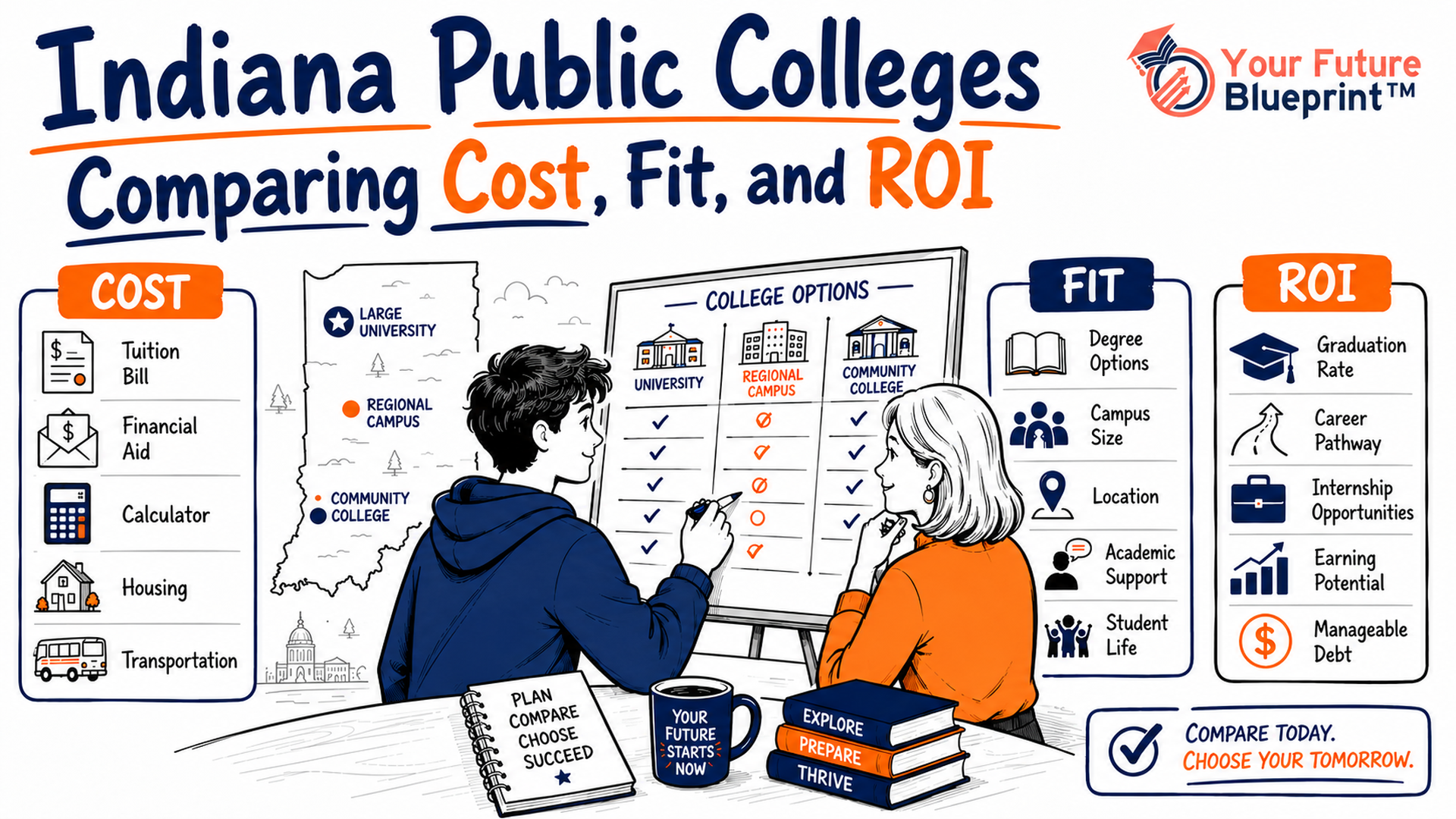
ROI stands for Return on Investment.
When evaluating education and career pathways, ROI considers:
- Training costs
- Time required to complete training
- Starting earnings
- Long-term earning potential
- Student debt obligations
A career with strong ROI may allow a student to recover education expenses more quickly while generating meaningful income over time.
While earnings vary significantly by industry, region, employer, certifications, and experience, many skilled trade careers can provide competitive wages and advancement opportunities.
Faster Training and Earlier Workforce Entry
One reason many students explore trade careers is the training timeline.
Traditional bachelor's degree programs often require approximately four years of full-time study.
Trade pathways may include:
- Career and Technical Education (CTE) programs
- Vocational schools
- Technical colleges
- Industry certifications
- Apprenticeships
Some training programs can be completed in months rather than years. Apprenticeships may last several years but often provide paid work experience throughout the training process.
This can allow students to begin earning income while developing skills valued by employers.
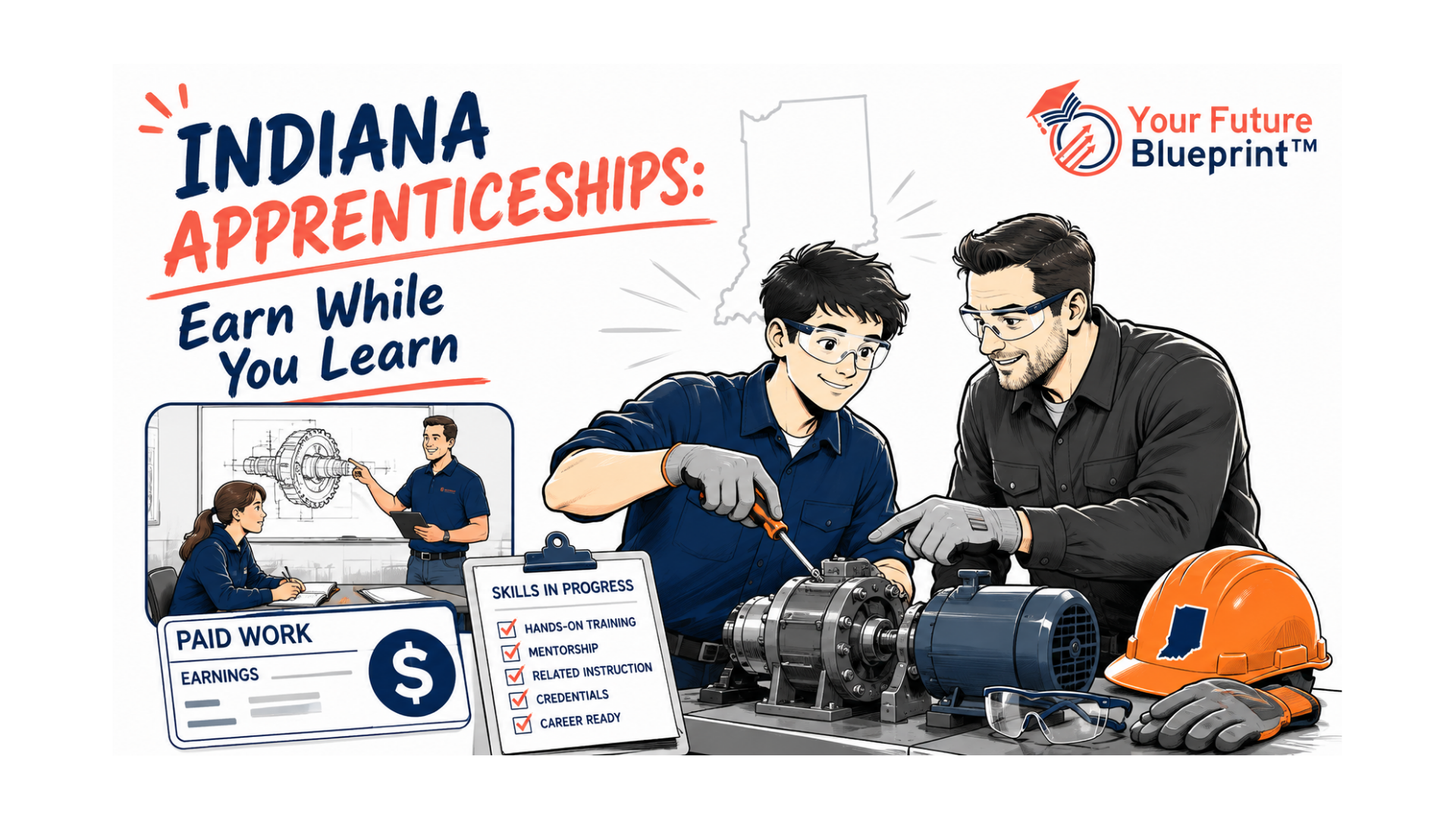
The Importance of Apprenticeships
Apprenticeships combine classroom instruction with paid on-the-job training.
Benefits may include:
- Earning while learning
- Industry-recognized credentials
- Real-world experience
- Reduced education costs
- Direct connections with employers
For many students, apprenticeships provide a structured pathway from training into long-term employment.
Job Security and Workforce Demand
Many skilled trade careers support essential services that communities rely on every day.
Electricity, plumbing, heating, cooling, manufacturing equipment, transportation systems, and infrastructure all require trained professionals.
Because these services remain important regardless of economic conditions, many trade occupations offer stable career opportunities over time.
Could a Trade Be a Smart Fit for You?
A skilled trade may be worth exploring if you:
- Learn best through hands-on experience
- Enjoy building or fixing things
- Like solving practical problems
- Prefer active work environments
- Want to enter the workforce sooner
- Enjoy technical or mechanical systems
Students do not need to decide immediately. Career exploration is part of the process.
Consider speaking with:
- School counselors
- Career and Technical Education instructors
- Local employers
- Apprenticeship coordinators
- Community colleges
- Technical training programs
What To Do Next
- Explore local Career and Technical Education (CTE) programs.
- Research Indiana apprenticeship opportunities.
- Compare training costs and timelines.
- Review workforce demand information.
- Discuss options with counselors, teachers, and trusted adults.
Official / Trusted Links
Indiana Department of Workforce Development
Use this resource for Indiana workforce information, training opportunities, and labor market data.
Indiana Career Explorer
Use this tool to explore careers, wages, education requirements, and workforce trends.
Indiana Commission for Higher Education
Use this resource for Indiana education planning and postsecondary pathways.
U.S. Bureau of Labor Statistics Occupational Outlook Handbook
Use this resource to research careers, job outlooks, education requirements, and salary information.
Related Your Future Blueprint Resources
Related training track: Regional Career Centers & CTE Pathways in Indiana
Best Next Step
Choose one trade career that interests you and research the training requirements, earning potential, and local opportunities. Then compare it to a college pathway you are considering. Understanding both options can help you make a more informed decision.
Ready for the next step? Explore the recommended track for step-by-step guidance:
Counselor Share Note
This article is intended to support career exploration conversations among students, families, and school staff. It should be used alongside local workforce information, counseling guidance, and current training program details.
Sources & References
Last Reviewed
June 2026
Disclaimer
This content is for general educational purposes only and does not constitute financial, legal, tax, academic advising, or professional career advice. Students and families should consult with school counselors, training providers, employers, financial aid offices, college representatives, or trusted advisors before making final decisions.
View Transcript

College or Trade? High-Paying Skilled Careers in Indiana
Maybe you've been told the only way to succeed is through a four-year college degree. While college remains an excellent option for many students, it is not the only path to success.
Highly skilled trades offer strong earning potential, meaningful work, and significant return on investment, often with less debt and shorter training timelines.
Skilled trades include careers such as electricians, plumbers, HVAC technicians, automotive technicians, welders, carpenters, and CNC machinists. These professionals help build and maintain the systems people rely on every day.
Trade training is often faster and more affordable than a traditional bachelor's degree. Some vocational programs can be completed in as little as six months, while apprenticeships typically last three to five years and often provide paid training.
Many graduates begin earning income sooner and can enter the workforce more quickly.
When considering education pathways, it is important to evaluate return on investment. Skilled trades can offer strong earning opportunities while reducing the amount of debt some students may accumulate through longer educational pathways.
Indiana continues to have demand for skilled workers. As experienced professionals retire, employers continue searching for trained workers to fill important positions.
Skilled trades may be a good fit for students who enjoy hands-on learning, solving practical problems, and working in technical environments.
Explore Career and Technical Education programs, apprenticeship opportunities, and local training options. Talk with your school counselor, teachers, and professionals in the field.
College is the right path for many careers. Skilled trades are another valuable option. The goal is not choosing the path others expect. The goal is choosing the path that best fits your future.
Explore every pathway. Build skills. Make informed decisions. Create a future you can be proud of.