Indiana Apprenticeships: How Students Can Earn While They Learn
For some Indiana students, the next step after high school does not have to begin with choosing between a full-time job and full-time college. Apprenticeship can combine paid employment with structured training, classroom instruction, and mentorship, allowing a student to build skills while earning wages.
That does not make apprenticeship the right path for everyone. Programs vary by occupation, employer, schedule, eligibility requirements, and length. The useful question is whether a specific program connects the student to work they want to do and provides training and credentials that support longer-term goals.
What Is a Registered Apprenticeship?
A Registered Apprenticeship Program, often called a RAP, is a structured career pathway approved through the U.S. Department of Labor or an authorized registration agency. Apprentices are employees, not unpaid observers. They receive paid work experience, learn from experienced workers, complete related instruction, and earn wage increases as their skills and productivity grow.
Successful completers receive a nationally recognized apprenticeship credential. Indiana’s Apprenticeship Indiana program describes Registered Apprenticeships as combining hands-on experience, classroom education, and mentorship, with opportunities available across industries such as advanced manufacturing, agriculture, building and construction, health and life sciences, information technology and business services, and transportation and logistics.
What Does “Earn While You Learn” Actually Mean?
In a Registered Apprenticeship, the job and the training are connected. The apprentice earns wages while completing structured on-the-job learning. Related instruction may happen through an employer, training center, community college, technical school, or another approved provider, depending on the program.
The wage is not necessarily the same across occupations or employers. Students should ask for the starting wage, how increases are earned, expected weekly hours, training schedule, and whether any classroom costs are paid by the employer or apprentice.
This matters because “paid training” can mean different things in different programs. Do not assume a social media post or job advertisement is a Registered Apprenticeship simply because it uses the word apprentice.
Indiana Also Uses State Earn and Learn Programs
Indiana’s State Earn and Learn, or SEAL, programs are state-certified work-based learning programs supported by the Indiana Department of Workforce Development. SEAL participants are paid employees who combine workplace learning with related classroom instruction and industry-recognized credentials.
Current Indiana standards call for at least 200 hours of structured workplace learning and at least 40 hours of related instruction. The state also requires an ending wage of at least $15 per hour and higher than the starting wage. College credit is often available, but students should verify whether a particular program awards it and how that credit would transfer.
SEALs and Registered Apprenticeships are not identical. A student should ask exactly which type of program is being offered and what credential is earned at completion.
Why Students Consider Apprenticeship
The attraction is not only the paycheck. Apprenticeship can give students:
- Real workplace experience before committing to a long education pathway
- Structured mentoring instead of learning a job entirely on their own
- Skills tied directly to an occupation
- A recognized credential
- A way to build earnings while training
- A clearer view of whether the career fits
Those advantages are meaningful only when the program itself is a strong match.
For a high school student, timing also matters. Some opportunities can begin before graduation through school, career center, employer, or local workforce partnerships, while others are designed for applicants who have already graduated. Availability is not the same in every Indiana community. Students should confirm age requirements, work schedules, transportation needs, and school-day expectations with the program sponsor and their school counselor before making a commitment.
How Students Can Find an Apprenticeship
Start with the occupation, not with the word apprenticeship. A student interested in health care, construction, advanced manufacturing, information technology, transportation, education, or another field should first identify a few occupations.
Then look for programs connected to those occupations. Apprenticeship.gov allows career seekers to search opportunities and apply directly with the employer or program sponsor. Indiana’s Apprenticeship Indiana resources can also help students connect with local education providers and workforce organizations.
A school counselor or local workforce office may know about opportunities not obvious from a job search.
Questions to Ask Before Applying
An opportunity should be understandable before the student commits. Ask:
- Is this a Registered Apprenticeship, a SEAL, or another type of work-based learning?
- Who is the employer or program sponsor?
- Is the position paid, and what is the starting wage?
- How and when can the wage increase?
- How many work and classroom hours are required?
- What credential will I earn?
- Is college credit available, and which institution awards it?
- Who pays for tuition, books, tools, uniforms, testing, or equipment?
- What happens if I leave before completing the program?
- What job opportunities usually follow completion?
Students should verify age, education, testing, licensing, physical, transportation, and background-check requirements with the sponsor. Requirements can differ by occupation.
Compare the Full Path, Not Just Starting Pay
An apprenticeship can look attractive because wages begin during training, but starting pay alone is not enough for a career decision.
Compare the program’s wage progression, length, credential, benefits, advancement opportunities, and education requirements. Ask what workers typically do after completing the apprenticeship and whether the credential can travel with the student to another employer or location.
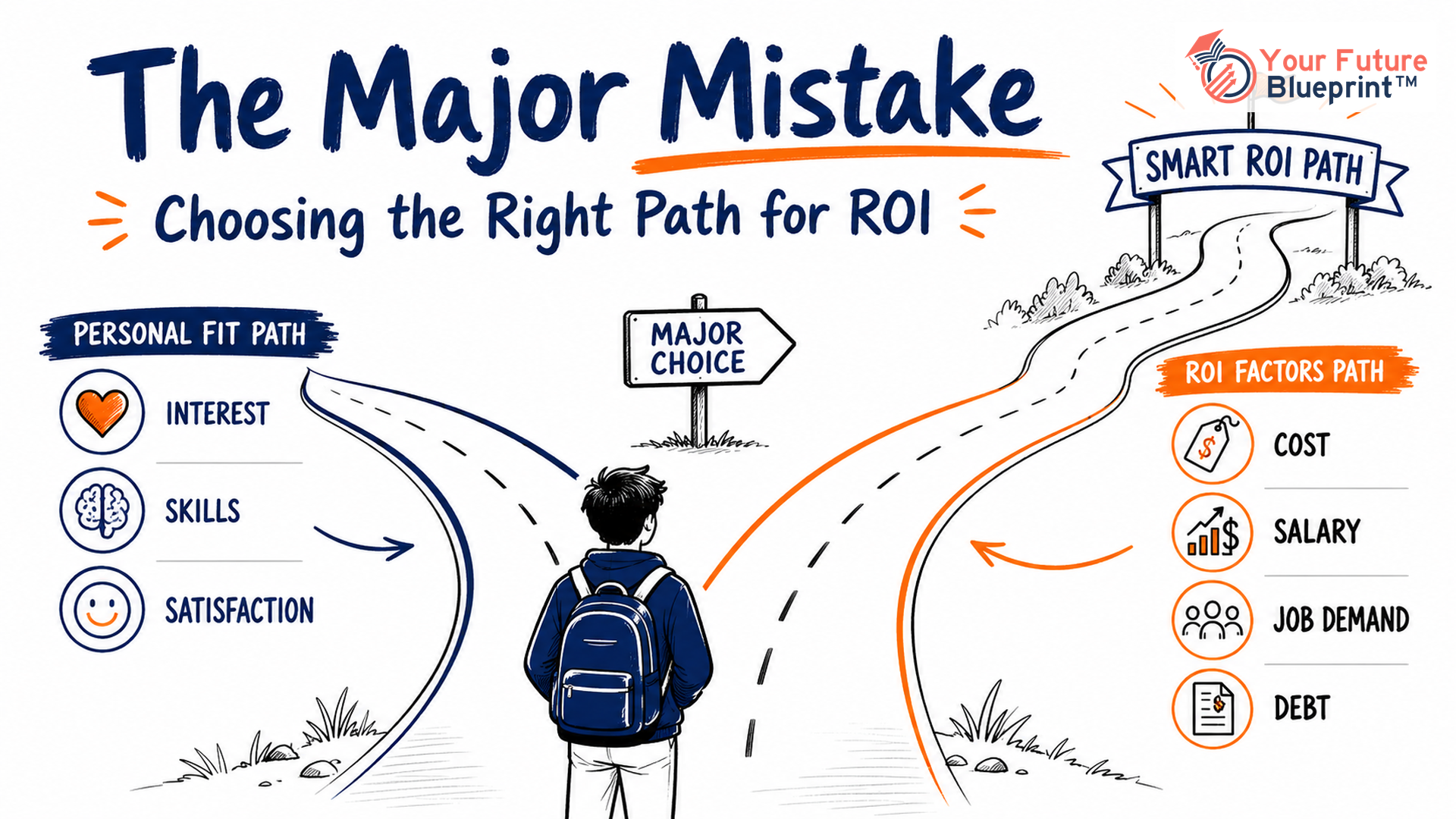
Also compare alternatives. A community college certificate, associate degree, four-year degree, military pathway, direct-entry job, or other training program may fit the student better.
An apprenticeship does not mean college is unnecessary. Some programs include related instruction through colleges, and students may pursue additional education. The better question is how much education the occupation requires and how the apprenticeship fits into that sequence.
Watch for Common Misunderstandings
First, apprenticeship is broader than the skilled construction trades. Indiana identifies opportunities in manufacturing, agriculture, health and life sciences, information technology, business services, transportation, logistics, and other sectors.
Second, not every internship is an apprenticeship. Registered Apprenticeships include paid employment, structured learning, mentorship, related instruction, progressive wages, and a recognized credential.
Third, “earn while you learn” does not mean every cost disappears. Transportation, tools, clothing, fees, or education expenses may still apply. Ask before enrolling.
Finally, completing a program does not guarantee lifetime employment, a particular salary, or automatic advancement. Outcomes depend on the occupation, employer, local labor market, performance, and future choices.
A Practical Next Step
Students who are curious do not need to commit immediately. Choose two or three occupations, search for apprenticeship programs in Indiana, and compare what each one offers.
Bring the information to a counselor, parent, career adviser, or trusted teacher. Check the sponsor, wage structure, training plan, credential, costs, and schedule.
An apprenticeship is strongest when the student understands both sides of the arrangement: the employer is paying for productive work while providing structured training, and the apprentice is taking on real job responsibilities while developing skills.
For the right student and occupation, that structure can create a practical bridge from school into a career. The goal is not to choose apprenticeship because it sounds faster or cheaper than college. It is to choose a verified pathway because the training, work, credential, and long-term direction make sense together.
More Indiana Career & Apprenticeship Resources
If you are comparing apprenticeships, skilled trades, technical training, and other career pathways, explore the Skilled Trades, Apprenticeships & Career Pathways Track for step-by-step guidance on evaluating training options, credentials, costs, and career opportunities.
For broader Indiana-specific guidance on graduation, college, career, financial aid, and postsecondary planning, visit the Indiana Graduation, College & Career Planning Track.
Before searching for an apprenticeship, students can use How to Use Indiana Career Explorer to identify occupations that match their interests, skills, and goals.
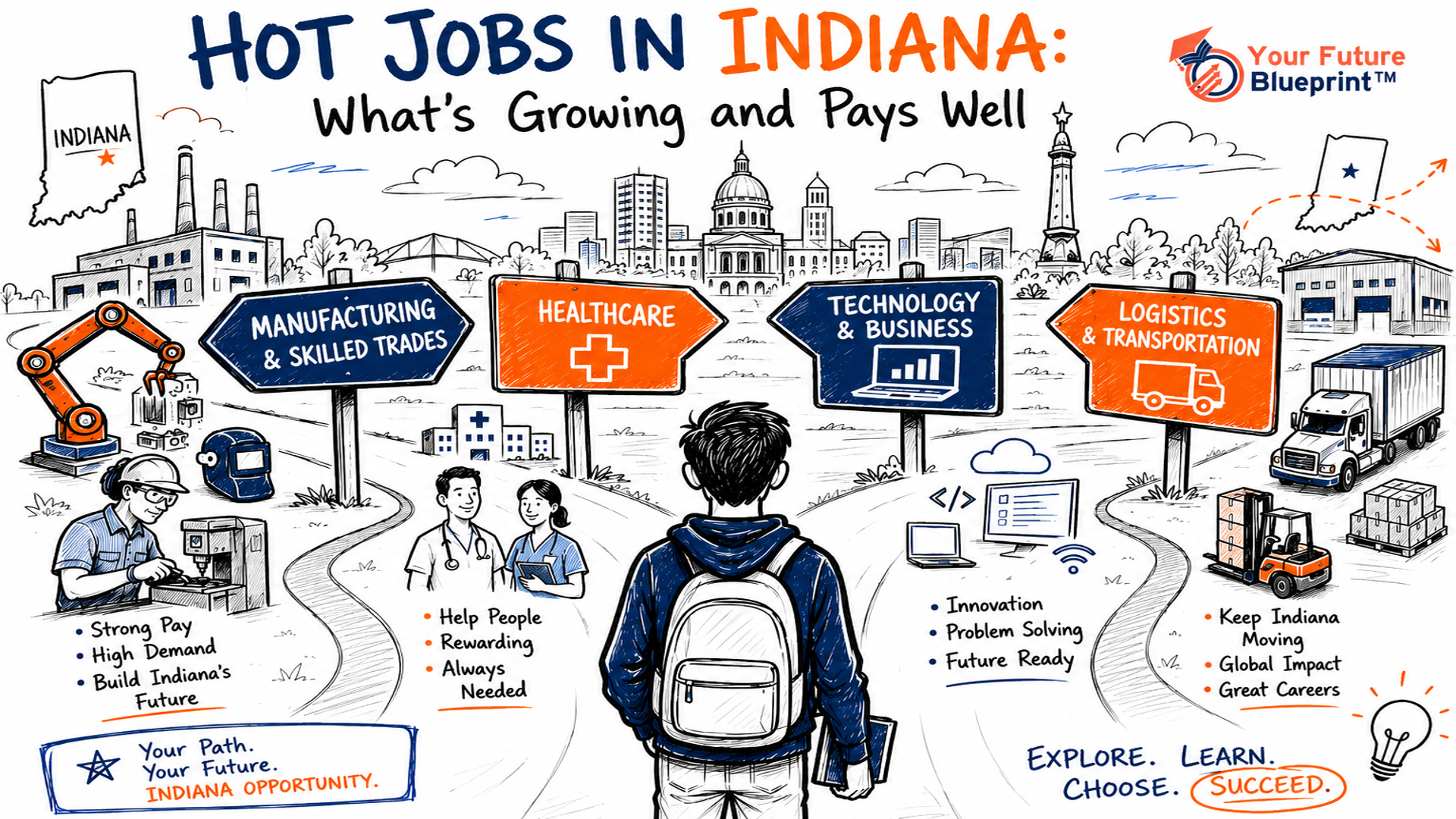
Students should also compare local employment demand before choosing a pathway. See Hot Jobs in Indiana: What’s Growing and Pays Well for help researching Indiana career opportunities.
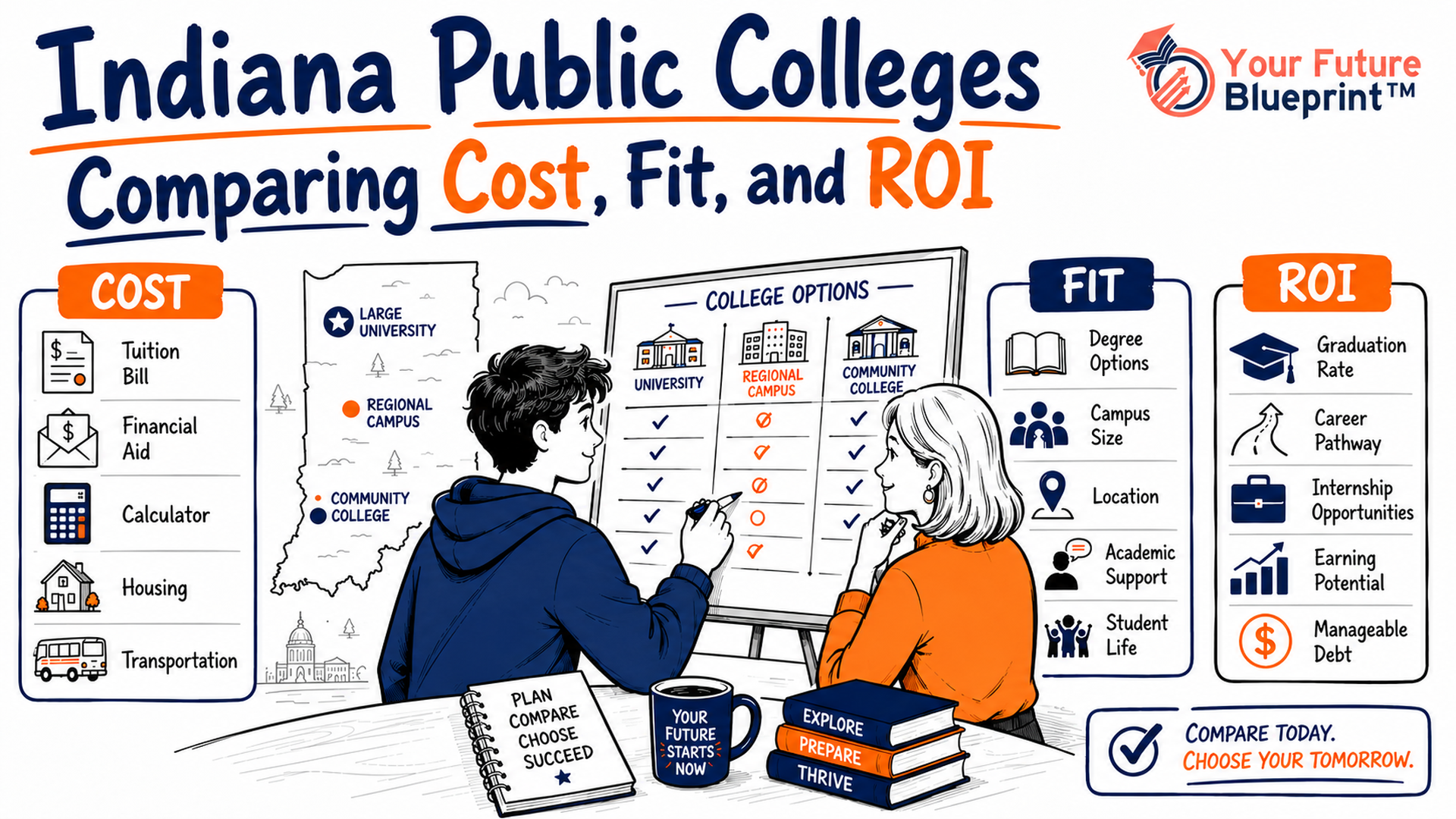
To compare apprenticeship with college, certificates, and other education pathways, read ROI: Real Costs, Real Careers and look at cost, training time, earnings, credentials, and long-term career value.
Official Links
Indiana Department of Workforce Development - Apprenticeship Indiana
Explains Indiana Registered Apprenticeships, major benefits, industries offering apprenticeship pathways, and options for job seekers.
Indiana Department of Workforce Development - Indiana SEAL Programs
Explains Indiana’s SEAL model, including paid employment, required workplace and classroom learning, wage standards, and credential requirements.
U.S. Department of Labor - Apprenticeship.gov Career Seekers
Provides official information about Registered Apprenticeship and allows career seekers to search for opportunities and apply through employers or program sponsors.
Last Reviewed: September 2026
Review Cycle: Annual — Review Indiana apprenticeship and SEAL standards
Disclaimer: This article provides general educational information about apprenticeship and work-based learning opportunities in Indiana. Program availability, wages, eligibility requirements, schedules, credentials, costs, college credit, and employment conditions vary by employer, occupation, sponsor, school, and location and may change. Confirm current details directly with the apprenticeship sponsor, Indiana Department of Workforce Development, school counselor, or appropriate education and workforce provider before making enrollment or career decisions.