Indiana College vs. Trade School: Comparing Cost, Earnings and Career Paths
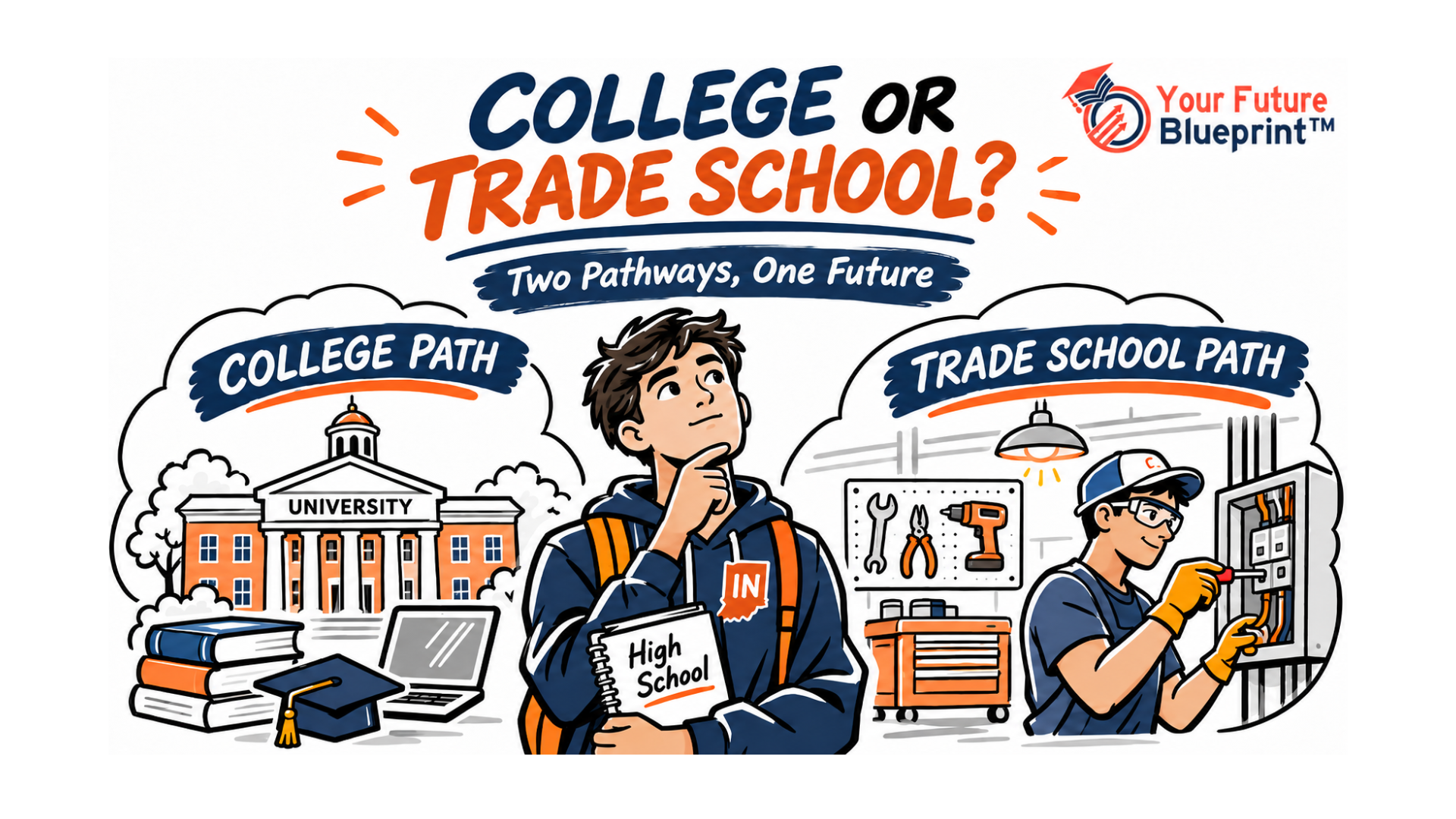
Choosing between college and trade school in Indiana is less about which option sounds more impressive and more about what the student wants to do. A career in electrical work may have a different training route than software development or dental hygiene. The most useful comparison starts with a specific occupation, then looks at the credentials, cost, earnings, and everyday work involved.
A shorter program is not automatically the better bargain. A four-year degree is not automatically the better investment, either. Indiana students have several routes worth examining before making that decision.
Know What Each Pathway Actually Provides
A four-year college or university typically offers bachelor's degrees and broader coursework within a major. Some occupations commonly require that degree; others do not. Graduation can also open doors to graduate study, although an additional credential may still be needed for certain jobs.
Community colleges can offer associate degrees, technical certificates, and other career-focused programs. In Indiana, Ivy Tech Community College offers both degree and certificate options, making the choice more flexible than a simple "college versus trades" comparison suggests.
Trade or technical schools generally focus on occupational skills, but programs differ considerably. One may award a certificate; another may prepare students for an industry examination or state license. Completing training and becoming licensed are not always the same step.
Registered apprenticeships offer another route For a deeper look at how paid training works in Indiana, see Indiana Apprenticeships: How Students Can Earn While They Learn. Apprentices hold paid jobs while receiving supervised workplace training and related classroom instruction. They are worth investigating for students who prefer learning while working, though admission, availability, and training length depend on the sponsor.
The first question should therefore be: What credential do employers or licensing authorities expect for the occupation I want? Ask programs to identify that credential in writing.
Compare the Total Cost, Not Just Tuition
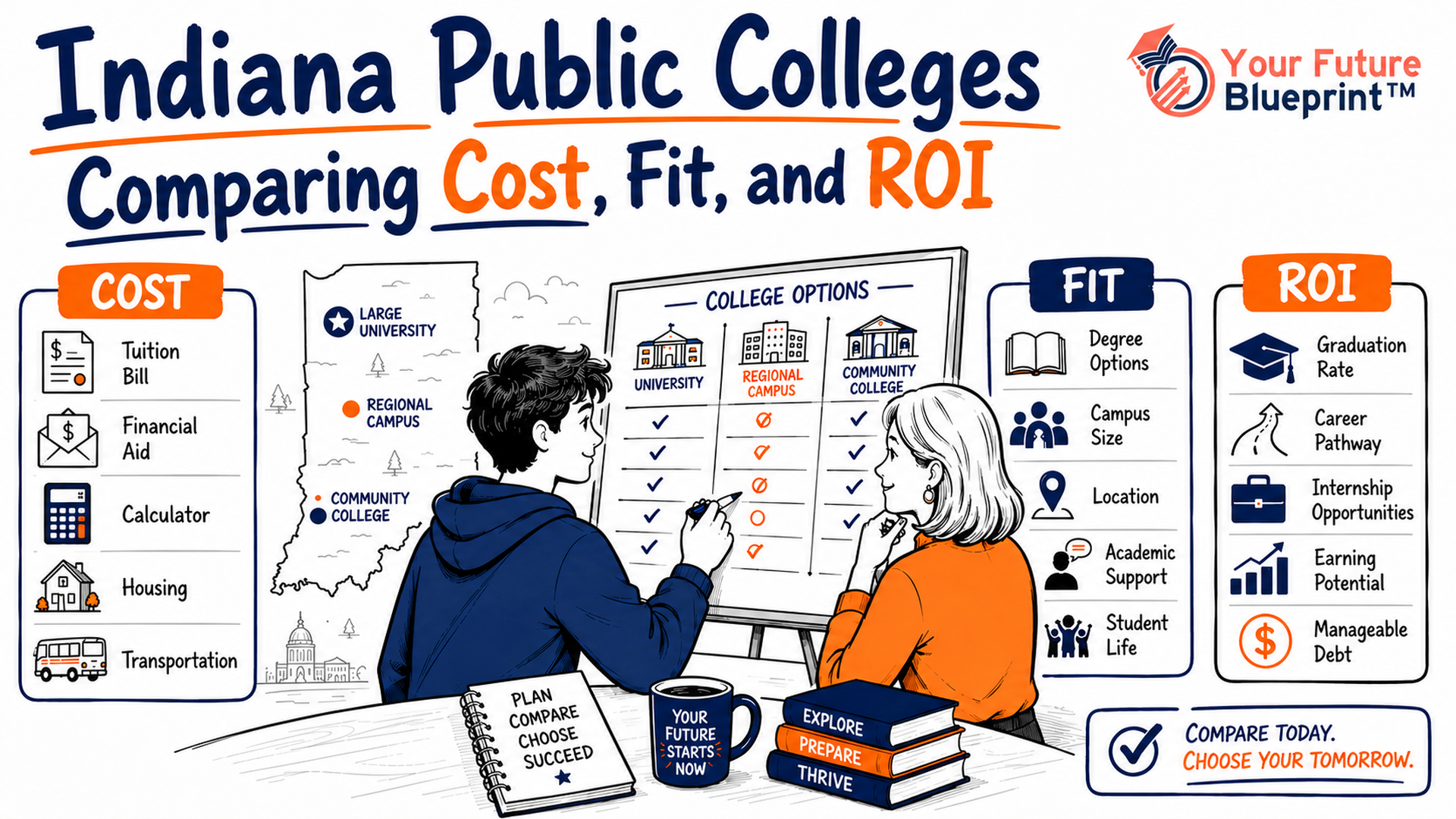
School advertisements often emphasize tuition. Families should look at the cost of attendance: tuition, mandatory fees, books, equipment, transportation, and living expenses during training. A shorter program can still carry substantial equipment or certification expenses. A longer program may have more grant aid than its advertised price suggests.
Ivy Tech provides a useful Indiana example, not a price estimate for every school. For the 2026–27 academic year, its published Indiana-resident tuition is $2,577.11 per semester for full-time students or $178.38 per credit hour for part-time students. Additional course and program charges may apply. Its estimated full-time annual cost of attendance for Indiana residents is $23,288, including living and personal expenses. That figure is not simply a tuition bill, and individual budgets can differ.
When comparing programs, write down:
- Tuition and required fees for the entire credential, not merely one term.
- Supplies, tools, uniforms, examinations, licensing fees, and transportation.
- Expected completion time and whether work hours or commuting affect the schedule.
- Grants and scholarships, followed separately by any loans that must be repaid.
The net price is the estimated cost of attendance minus grants and scholarships. Loans can help pay a bill, but they do not reduce the underlying cost. Compare actual aid offers when available; before then, use each institution's official cost and net-price information.
Check Financial Aid for Both Routes
The Free Application for Federal Student Aid (FAFSA) is not only for four-year colleges. Federal aid can also be available at eligible community colleges and career or trade schools, but both the institution and the particular program must meet applicable requirements.
Indiana's Next Level Jobs Workforce Ready Grant may cover tuition and fees for qualifying certificates at approved providers. Eligibility depends on factors such as residency, prior education, and the chosen program. The state advises applicants to ask the training provider whether a FAFSA is required for their specific route. Do not assume every trade program qualifies or that funding covers tools and living costs.
Before eliminating an option as too expensive, request a program-specific estimate from its financial aid office.
Compare Earnings by Occupation, Not School Label
Broad claims about earnings overlook differences between jobs, experience levels, and regions.
The U.S. Bureau of Labor Statistics reports the following national median annual wages for May 2025: $63,190 for electricians, $61,010 for heating, air conditioning, and refrigeration mechanics and installers, and $98,100 for dental hygienists. These occupations use different routes: many electricians complete apprenticeships, heating and cooling technicians commonly complete postsecondary technical training, and dental hygienists typically need an associate degree plus licensure.
These are medians across workers in each occupation, not starting salaries, Indiana-specific pay, or promises of future income. Experience, location, overtime, licensing, and employer can change what an individual earns.
For an Indiana perspective, use the state's Top Jobs resource to examine regional demand and wage information. The Bureau of Labor Statistics' Occupational Outlook Handbook adds education requirements, job duties, and national employment projections. Check both before interpreting any salary figure.
Look Beyond First-Year Pay
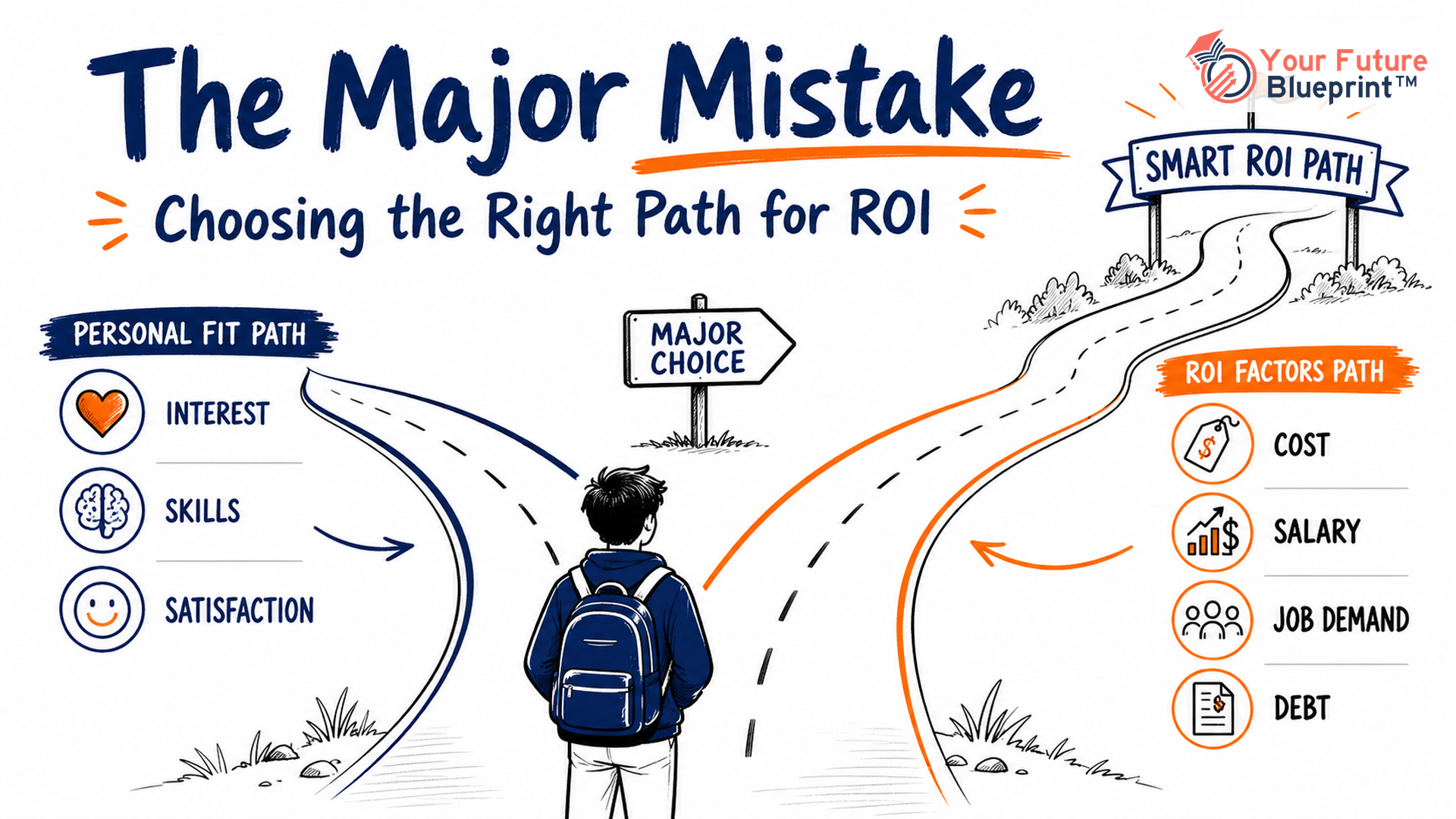
Earnings are only part of the return on education. Completion, employment, and advancement also matter. For a broader framework, see College ROI: How to Compare Cost, Career Outcomes & Value for additional ways to compare the long-term value of education and career pathways.
Ask the institution for recent program-level completion and employment results, including how those figures were calculated. For a licensed occupation, ask about exam pass rates, approval status, and any additional steps required to practice. When comparing colleges, the federal College Scorecard provides information on cost, completion, debt, and earnings, although data may be limited for some programs.
An apprenticeship may provide paid experience sooner, while a degree may support later career moves. Certificates and associate degrees can also be starting points, but transfer credit is not guaranteed.
If continuing education is possible, check transfer arrangements before enrolling. Indiana College Core provides a transferable block of 30 general-education credit hours among Indiana public colleges and universities, but completing a technical certificate does not automatically mean every course will apply to a future degree. The receiving institution should confirm how each credit fits the intended major.
Match the Pathway to the Student and the Work
Fit matters alongside wages. A student drawn to hands-on mechanical work may prefer technical training. A career requiring a bachelor's degree calls for a different plan.
Compare the campus experience, laboratory practice, paid learning, and schedules. Work and family responsibilities may affect what is realistic.
For example, a student interested in heating and cooling could compare a certificate with employer-sponsored training. A future dental hygienist should investigate accredited programs, clinical placements, and Indiana licensing. Different careers require different checklists.
Undecided students can explore without committing. Indiana Career Explorer connects interests and work values with possible careers.
For a broader comparison of college, trade school, and apprenticeship pathways—including cost, financial aid, training requirements, earnings, and career fit—see Indiana College vs. Trade School: Comparing Cost, Earnings and Career Paths.
Questions Worth Asking Before Enrolling
Ask each program:
- What exact credential will I receive, and will it qualify me for the occupation or license I want?
- What is the full cost through completion, and which expenses are not covered by financial aid?
- How long do students actually take to finish, and what happens if required courses are unavailable?
- What completion, employment, or licensing outcomes can the school document?
- Will employers recognize this training, and will credits transfer if I continue studying?
Check any employment guarantee or earnings claim with the school, licensing body, and employers.
Make a Comparison You Can Act On
Choose two or three occupations of interest, then identify Indiana training options. Compare complete costs, likely aid, credentials, training time, and local demand. Ask a counselor to clarify missing information, and speak with workers about the job.
College, technical training, and apprenticeships can all lead to worthwhile futures. The best decision is the one supported by verified costs, realistic career expectations, and a learning path the student can complete. Explore college, career, and skilled-trades resources as a starting point, then confirm the details directly with the programs under consideration.
Official Links and Sources
Ivy Tech Community College - Tuition & Fees
Provides current tuition rates and fee information for Indiana students comparing certificate, associate degree, and other college programs.
Indiana Department of Workforce Development - Next Level Jobs
Explains eligibility and available tuition-and-fee assistance for qualifying career and technical training programs in Indiana.
Indiana Department of Workforce Development - Top Jobs
Helps students compare Indiana occupations using career demand, wage information, and educational requirements.
U.S. Bureau of Labor Statistics - Occupational Outlook Handbook
Provides occupation-specific median earnings, educational requirements, job responsibilities, and employment projections to help students compare potential career outcomes.
Last Reviewed: November 2026
Review Cycle: Every 6 months, or sooner if Indiana tuition rates, financial aid programs, workforce grants, or career earnings data change.
Disclaimer
This article provides general educational and career-planning information. Tuition, training costs, financial aid eligibility, licensing requirements, and employment opportunities may change or vary by institution and program. Earnings data represent occupational averages or medians, not guaranteed individual outcomes. Confirm current information with the appropriate school, training provider, financial aid office, licensing agency, or school counselor before making enrollment or financial decisions.